
The Leader of Cambridgeshire County Council, former MEP Cllr Lucy Nethsingha (LibDems – Newnham) speaks out on Gove’s plan for our city
She was quoted in New Civil Engineer magazine here.
What’s also been noticeable is the number of Artificial-Intelligence-Generated images (in particular this thread from Create Streets) doing the rounds that have resulted various talking/tweeting heads assuming that this is what a new quarter in Cambridge will look like.
Quite understandably, some of you have picked up on the credentials of Create Streets.
…and noting that the CPS is part of the #TuftonStreetMassiv
…which reminded me of an earlier blogpost I wrote on trying to avoid the artificially-conflated culture wars in the debate about nice buildings and attractive urban environments that people would choose to be in. In particular I don’t like the linking the design of an old building to the Establishment political culture of the time ***as an excuse to bring back controversial policies from those eras***. Think of all of the debates around the politics of Empire and colonialism – and what more recent historical studies revealing new or forgotten evidence have shown, forcing us to reassess previous narratives. Such as the huge variety of nationalities represented on the HMS Victory at the Battle of Trafalgar – including sailors from Jamaica, Continental Europe, Africa, and India. In 1805. Which amongst other things shows how embedded colonialism had become.
One of the things Create Streets is doing is putting out a series of publications contributing towards the debates on the future of our towns and cities – such as this video on What Makes for Happy Places? It’s worth watching – with a critical eye in mind. See also their publication Of Streets and Squares. There are many things that might resonate with you – they did with me, in particular on gentle density.
The concept became well known from the work of Brent Todarian, and a number of researchers have started looking into the concept of the ‘missing middle’ – something that will be familiar to those of you living in towns and cities with interwar and post-war housing estates.
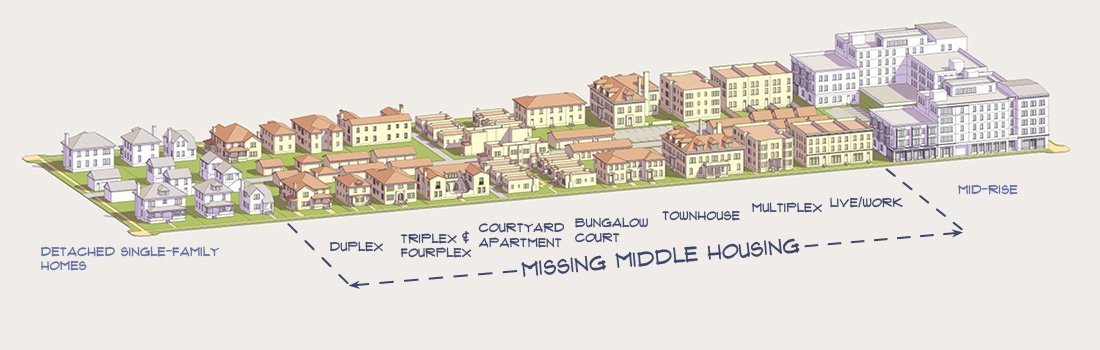
Above – from the Sprawl Repair Manual
One interesting case study comes from Belfast.
“The Gentle Densities report aims to investigate the potential of delivering mixed use and mixed tenure housing in Belfast through mid density interventions. In this report we explore the unsustainable nature of private high rise/high density proposals and public low rise current and future sprawl. We therefore propose an alternative model of mid density that could be more environmentally and socially sustainable by reducing travel distances and concentrating services close to housing areas through mixed use.”
Agustina Martire, Anna Skoura, (2021) Queen’s University Belfast
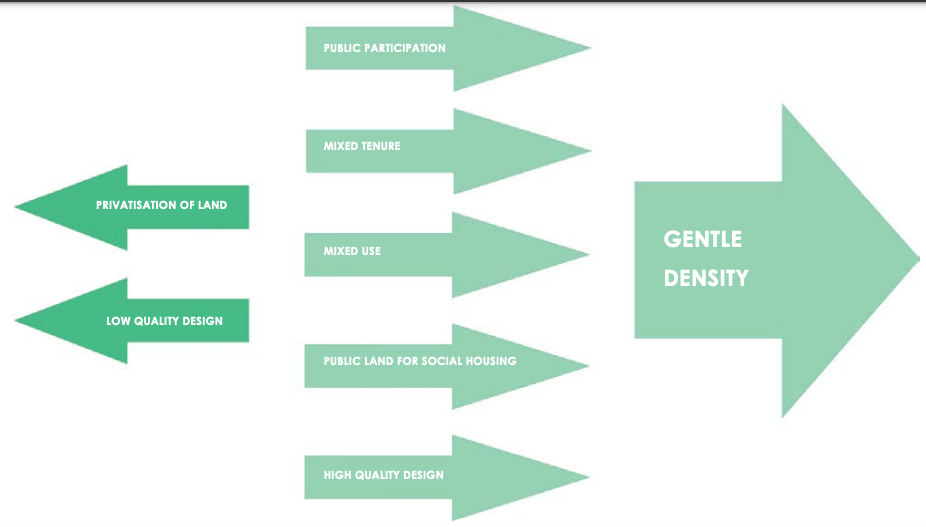
Martire and Skoura also look at land ownership. That’s not to say using public land and having engaging public participation methods is a guarantee of interesting design and urban environments. Just look the Iron Works development in Cambridge off Mill Road, which I consider a great opportunity for a really inspiring and imaginative architecture, unique public art, and outstanding urban design, squandered.

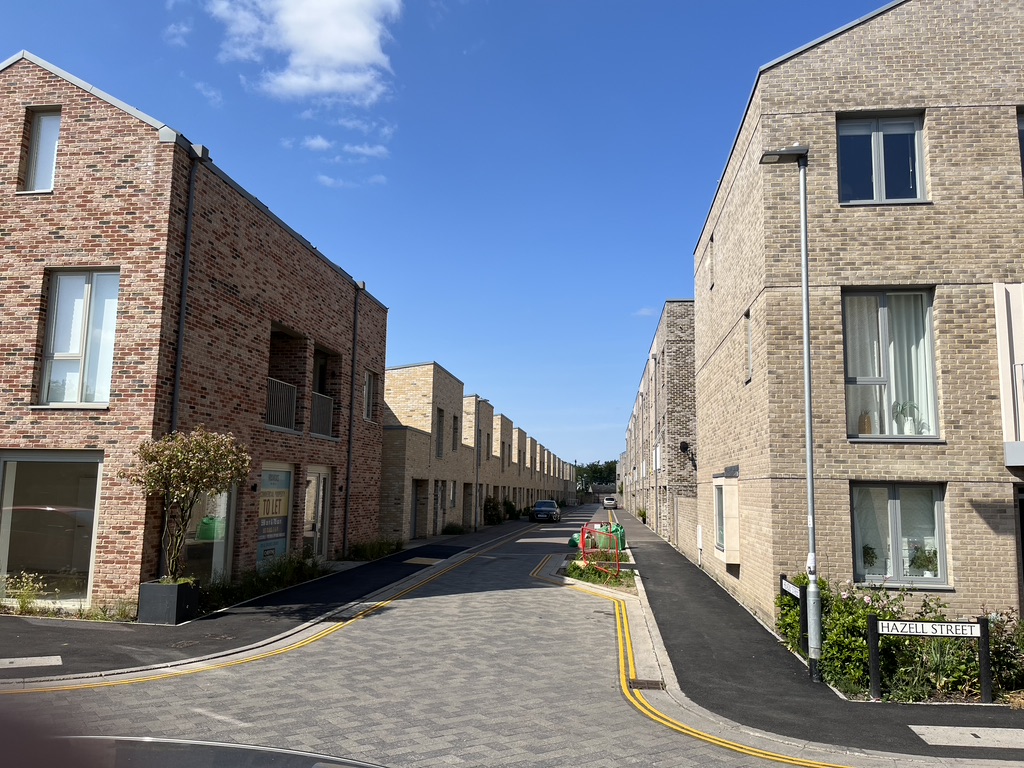
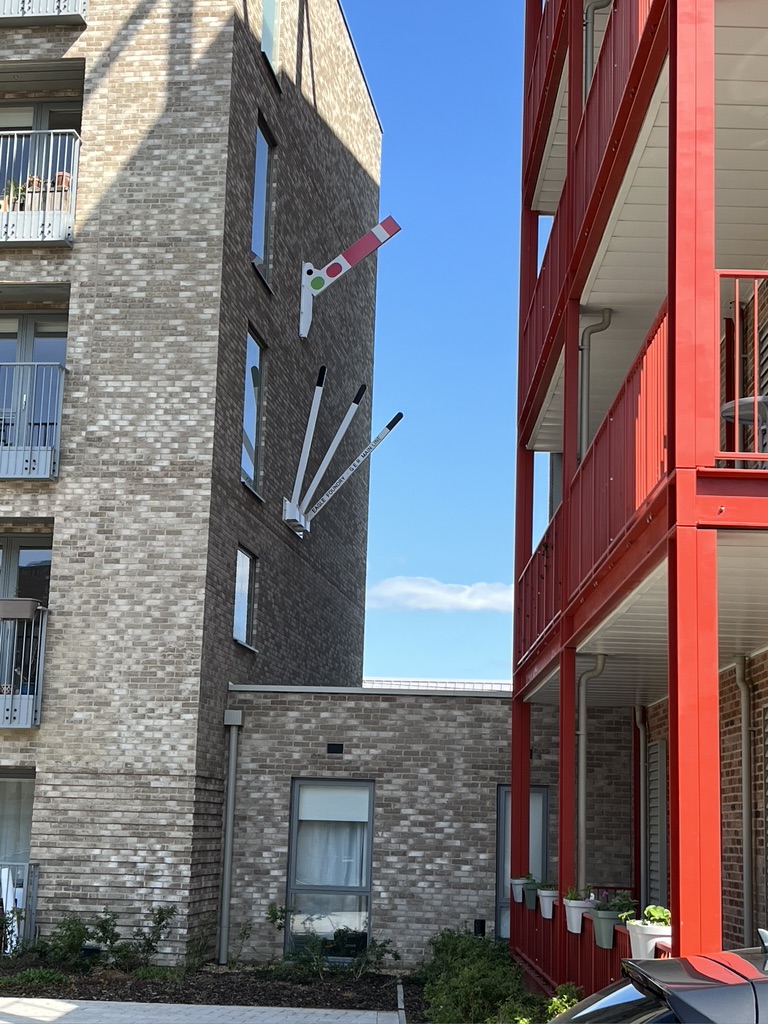
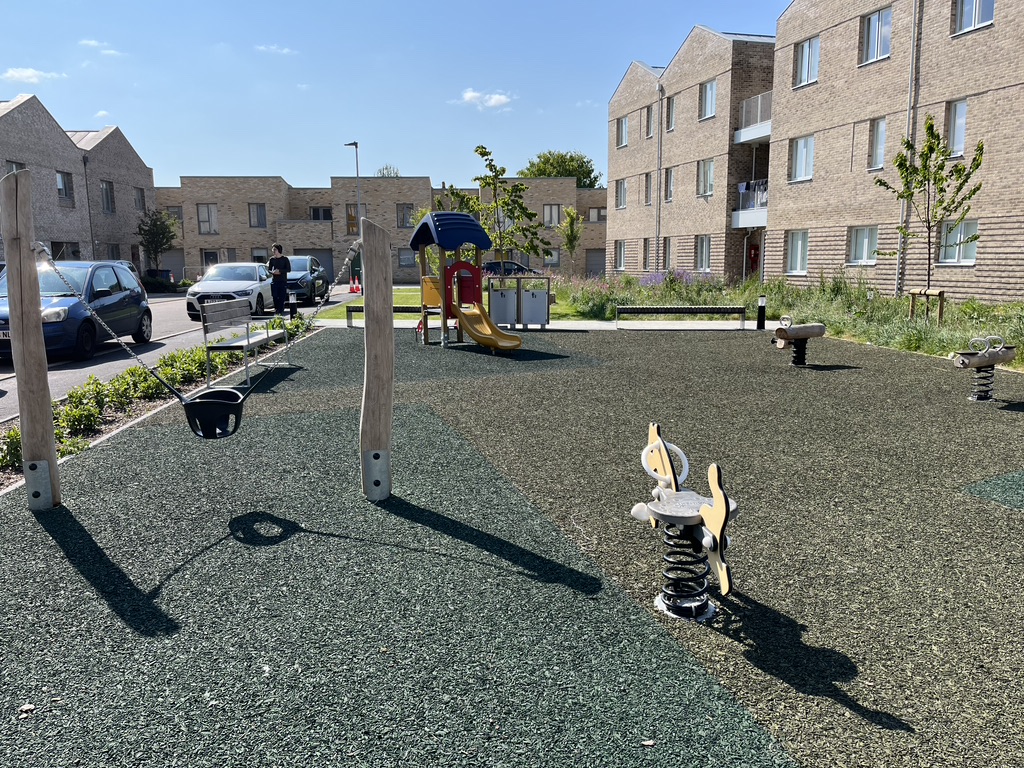

Above – from The Ironworks round the back of the old Mill Road Library (Photos – Antony Carpen 04 June 2023).
Basically I think the residents deserve better. Our city deserves better.
Furthermore, I don’t consider the new community hall they built as being large enough to meet the needs not just of the people living in the new homes, but of the surrounding neighbourhoods too. Again, it reflects a pattern of under-provision of community facilities that, after so many years and case studies can only point to a broken system.
***But Gove said he wants a concert hall!***
Let’s read the full quotation.
“And in the wider region, we could support some of our most remarkable nature reserves, such as Wicken Fen, with what could become a new National Park. Finally, we can envisage new centres for culture – perhaps a natural history museum, or a genuinely world-class concert hall – proudly taking their place alongside some of Cambridge’s existing institutions such as the Fitzwilliam and the Scott Polar.”
Secretary of State Gove, 24 July 2023 Transcript of Speech
Sounds like someone has been reading my blog!
Note the sleight-of-wording:
“We can envisage…” is not the same as “I would like…” which is definitely not the same as “We will fund, build, and open…” or “We will provide the city council with the necessary legal and revenue-raising powers to fund, build, and open…”
So be ***very careful*** about taking as given what the Secretary of State says. Judge ministers by their results, not their statements. ‘Deeds, not words’ as some campaigners from a previous era of our city’s history might have said.
In fact, the need for a new very large concert hall was identified by Cambridge City Council’s Architect & Chief Town Planner Gordon Logie in the 1960s
You can read my summary of the plans here – scroll halfway down. This reminds me of the era in the 1960s when lots of people who didn’t live in Cambridge but either once studied there or had a relative who did, had ideas on what the future of our city should be.
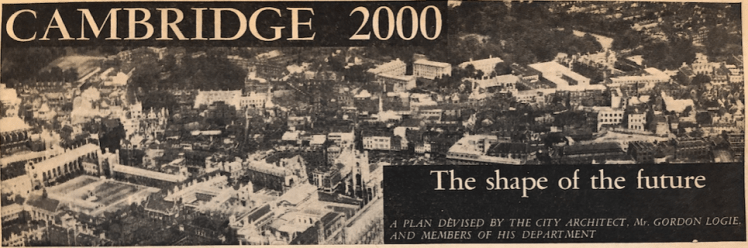
Ultimately we didn’t get it because central government would not sanction the borrowing needed to fund it.
Even though in my opinion the then Vice-Chancellor Sir Ivor Jennings committed Cambridge University to fund half of the costs back in 1962.
“So…what is beautiful enough for Cambridge given that we have some idea of what isn’t?” (i.e. Eddington)
Eddington isn’t just ugly for its buildings, it’s also ugly because the University authorities secured an exemption from a Planning Inspector from the legal requirement to enable social housing and council housing to be built on the site. Thus creating an exclusive university enclave in the most unequal city in the country whose civic leaders are desperately trying to make our city more inclusive with such limited powers and funding.
To be honest I struggle to think of a single building in a single setting in Cambridge in whose presence I am happy to just be in. Which saddens me.
I can think of past buildings that were demolished or allowed to degrade – or that were never built. I can think of buildings that could have been renovated and upgraded. But I cannot for the life of me think of any place where I would want to go regularly and routinely that is also accessible to the general public, is affordable, doesn’t have issues with anti-social behaviour (in part a reflection of austerity imposed on local government) where I could catch a bus to, and spend an afternoon reading a book.
I’ve been through the picture library containing images from some of my past blogposts which show details of some of the things I quite like. But none of them (even the unexecuted ones) quite hit the mark.


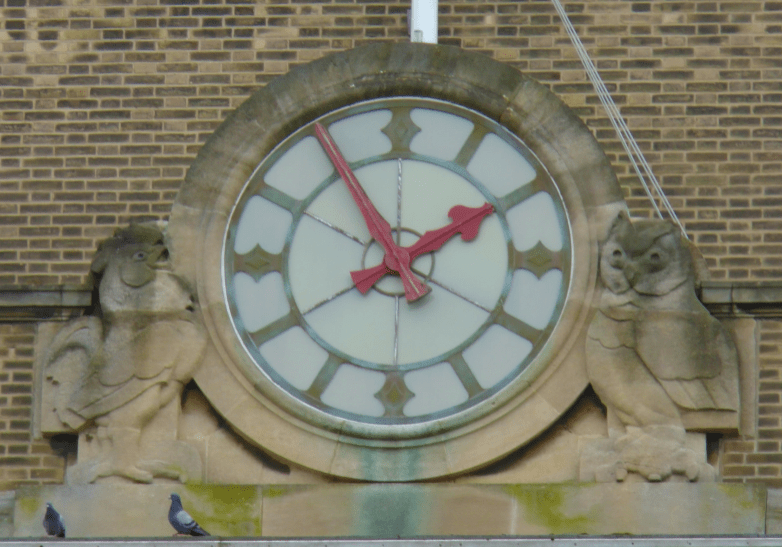

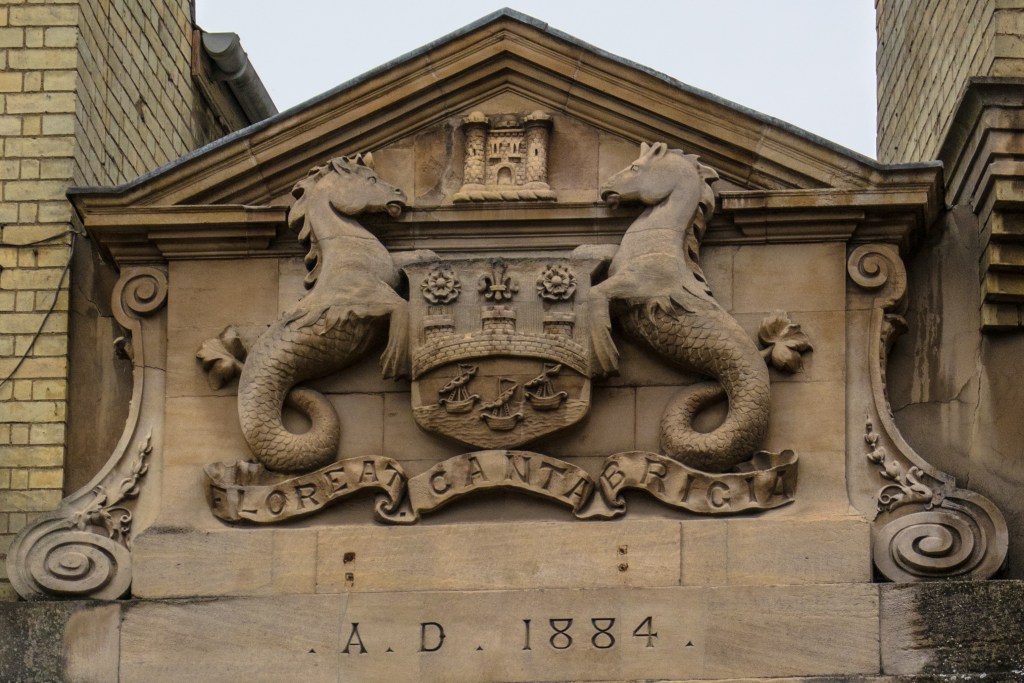
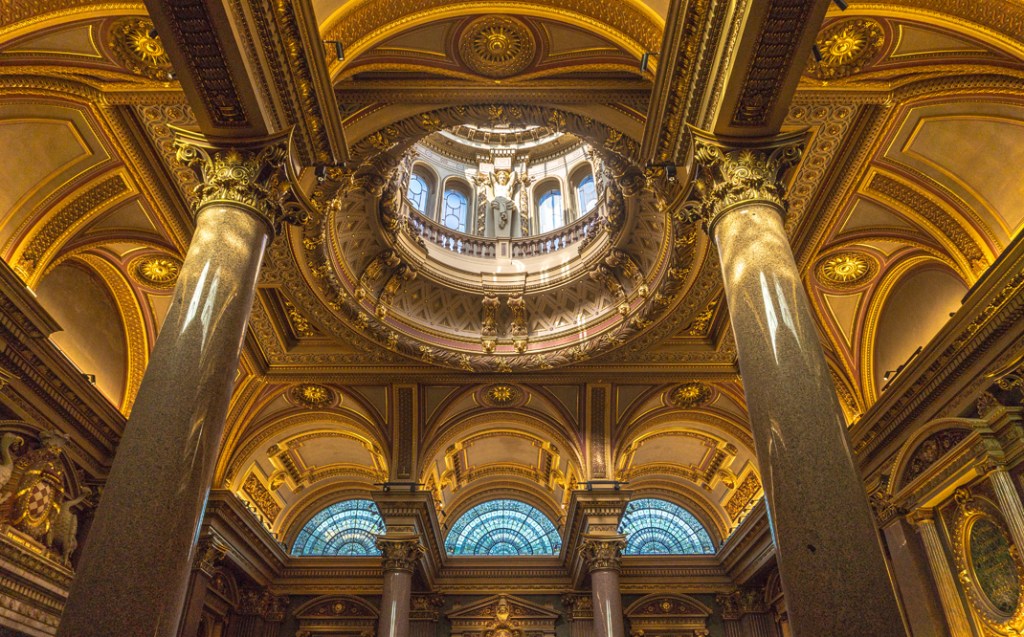

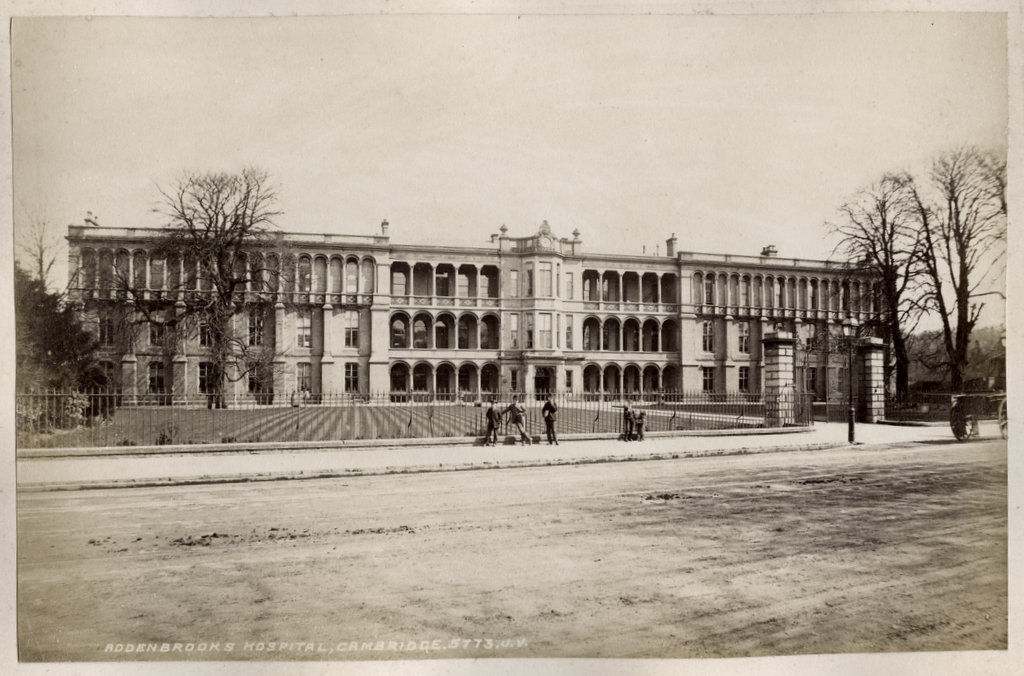

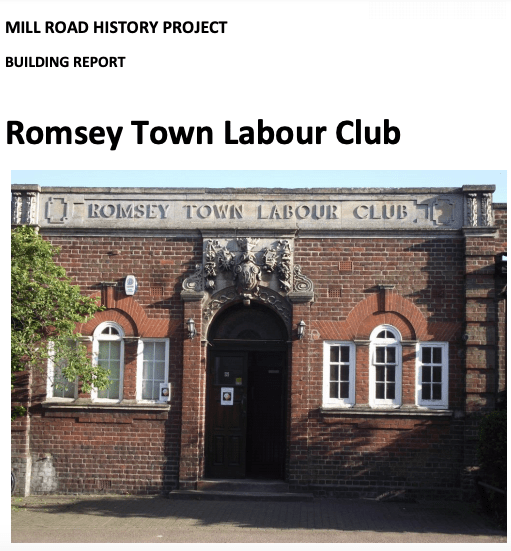

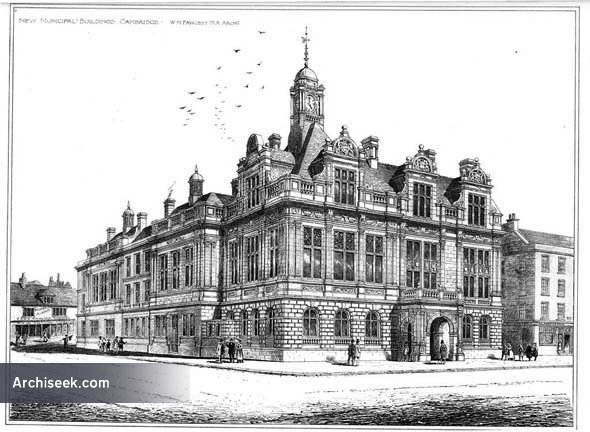


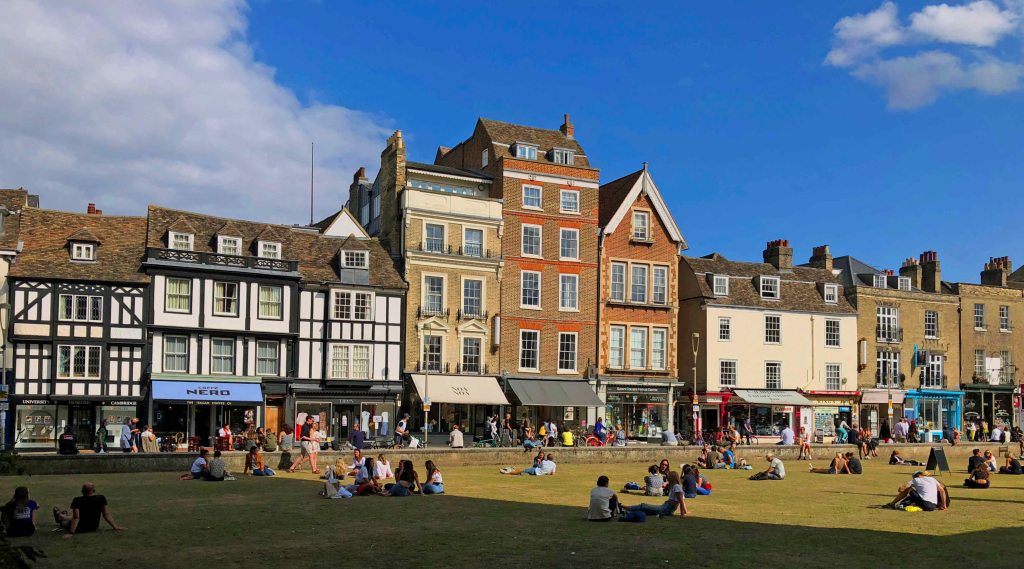

Above – things I quite like
And for the things I don’t…


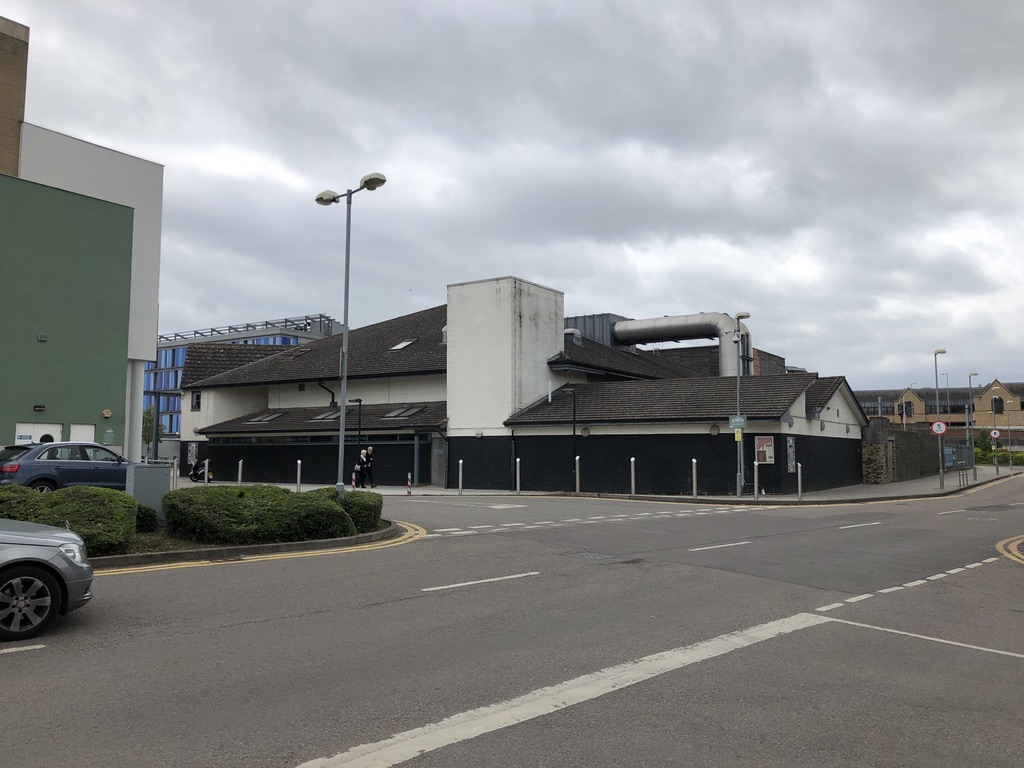

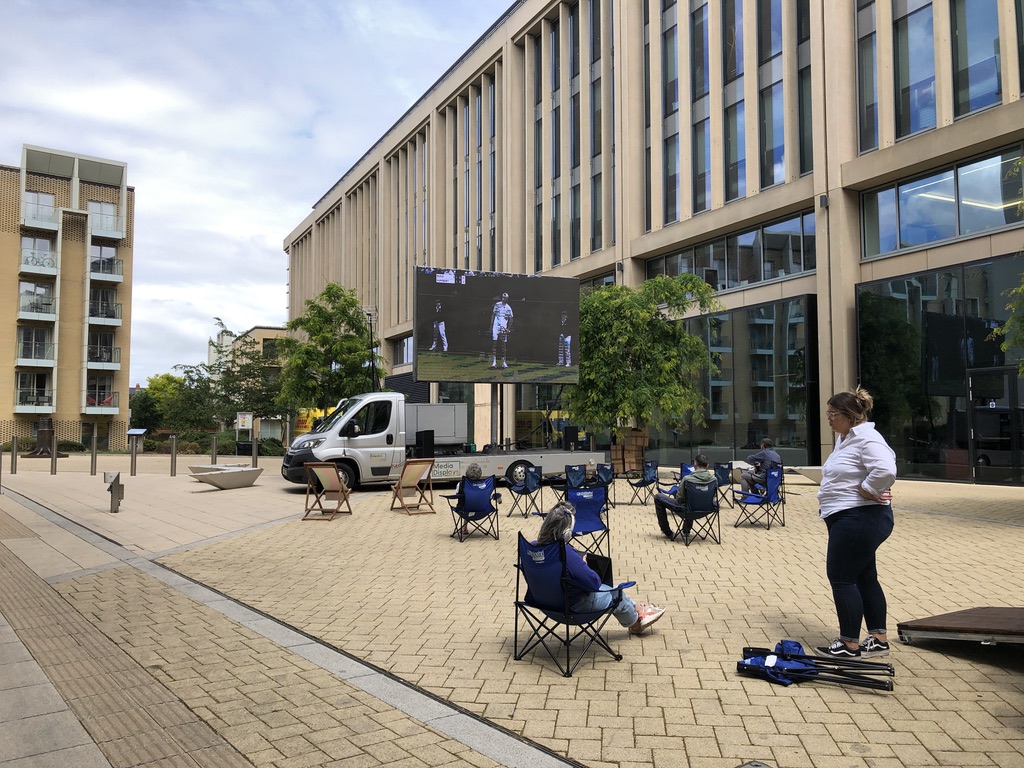


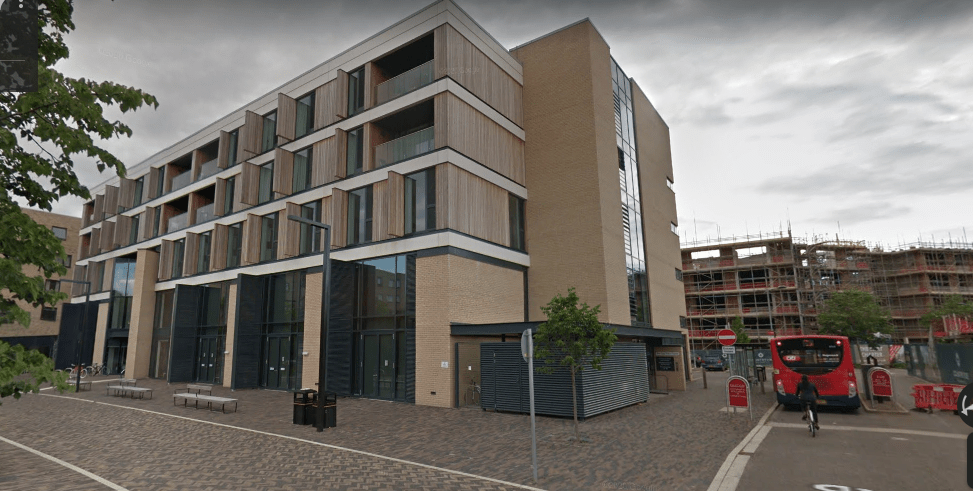
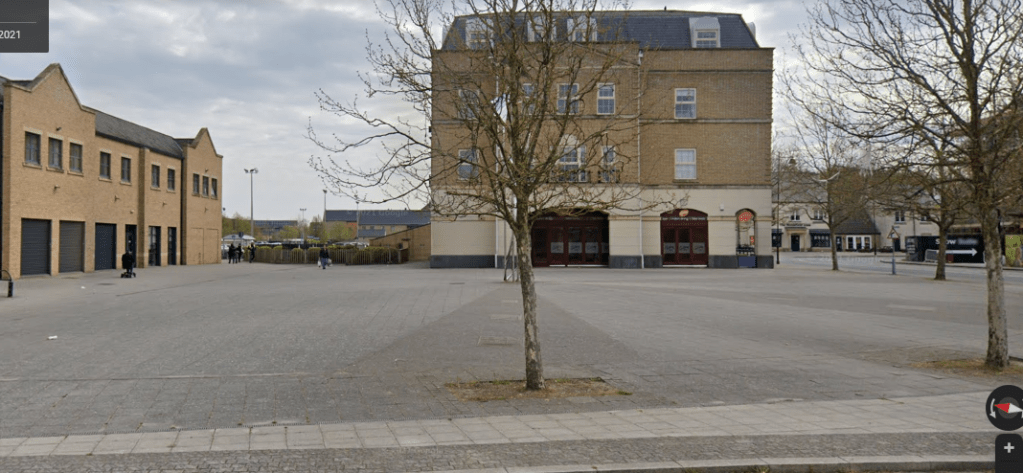
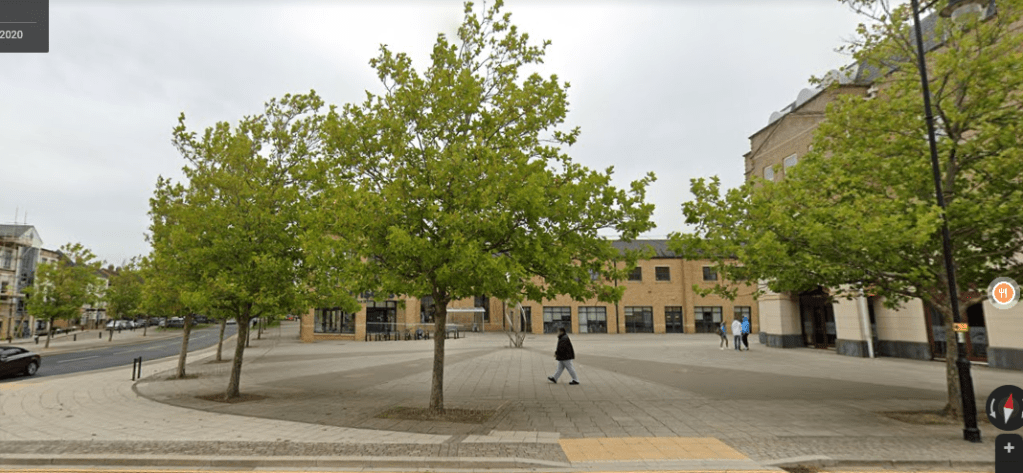


Above – mainly Cambridge plus a couple of Cambourne – the one just above being a bland monster of a halls of residence for St Edmund’s College that sits at the end of Histon Road, one of the main roads into Cambridge. That the College chose such a design and vernacular is something I find offensive to my civic sensibilities! 🙂
Is there a disconnect between architects as a cohort of people, and the general public?
“This study strongly supports previous research finding a measurable dissociation between the buildings most architects prefer aesthetically and those that the general public prefer.”
Create Streets 2019
Which makes me think “Yes there is” but then I’m reminded of my own statement above, which is to keep a critical eye open, hence further down…
“An indicative 2015 online survey by Create Streets found that the distinction between what non-design specialists and design specialists would like to see built found by David Halpern in 1987 appears still to exist. An online sample were shown four images and asked which they would most like to see built on an urban street near where they or a close friend lived.”
And for the study from Chile:
“The study’s scope was a sample of atypical geographical area, in this case the comuna of Concepción, with a population of 226,8976…The sample taken was probabilistic, simple random, and was separated by city sectors. Finally, the required sample was 156 polled people. This research must be received with the obvious caveat that the sample size is limited, refers to a particular country and uses deliberately simple language and questions for the benefit of non-architecturally trained opinions”
That’s not to say there’s nothing to be learned from the research. I think it’s a bit of a cop-out to say ‘more research is needed’ and leave it at that. I think what both point to is the need for more of the public to be involved *at design stage* and to have architects, developers, and local government using much more effective tools and processes to work out what sort of style/vernacular/design nearby residents would want – in particular the children and people from working class backgrounds who are likely to be the least engaged and the least mobile when it comes to living with the decisions that are finally made.
Give residents a wide range of images and design styles/vernaculars. Show them what other areas have done where the evaluations have sown what does and does not work. Councils should also publish publicise evaluations of large developments in the years following completion. Those should be made available to new developers the learning from which should be demonstrated in their new designs.
Engage residents imaginatively – and in a way that does not lead to consultation overload.
Isn’t there a. wayin which several developments can be considered in the round as part of the pr-application process? (Hence hoping to explore this in Open Cambridge 2023).



Above – me fatigued up to my eyeballs after the latest round of public engagement events (which I don’t get paid to go to, so please feel free to help support my research costs if you are able to in this cost-of-living crisis!) Also me sulking in the presence of spreadsheet architecture around the back of the railway station for the Playlaws project, where a nine-year-old told me what was unfair about Cambridge. We should listen to the children more. If anything because they are learning stuff at school tech-wise that older generations in power either were never taught at school or were invented after they/we left, and that previous studies (bottom-left and bottom-centre) show what ideas they come up with when both adults and children take the task seriously.


Above – books – including “The School I’d like” from the early 2000s which I very strongly commend. (The background is in The Guardian/Observer here)
Which reminds me. Bookshops. And The Grafton Consultation. We need to respond. (See my blogpost here). I was thinking about this last night for some reason. Stuff to cover:
- Please provide for a large bookshop which has a large children’s section in it
- Reappraise the transport assumptions after talking with RAILPEN, RailFuture, The Combined Authority, and the DfT over a light rail/rail station at The Beehive Centre
- Please insist on much larger provision for teaching space for children – only the existing provision won’t fit a full class of children in the average state secondary.
- Please have at least ***One building*** that reflects the previous generations of The Kite that lived and worked there – look at the old Laurie and McConnel building, or the first Co-op building for some ideas!

Above – one of my favourite buildings in The Kite – the old Laurie’s store
Food for thought?
If you are interested in the longer term future of Cambridge, and on what happens at the local democracy meetings where decisions are made, feel free to:
- Follow me on Twitter
- Like my Facebook page
- Consider a small donation to help fund my continued research and reporting on local democracy in and around Cambridge.
 The Cambridge Town Owl