
Trying to find a range of recently-published high quality, accessible books that introduce how our country functions is surprisingly difficult. What happened to the culture of civic learning we used to have?
Three years ago I wrote about the Penguin Specials published during and after WWII – a series that educated a knowledge-hungry public wanting to discuss what the new post-war world would be like.


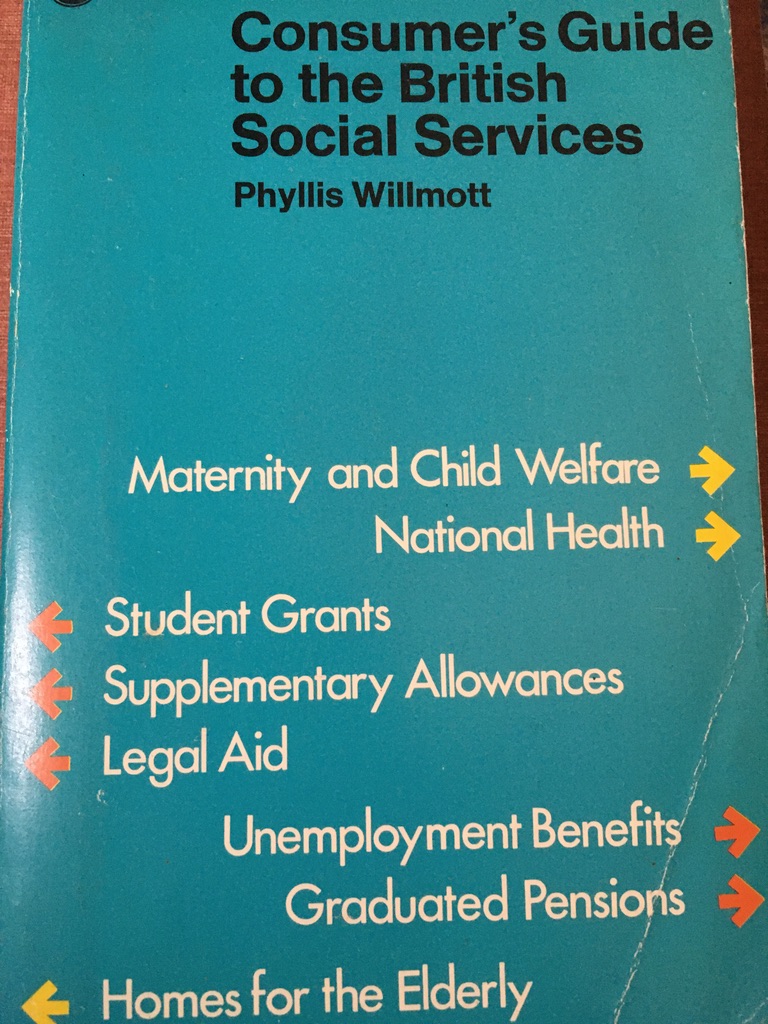

Above – some of the old Penguin Specials / Pelicans listed here that I’ve purchased over the years.
“Having the knowledge of what we tried before in previous eras and attempted by previous generations can help inform what we do and don’t do today”
The above is something I wrote when looking at some past transport proposals. Still the most accessible of the titles (and judging by how many have bought copies off of me at my community book stall or chosen them at the recent Great Cambridge Crash Course event (all three copies I had of the politics one went), the Usborne beginners is the best series out there – and feels like the only series out there.


Above – from the Usborne for Beginners series – aimed at late primary/early secondary school readers, but also useful for adults too!
The problem with mainstream books such as the brilliant books by Biteback on themes like Parliament, and Government, is they assume a high level of political literacy. Fine if you’re me or if you’ve studied politics academically or follow current affairs closely. But for the vast majority of the population, they’ve never had the chance. How can the phrase: “Ignorance of the law is no excuse” mean anything if the public has little chance to learn about the law until they’ve found out they’ve broken it? It’s not just the UK Government that has slashed lifelong learning budgets. Employers have done the same over the past couple of decades.
Remember what Frances Coppola warned about a decade ago? That.
Town planning is one area where we see this the most – expensive consultancies snapping up local council town planners because ministers are keeping the thumb screws pinned down on councils because they are addicted to outdated 1980s rhetoric on council spending – not realising that (in and around Cambridge at least), businesses have said that one of the biggest constraints they face is the very low capacity and underfunding of local government, in particular town planning teams. The Conservatives in government only have themselves to blame.
“So…what do we need publications on?”
This book arrived today – originally published in 1939 with this edition published in 1945
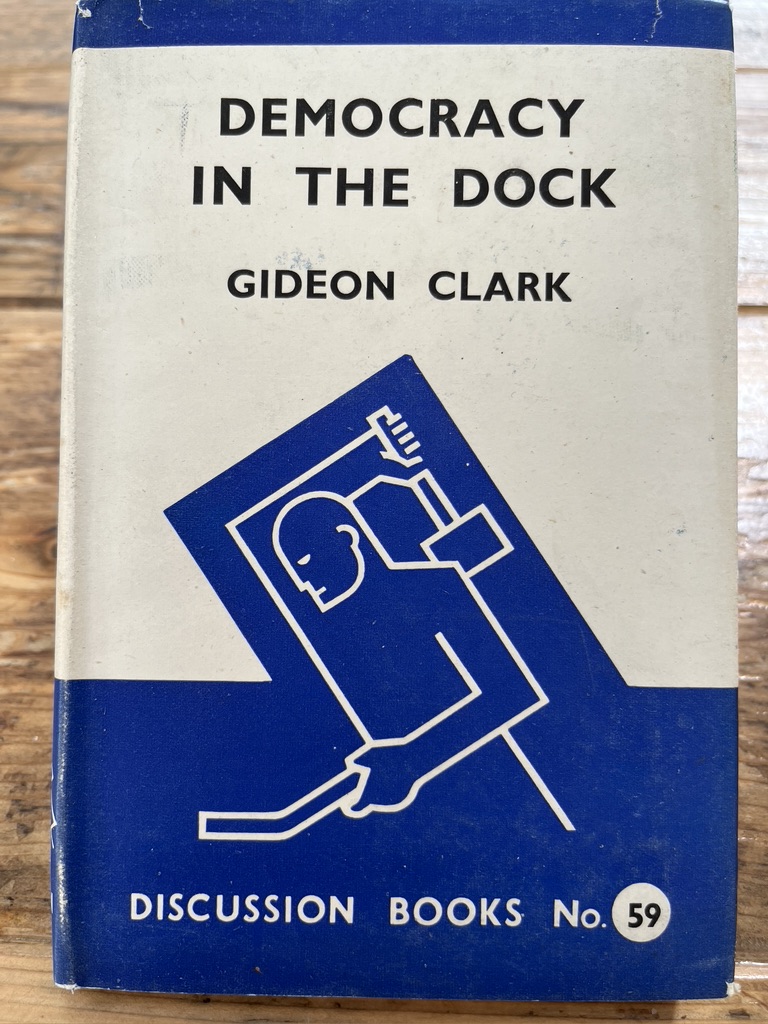
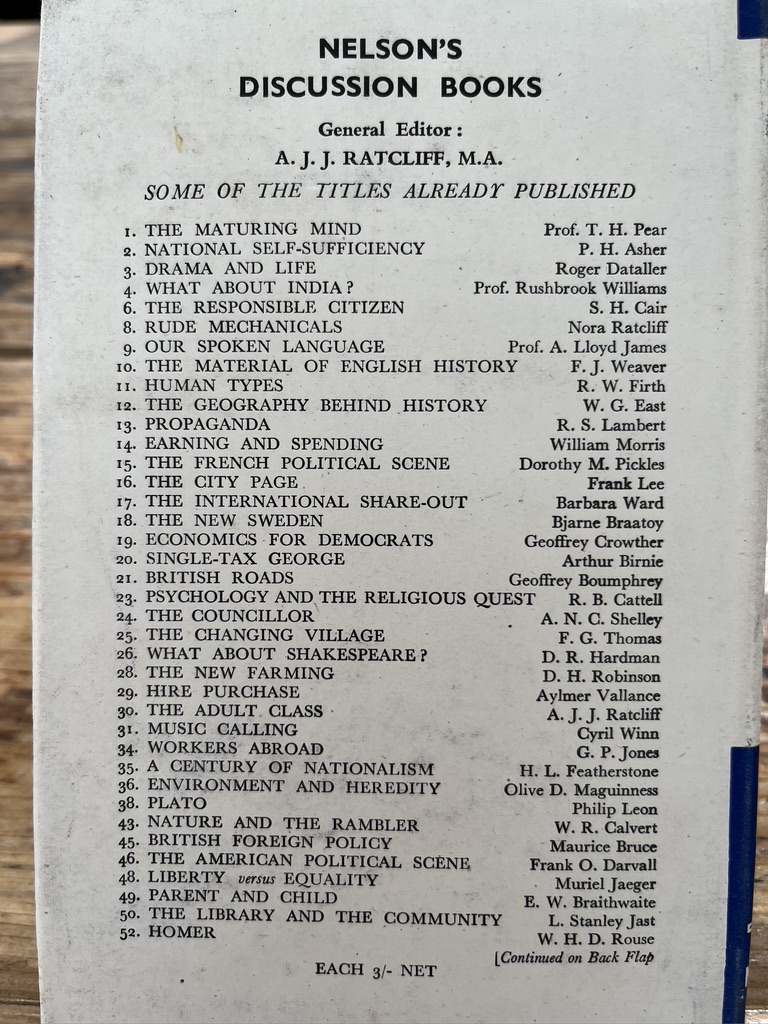
Above – Democracy in the Dock – Gideon Clark.
Note the list of titles next to it – mindful of the context.
- The responsible citizen
- Propaganda
- Earning and spending [at a time of rationing?]
- British Roads
- The Changing Village [note that airfields had been popping up all over the place, along with ‘War Office’ properties in rural areas].
- British Foreign Policy
- The Library and Community
When you browse through that list, what sort of subjects or themes come to mind about a series of discussion topics about the future of Cambridge?
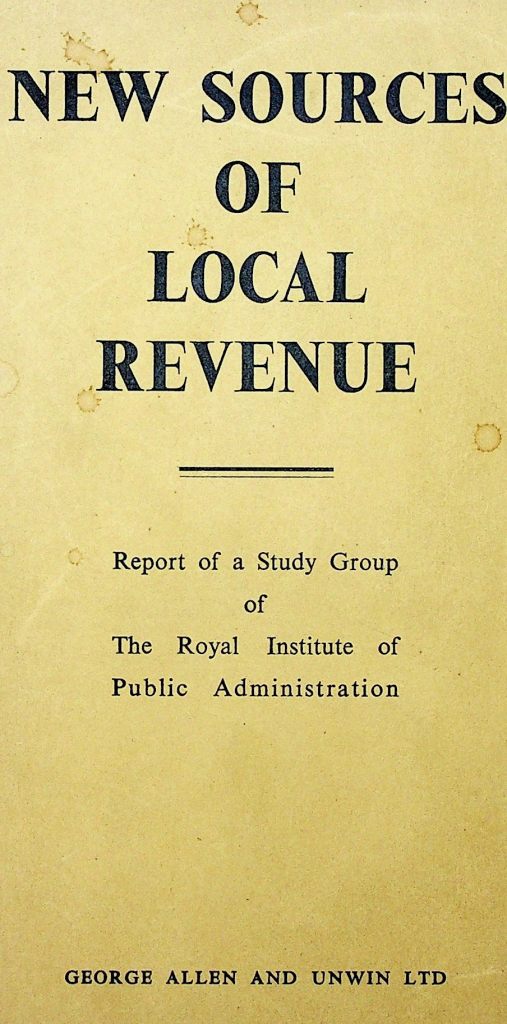
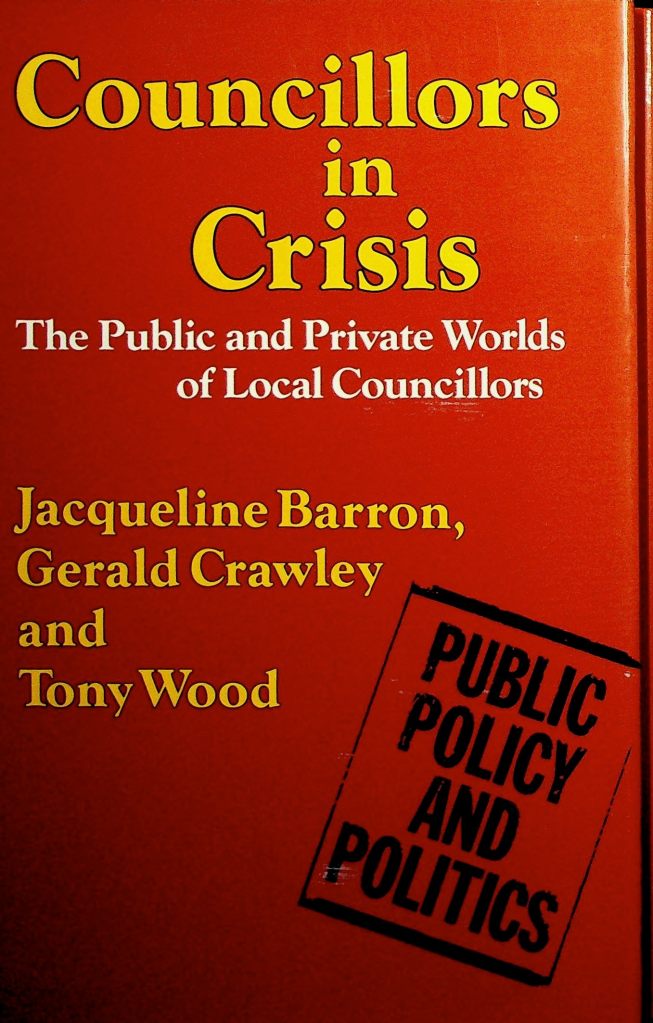

How about the above-three?
- How should local councils be funded? (Can we get a fairer and more sustainable system that Parliament has called for, and that ministers have ignored? Some of you may even remember the Poll Tax!)
- Are councillors over-worked and under-funded given the huge amount of work involved in being a councillor? Could *you* find another 20 hours per week on less than the minimum wage to take on the role of a councillor?
- Is the system of privatisation and contracting out to the private/voluntary sector proving to be more efficient than providing in-house resources? What assumptions were made back in the 1980s, and what have we learnt since? (Eg loss of corporate memory, fragmentation of functions, contractual rather than democratic accountability?)


- Time to look at structural social inequalities again?
- Time to look at a new economic model?
- Time to get scientists involved in local democracy? -(Ensuring they too are politically literate just as I have called for more opportunities for lifelong learning in STEM subjects to be funded and made available.)
The thing is, we can’t get into the detail of things like the above-three until we are famiiar with the essentials. Sadly, and it’s a reflection of the exams culture imposed by ministers and the political system, the most accessible books on things like citizenship GCSE, and A-level Government and Politics, are all written with exams in mind. It’s hard to avoid the trend of ‘exam focus’ sections in books.
“Why does this matter?”
Because how can you expect a population that has a large minority of people struggling to understand health leaflets to understand how to hold their political representatives to account?
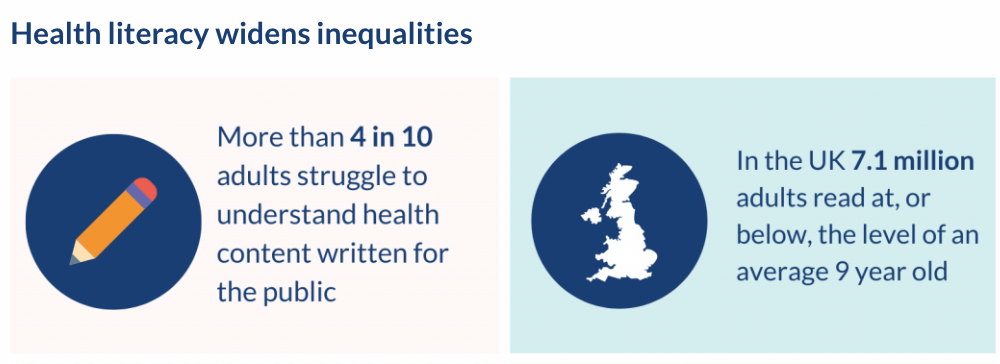
Above – from the National Institute for Health and Care Research
One option that might be available is a grassroots-produced set of short pamphlets – online and in print.
And then incorporate those into discussion groups or a series of discussion events at neighbourhood level that can also be semi-social events. i.e. informal rather than an academic-style evening class with an exam at the end.
Mindful of the wider literacy and numeracy issues, in one sense it’s a Combined Authority responsibility. On the other hand, we cannot assume that an austerity-hit sector is going to cover everyone. Hence the challenge for organisers such as myself is to try and pitch an inherently complex subject in a way that covers a range of abilities. And most importantly, enables people to think through the evidence in front of them, scrutinise it, and come to their own conclusions. That was the thing that seemed to work best last weekend.
Anyway. Best try and book some more community rooms to add to the new event in the calendar.
Food for thought?
If you are interested in the longer term future of Cambridge, and on what happens at the local democracy meetings where decisions are made, feel free to:
- Follow me on Twitter
- Like my Facebook page
- Consider a small donation to help fund my continued research and reporting on local democracy in and around Cambridge.
 The Cambridge Town Owl