BBC Look East on 29 April 2024 interviewed young adults at Basildon’s South Essex College campus about the local elections. Their responses made for sobering listening for anyone involved in politics and public policy.
You can find the episode here – although sadly it won’t be up for long. Alternatively, see the tweet below
Above – what young adults in Basildon said were their priorities. The following quotations were from apprenticeship students.
- “It’s one of them – I wouldn’t have had a clue about what they were doing. It’s not really important to me.”
- “The local elections – they are not really well-publicised in my area. The most you get is a leaflet through the door”
- “I spoke to my parents about it – but I need a bit more research”
- “I don’t think so, no. I honestly don’t know a thing. I don’t think it’s appropriate for me just to follow my parents in a way because I’m my own person and should be educated on it”
There’s no point in criticising the college, because further education as an entire sector is struggling.
‘The most you get is a leaflet through the door’
The words of politicians about how important democracy is sound hollow when people’s experience of it at election time is little more than a leaflet through the door.
If you live in a contested ward, you’re more likely to get a knock at the door. But how many of us know what to ask about and how to discuss political issues if we don’t even know the basics of how our communities, towns, and cities are governed? “Oh that’s a matter for the county council…”
If democracy was as important as politicians say it is, then our political and democratic processes would be properly resourced and protected in order ensure free and fair elections. And these questions are not new – As Frank Hardie wrote in 1945.

In one of several guides by the old Association for Education in Citizenship (could it be reformed? Does it exist under a different name), this pamphlet invites the reader to discuss a series of questions.
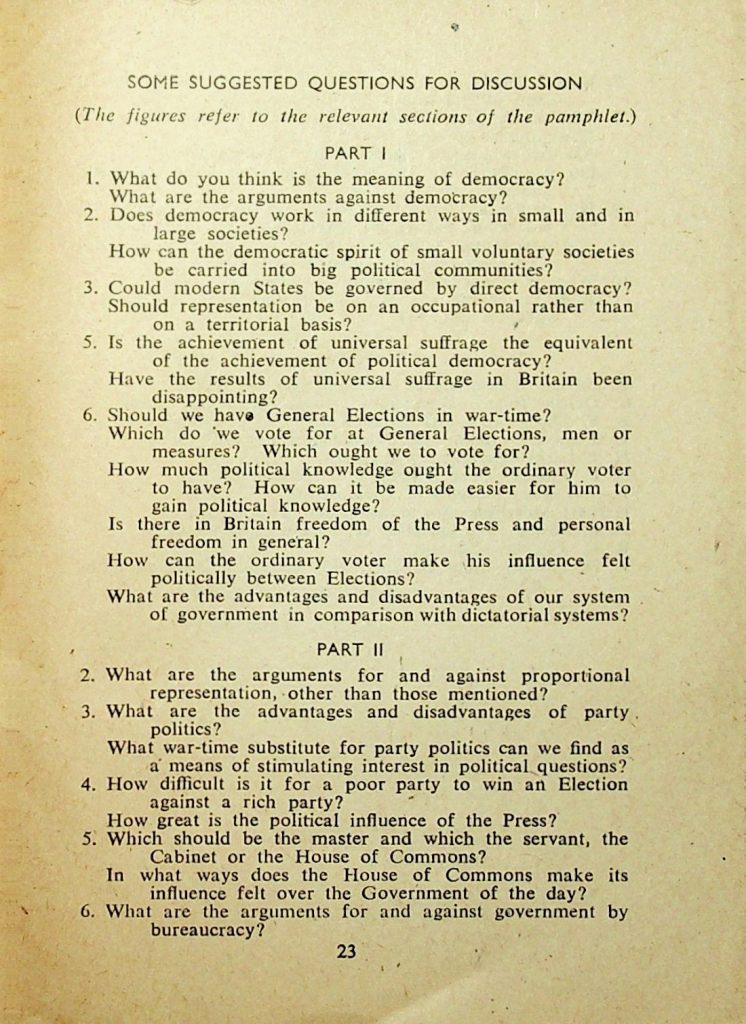
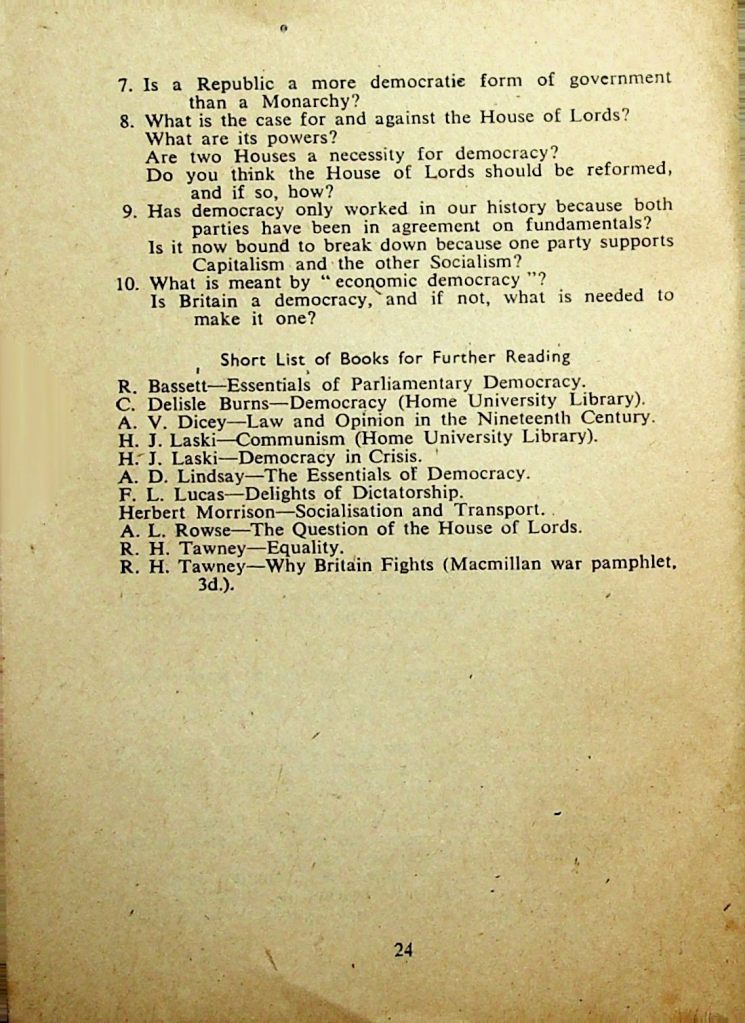
Above – Hardie (1945) pp23-24
“What does being a councillor – or an MP involve?“
How many people are aware of what they do?
“People think of what MPs and councillors do as going to big meetings and talking. But that ignores our case work role. It’s never been more important to develop the skills you need to support residents with a wide range of needs.”
Naomi Bennett – restanding as the Green Party Candidate for Abbey ward in Cambridge.
This for me helps explain why Citizenship Studies and the GCSE in the subject are ever so important. A one-off talk/assembly with a politician really is not enough. Yet ministers have made the choice to de-prioritise citizenship studies resulting in teenagers finishing full-time education knowing very little about democracy, their vote, and how to use it.
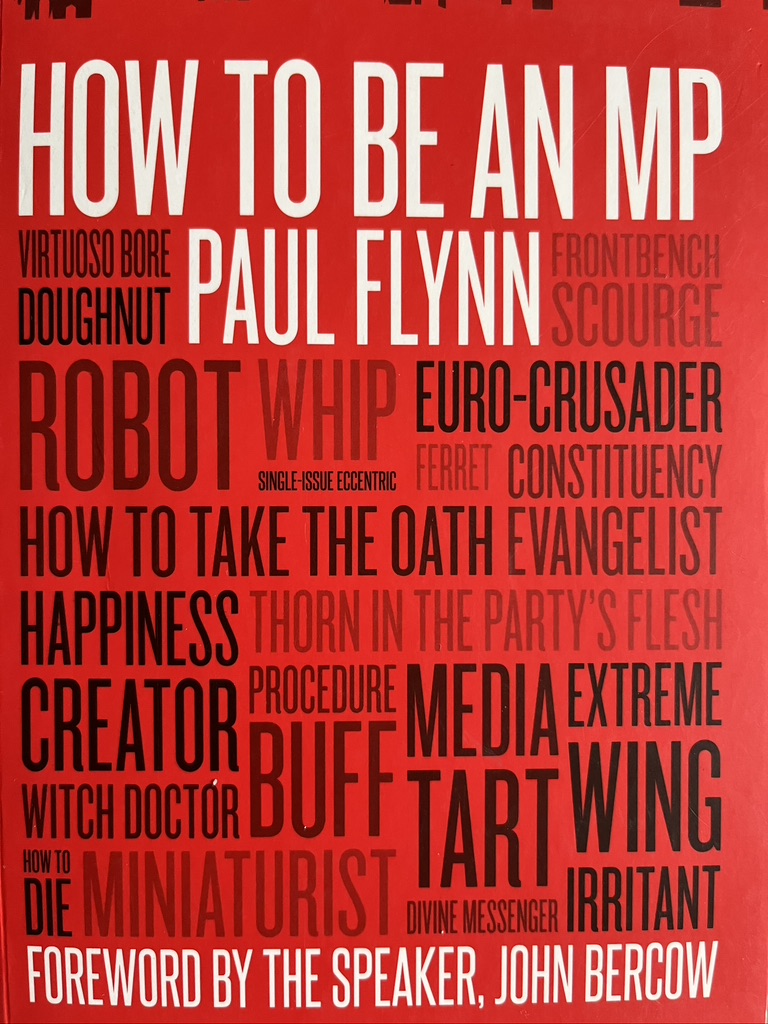
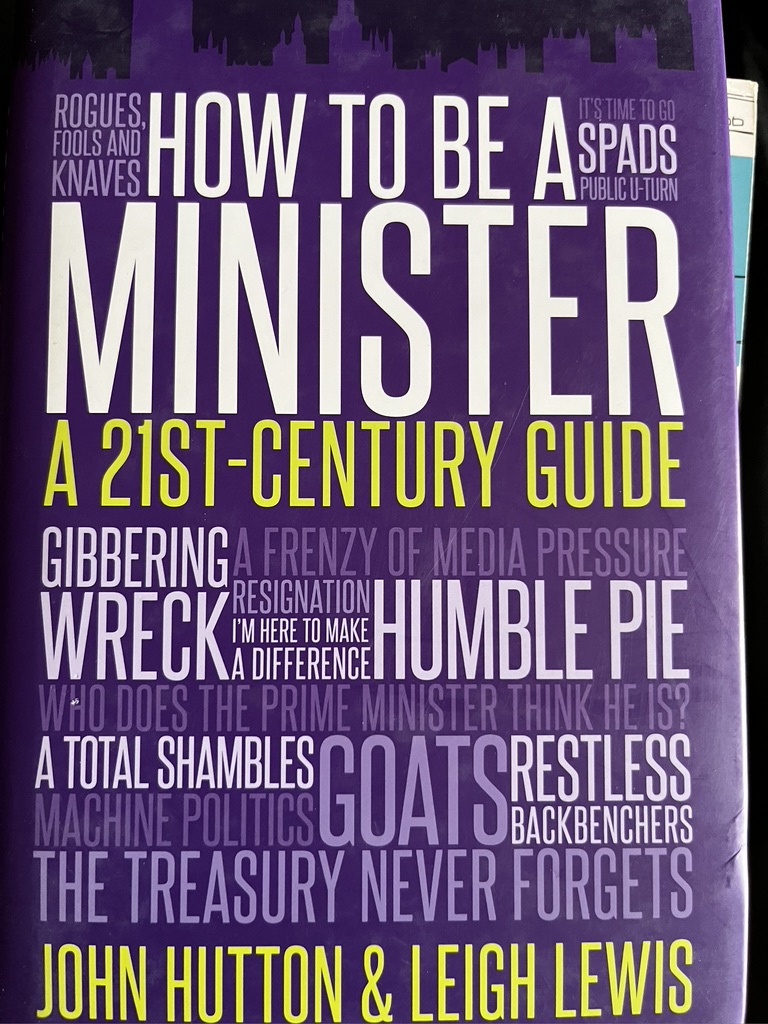

Above – useful as books are, where are the events and debates involving children and young people in a meaningful way where they get to shape the futures of the places they are growing up in?
Or do the profits of developers and financiers count for more in our political system?
What can be done?
I tried to look at this in an earlier blogpost. Furthermore, note that a previous generation of ministers made a Political decision to strip civics from the curriculum in the 1980s so that my generation of teenagers were educated to be ignorant.

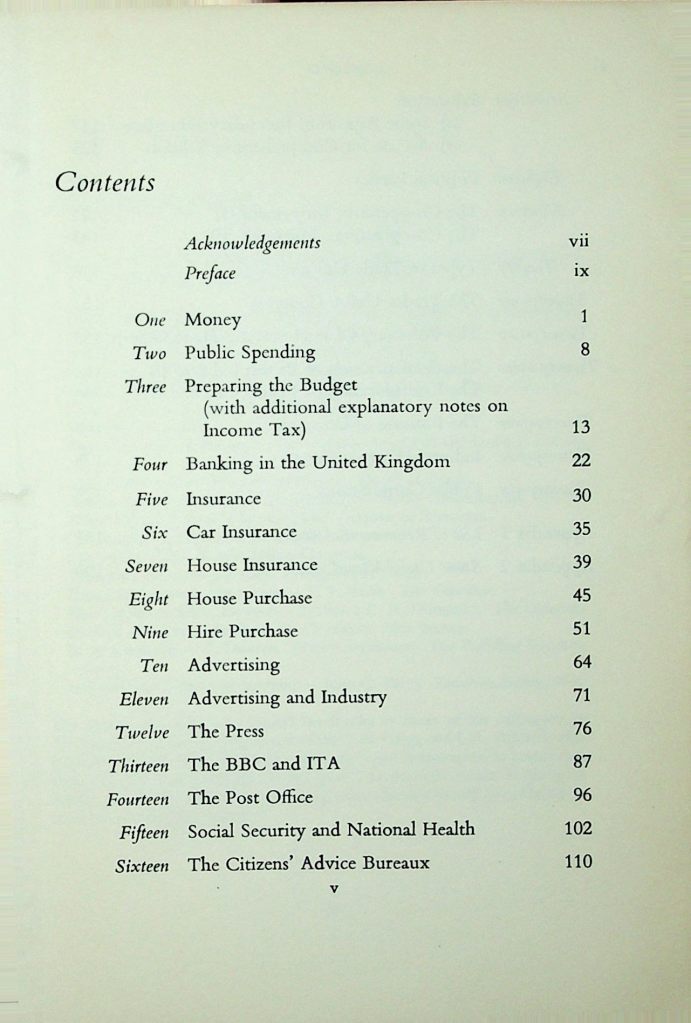
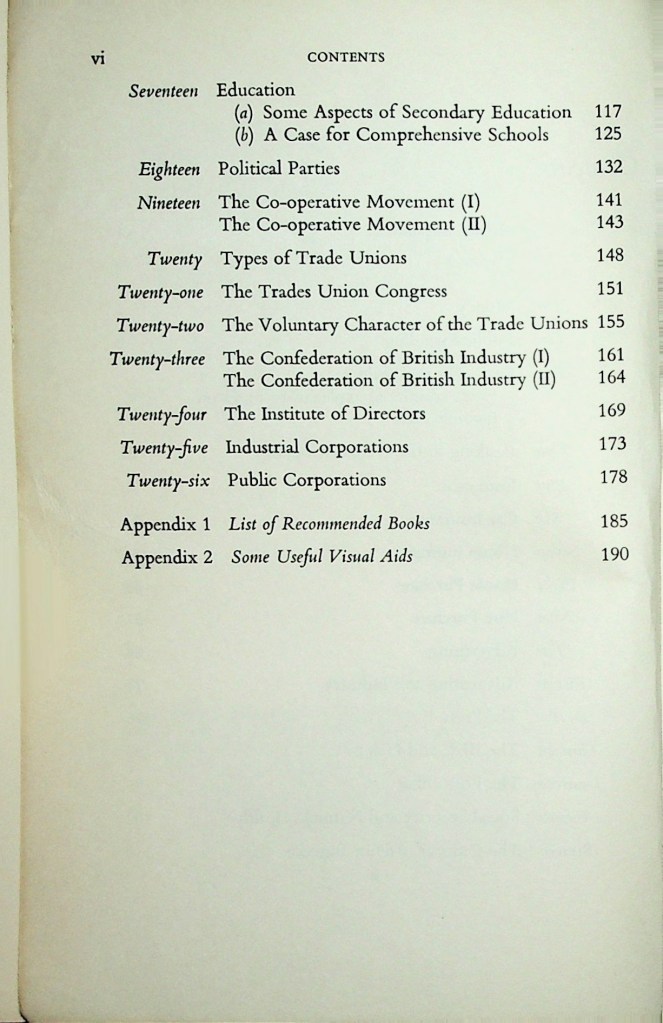
Above – from 1966, what students on vocational courses in further education had added onto their courses in English & Social Studies
What difference would it have made for the apprentices interviewed by BBC Look East to have had a 21st Century version of this course as a core part of their learning? Sometimes I begin to wonder whether the big ‘blob’ that Michael Gove claims to have coined – one he uses pejoratively to describe some of the more militant trade unionists he opposes, is actually his own party acting as a block on learning and progress. It simply requires his party in government to sit there and do nothing for this policy – leaving it to underfunded, under-supported volunteers to try and fill the gap.
Changing the culture across institutions will take a very long time. So might as well start now
Adults have got to demonstrate to teenagers that democracy – and within that participating in elections (not just voting on the day) is really important. And that involves casting an informed vote based on having met the candidates, questioned them, and scrutinised their promises and past records.
This is an issue that goes far, far beyond what political parties can do themselves. They cannot organise community hustings because it’s a conflict of interest. At the same time, given the threats and abuse politicians get, it’s understandable that many will have reservations about appearing in public too frequently.
Which means other civic society institutions need to stand up and be counted – especially those with paid full-time staff.
We are starting from a very low base. If our public libraries are not stocking books that cover the basics of democracy, what signal does that send?
Furthermore, there is a fear in some public institutions of being seen to be party-political, and thus they put down the shutters whenever someone approaches them even if trying to host a debate involving political parties and their representatives.
How did we get to here again?
Or rather, where would we like to be in five years time? What would that look like and be like? For example where further education students have one of their core subject streams involving (for want of another word) ‘Adulting’. Ryan Kelsall of the Eastern Learning Alliance told me that his curriculum for SEND teenagers covers life skills in far more depth – things that are likely to be useful if not essential to them in later life, than the mainstream academic streams.
That’s not to say academic subjects are not important. If anything part of the problem is the siloed nature of how subjects are taught – similar to how policy areas are siloed by the Whitehall department they report to. Hence each one argues like their existence depends on it when it comes to having to work together – from Cabinet downwards. (I found out the hard way on a cross-departmental project board involving at least ten different departments of state back in the mid-2000s in my civil service years!)
Furthermore, it’s not easy for the schools and colleges when ministers measure them primarily by exam results, and have a toxic institution that is OfStEd doing the inspections. Why would any cash-strapped head teacher take any risks if it meant getting a kicking from inspectors? The roots of the problem track all the way back to ministers.
Coming back to the main issue, if one leaflet through the letterbox does not demonstrate that local elections are important, who needs to do what to demonstrate that such elections – and democracy in general is far more important than what we see today?
Food for thought?
If you are interested in the longer term future of Cambridge, and on what happens at the local democracy meetings where decisions are made, feel free to:
- Follow me on Twitter
- Like my Facebook page
- Consider a small donation to help fund my continued research and reporting on local democracy in and around Cambridge.
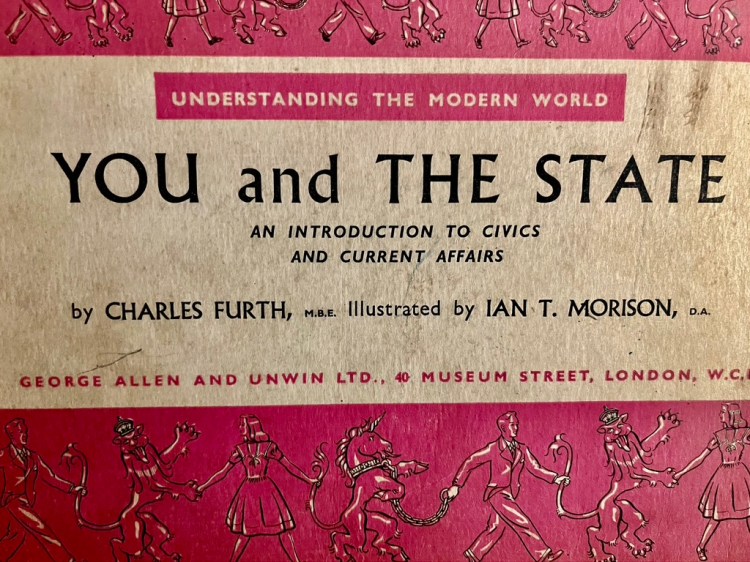
Below: You and the State – from 1949
 The Cambridge Town Owl