The tragic news of the death of a teenager just after the hottest day of the year in Cambridge comes at a time a new set of planning documents have been published by the Greater Cambridge Shared Planning Authority
You can see the news report from BBC Cambridgeshire here. I’m not going to comment further on this specific case as investigations are now live and it will be up to the relevant authorities to make any further formal announcements.
The East Cambridge/Burnside Lakes
For those of you that want to know more about the history of the issues around the site, The Friends of Cherry Hinton Brook here are the best people to get in touch with, as some of their members have lived locally for long enough to remember when the site was an active cement works.

Above – from EPW025477 – Cambridge 1928 from Britain from Above – a detail of Coldham’s Lane (running top to bottom on the far left)
“Cherry Hinton Lakes, just south of Coldham’s Lane, is currently private land that becomes a hotspot each summer for trespassers trying to fish or swim.”
Ben Hatton in Cambridge News 04 June 2021
The previous year when the first lockdown was still in place, Cambridgeshire Police had to issue a Dispersal Order after 80 people were found to be trespassing on the side.
“Inspector Martin Townsend, who approved the order, said: “Over recent weeks we have noticed an increased amount of trespassing and swimming at the lakes. “While I understand the weather is hot I would like to remind the public of the dangers of swimming in open water, which can often have hazards hidden underneath the surface or be colder than expected.””
“The lakes contain deep and very cold water, together with equipment left from when chalk was extracted, and swimming in these conditions can lead to drowning, so people should not access this site for swimming,”
The redevelopment of the East Cambridge / Burnside Lakes and Land South of Coldham’s Lane
I wrote about the latest planning application here. It summarises several of the key issues – including one of the old quarry pits being used as the municipal tip in an era where few detailed records were kept of who was throwing what into the big hole in the ground. Which is why some people – and experts, quite understandably are saying that the site is best left undisturbed.
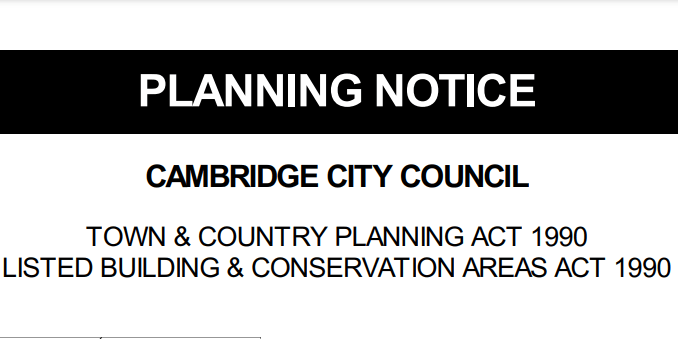
Environmental concerns remain outstanding according to new documents published by the Greater Cambridge Shared Planning Service.
See the GCSP’s planning portal here and in the search -> planning – >simple search drop-down, type in 23/04590/OUT into the box. You’ll get a screen that, if you click on the ‘Documents’ tab, looks like below.

…which is a significant increase in the 397 documents that were listed in December 2023 – the ones I summarise here
The Environment Agency conditionally withdraws its objections
…but they are clearly not happy with the proposals.

Above – the Environment Agency’s document dated 29 July 2024 to the GCSP Service
Cambridge City Council’s Environmental Health Team have recommended refusal.
“[We] recommend the refusal of this application at this time due to the provision of insufficient information in relation to the risk of contamination to controlled waters and future site users.”
Above – Document listed at 08 Aug 2024
Cambridgeshire County Council have outstanding transport issues
They have refused to sign off the application.

Above – Cambridgeshire County Council’s Transport Assessment Team dated 24 July 2024
So there are a significant number of concerns outstanding with the developer’s proposals – while at the same time the safety issues remain with the site as it is. And these issues have been raised repeatedly by councillors. Here’s former county councillor Sandra Crawford (Cambs Labour – 2013-20).
Two issues for a separate blogpost are:
- the powers and resources the responsible tier of local government has to require landowners to ensure sites are properly secured, and
- the provision of facilities (and accessibility of said facilities) to children and young people during the summer – not just locally but also beyond given that many towns and villages have for decades have had Cambridge as their ‘regional centre’ for sports, arts, leisure, and entertainment.
For now, our thoughts are with the family of the deceased.
If you found this useful and are interested in the longer term future of Cambridge, and on what happens at the local democracy meetings where decisions are made, feel free to:
- Follow me on Twitter
- Like my Facebook page
- Consider a small donation to help fund my continued research and reporting on local democracy in and around Cambridge.

 The Cambridge Town Owl