
The problem is there is only so much that Dr Ian Sollom can do under the existing system and structures of local government. So how can he both demonstration action & results, while helping his constituents become more informed about how local government functions & malfunctions in Cambridgeshire?
Image – a map from the old Structure Plan from the early 2000s. How did that do?
You can read the report from BBC Cambridgeshire here, which cites Black Cat Radio‘s Ste Greenall.
“He said local people were most concerned about getting access to GPs and a shortage of NHS dentists, adding: “I could do a show each day of the week on those issues.”” Mr Greenall
“Ideally we want a massive sports hub, with an astro running track, where everyone who wants to get into sports can go.” Tanya Sergeant of the St Neots Sports Collective
With the best will in the world, no local MP on their own can get a new clutch of GPs and Dentists, nor a new sports hub and athletics track built.
That’s not the fault of individual residents in not knowing about who does what, nor is it the fault of the recently-elected Dr Sollom MP. But ‘doing nothing’ is not an option.
One thing Dr Sollom could do is to work with his fellow MPs in Cambridgeshire to persuade ministers to back a new school of Dentistry at ARU Peterborough – something I called for back in 2022. With a direct train service from St Neots to Peterborough, that would open up training options for existing dental staff to train, while enabling existing residents to commute in for courses rather than having to leave the area.
“The Huntingdonshire District Local Investment Framework found that under a high growth scenario St Neots would require a range of new social infrastructure including a new multi-purpose leisure facility with sports hall and swimming pool.
Many residents identified the need for a new swimming pool or improvements to the existing swimming pool as part of the Neighbourhood Plan survey.
An improved leisure offer in St Neots will have many benefits including reducing the need to travel to other towns for leisure, regeneration, improved economic activity and making the Town Centre more attractive to families.”
Above – from St Neots Neighbourhood Plan 2014-29
Mindful that Huntingdonshire is reviewing its existing local plan (I wrote about it here) – one that may well result in Central Government leaning on it to increase its housing growth targets, now might be the time to start planning for what new facilities will be needed for an enlarged St Neots.
The role of the Combined Authority in ensuring co-ordination
I’ve repeatedly questioned the Combined Authority on how it is co-ordinating transport policies with adult skills provision and accessibility – most recently last July re further education cold spots. St Neots has been identified as one of those cold spots. My concern is that any facility built may not have public transport access designed in at an early stage – in particular location-wise. The same goes for leisure-provision in the longer term. To make both sets of facilities sustainable financially, having easy public transport access to people beyond St Neots is essential.
“Where can local MPs provide support?”
First and foremost is the structure of governance for the county. The second is changing the culture of local government and of how the public interacts with it generally – the latter being far, far harder to achieve. With the latter, I think politicians should look at:
- Getting town planning onto the national curriculum, and as an optional component in GCSE and A-level Geography or equivalents
- Encouraging more schools and further education colleges to offer GCSE Citizenship as an optional GCSE – even if it means employing a small number of specialist teachers to serve a larger number of schools. (Similar to what Ludovic Stewart called for Cambridgeshire to have regarding music teaching)
- Prepping public sector organisations (and their communications teams) to be prepared for teenagers studying such courses to receive queries from them – even proactively publishing education/schools pages for teachers to use to support them.
At the weekend I found this teacher’s guide for ESOL classes going cheap. Published in 2014
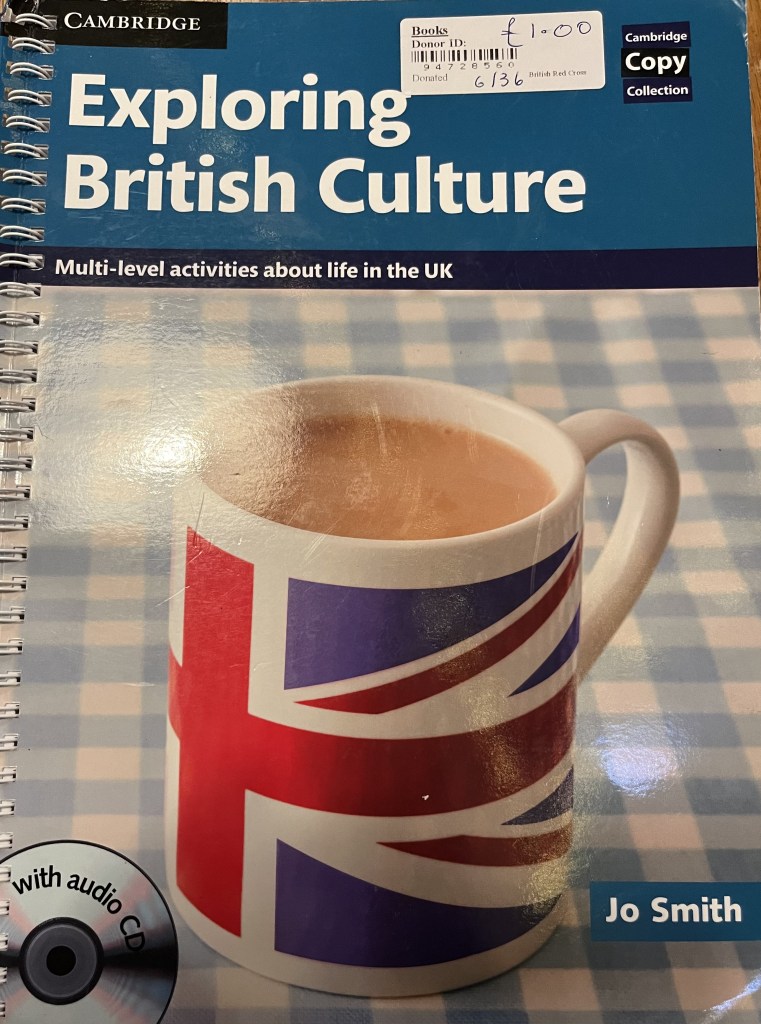
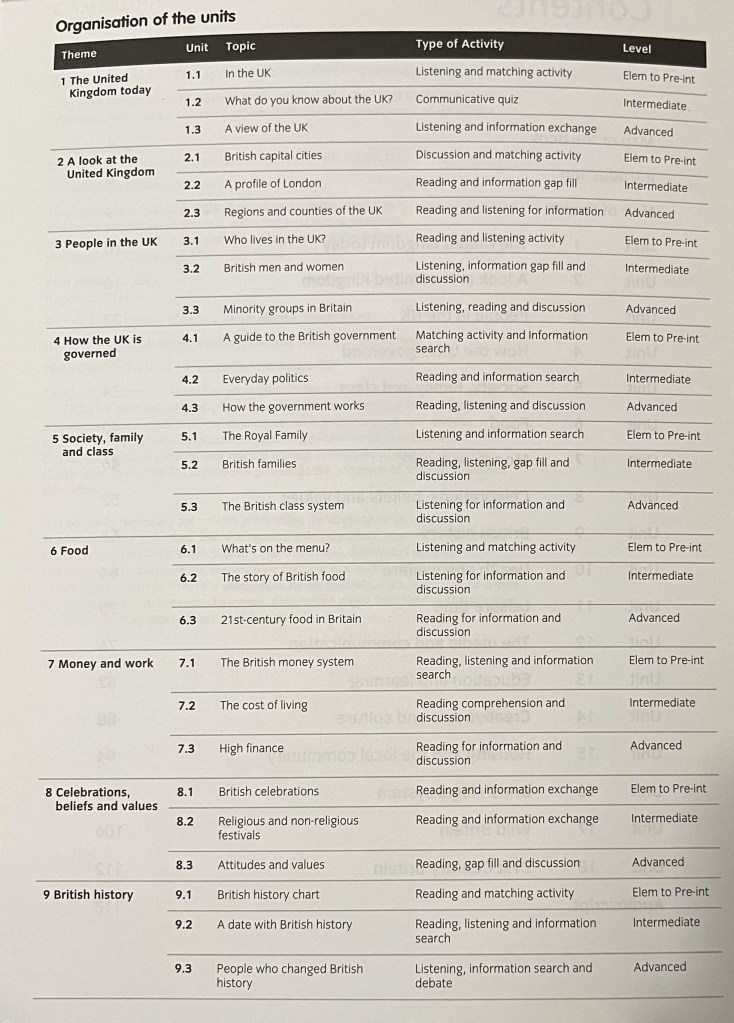
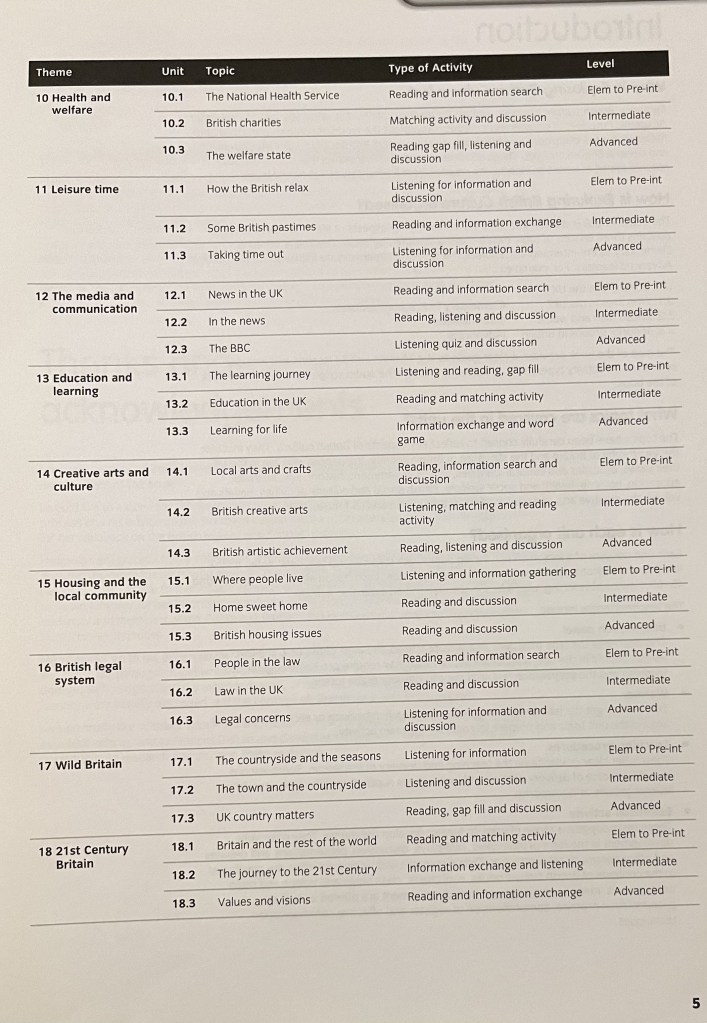
I still find it astonishing that successive governments are content for children and teenagers in the UK to have a lower knowledge of our political and legal systems than those studying English as a foreign language.
And no, I still haven’t forgiven the Tories for taking such things out of schools in the 1980s! (I can hold a childhood-era grudge for a ***very long time!***)
St Neots in relation to ‘Greater Cambridge’
This was something that should have been sorted out in the 1960s & 1970s but party-political disagreements meant that the regional planning structures Labour put in place under Harold Wilson never got the chance to be implemented as proposed. For example the creation of the East Anglian Economic Planning Council – a central-government-Quango resulted in the commissioning of Prof John Pary Lewis in and his expensive study of the Cambridge Economic Sub-region.
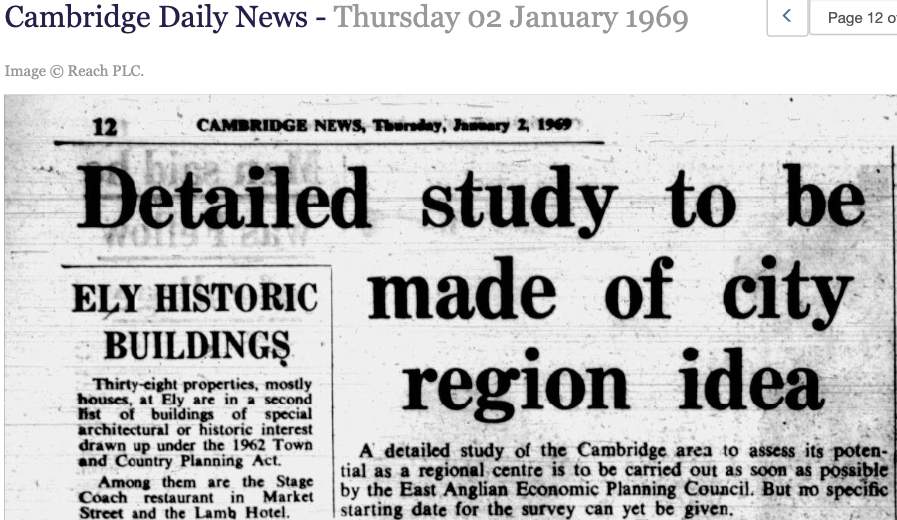
Above – Confirmation of a new regional economic study for Cambridge – Cambridge Evening News 02 Jan 1969 in the British Newspaper Archive.
But Parry Lewis’s report was so radical – recommending the doubling of the size of Cambridge, that local councillors on all three local councils (City, South Cambs District, and County) threw out the plans, leaving city residents to pick up the pieces. Note that the city-region concept incorporated St Neots.
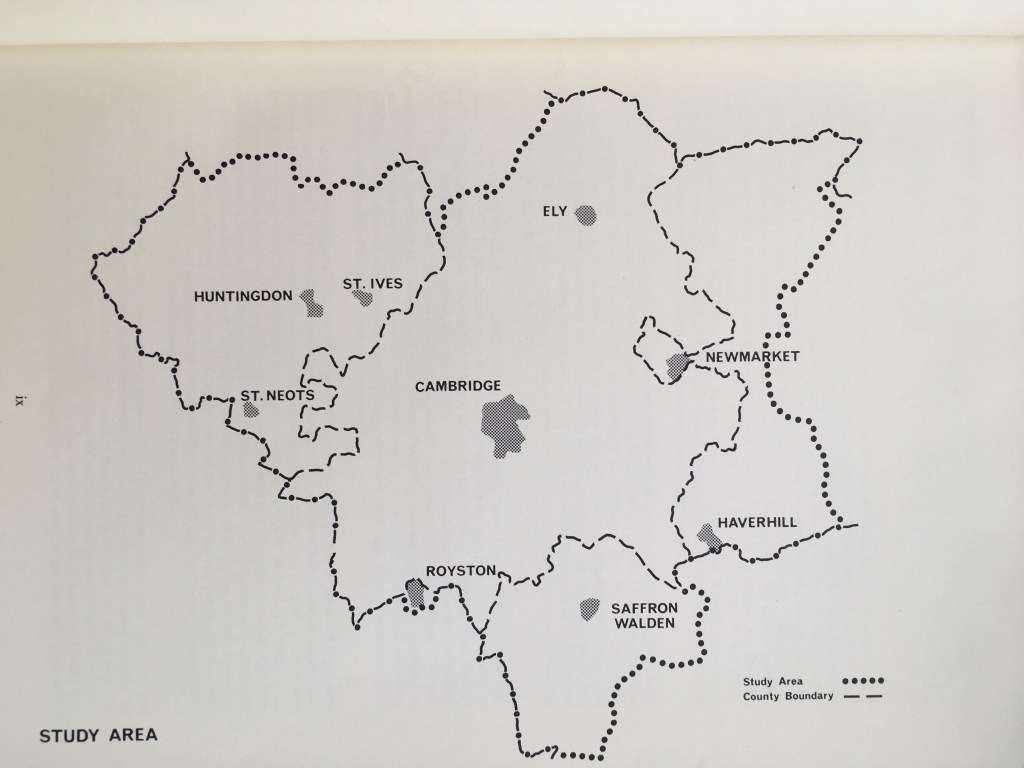
Above – the Cambridge Economic Sub-region of the early 1970s. John Parry Lewis (1974) p6
What would housing, transport, and economic planning have been like if this proposal along with Redcliffe-Maud’s proposals for a Greater Cambridge Unitary Authority had been approved? Instead, we got the structures and boundaries that we are familiar with today.
Thus one of the challenges for MPs is to identify what structural changes need to be made that are consistent with how people currently live, and will be living their lives in the medium term, and what culture changes are needed in our communities so that people choose to go along with the journey rather than have unpleasant surprises from a generation ago thrust on them as with the Congestion Charge.
Food for thought?
If you are interested in the longer term future of Cambridge, and on what happens at the local democracy meetings where decisions are made, feel free to:
- Follow me on BSky <- A critical mass of public policy people seem to have moved here
- Like my Facebook page
- Consider a small donation to help fund my continued research and reporting on local democracy in and around Cambridge.
Below – some recently-digitised books from the olden days that I think are still relevant to today

 The Cambridge Town Owl