The Combined Authority has published a monster meeting pack with ***lots of pictures*** (because it’s nearly 50MB in size). In the meantime, a reminder that Cambridge’s council house waiting list is over 2,800
You can read the CPCA papers here, and see the council housing table from the city council at item 6a (p11 of the 1MB file) here.
“What The F— Is that!?!?”

Above – quirky illustrations in Item 12, Appending A, p6
“Nightmares about being chased by a one-eyed monster with curtain fabric for ears and phalluses for legs!“
They managed to get the reference to CamSkate’s new indoor skate park though!

Above: “Yes – but does it go fast enough to get me away from that little multi-phallic monster?!?”
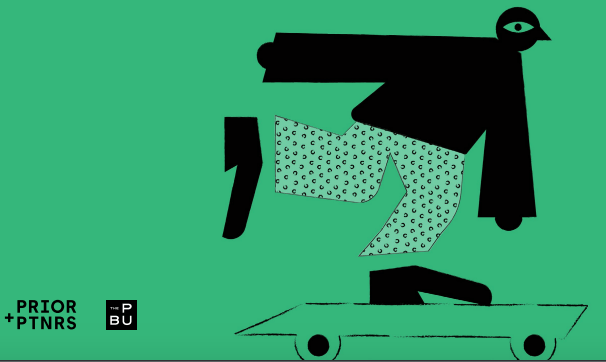
Actually, given the London-based firms involved, I’m not sure they’d have been aware of the new indoor skate park in Cambridge (there’s a rollerskates and rollerblading evening there on Friday) but I could be wrong
“So, what is our shared ambition?”
This relates to the consultation exercise from July 2024 which I wrote about here
“On putting health at the heart of policy/decision-making, this assumes that the decision-making organisations have the legal powers, policy competencies, and the resources to make a difference. You only have to look at the fragmentation of, and the enfeebling of local public services to see where the tensions are”
Question to the Combined Authority: “Convince me that you and your partner councils have the legal powers, the policy competencies, and the resources to achieve the ambitions you’ve set out”
Question(s) to the Combined Authority: “Which institutions outside of central and local government have the powers to block any actions you may want to take to achieve your ambitions – and how will you deal with such scenarios where they act in such a manner?”
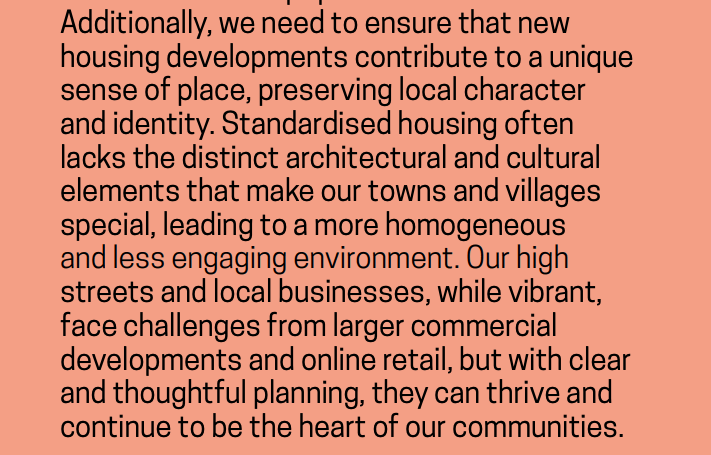
Above – CPCA Shared Ambition (Oct 2024) p15
“Standardised housing often lacks the distinct architectural and cultural elements that make our towns and villages special, leading to a more homogenous and less engaging environment.”
Quite.
And it’s not like we don’t know the factors that lead to this – which include but are not limited to
- The sale of very large plots of land to single developers with bland pattern books
- The ‘value engineering’ of designs leaving the bare minimum needed to squeeze past what counts for planning permission and building control
- The financial drivers of maximum profit, minimum cost designs from an economic system where those financing the developments don’t have to live with the consequences of their decisions
- The collaboration of a range of connected industries from professional services/consultancies through to compromised politicians and political parties that accept large donations from vested interests
I’m not going to lose much more sleep on this issue – I’ve written too much about it already from May 2024 and also this on land around Cambridge Railway Station from October 2016. If anyone wants to ask *how* the local councils will deal with this, Cambridge City Council’s Transport and Planning Scrutiny Committee Meeting on 04 Nov 2024 is one place to do so.
Public Transport Infrastructure – long term ambitions
As I’ve written before, local government in/around Cambridge needs to start planning now for the post-Greater-Cambridge-Partnership world *now*.
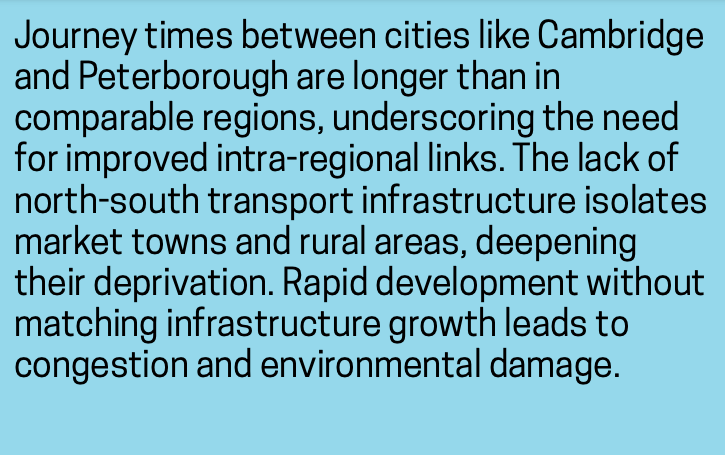
Above – CPCA Shared Ambition (Oct 2024) p18
“Journey times between cities like Cambridge and Peterborough are longer than in comparable regions, underscoring the need for improved intra-regional links”
Don’t blame me – I suggested the loop concept to underpin new unitary councils.
This was my proposal for a ‘Greater Peterborough’ loop linking it to Wisbech, Ramsey and Chatteris.
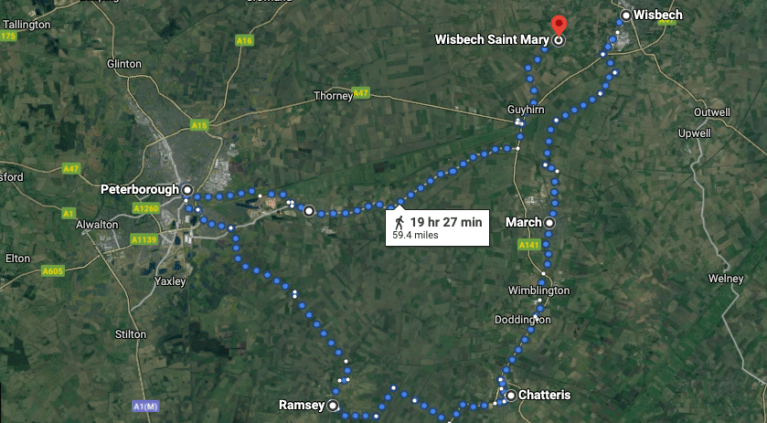
Above – a concept of how a Peterborough sub-urban or light rail loop line could connect up the cut-off Fenland market towns. CTO 11 January 2022
Note the line between Chatteris and Ramsey – the latter which now could incorporate the proposed reservoir and leisure lake, also could form the northern part of a Mid-Cambridgeshire loop from Cambridge.
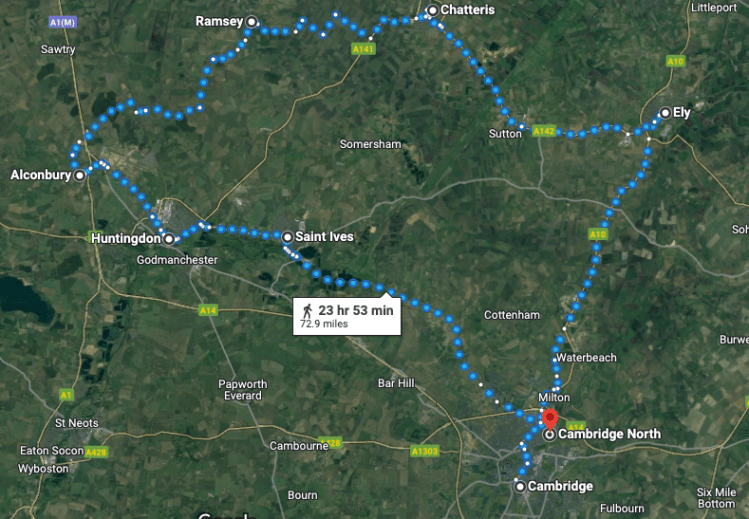
Above – making use of/upgrading the guided busway to a Tram-Train*, such a loop would make both Ramsey and Chatteris ideal locations for firms that wanted access to both Peterborough and Cambridge but not incur the huge costs of renting large premises there.
(*“Tram-train is the operation of a rail vehicle on both tramway and heavy rail infrastructure, offering seamless journeys for passengers to the heart of city centres. It blends together the challenges of both railway and tramway into one project, but offers benefits that neither form of transport alone can offer.”)
Rail Future commissioned Jonathan Roberts to look at the road traffic vs rail traffic in East Anglia
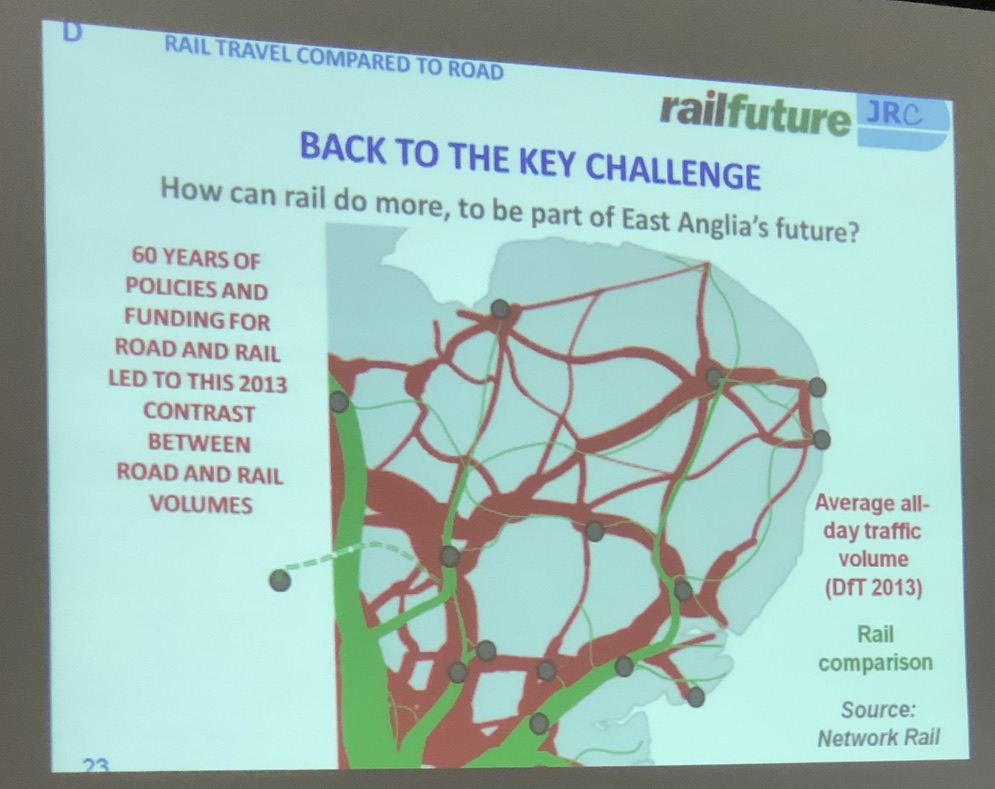
Above – Jonathan Roberts Consulting to Rail Future East in CTO 12 December 2022
Sadly the document avoids the very difficult – and very Political questions that make or break any future ambitions
They are:
- What governance structures are needed to deliver on the ambitions – covering issues including but not limited to:
- boundaries
- legal powers and competencies
- range and depth of taxation powers
- relationships with neighbouring local councils and how they sit within regional/national functions
- means and methods of scrutiny and accountability
- How will the governance structures evolve as more homes are built (assuming the climate emergency does not bring things to a standstill) and as populations increase – mindful that Cambridge’s population within its 1935-era boundaries has increased by 50% since the early 1990s.
Talking of housing need Cambridge City Council already has its own council house waiting list. If I wasn’t living with my parents I’d also be on that list
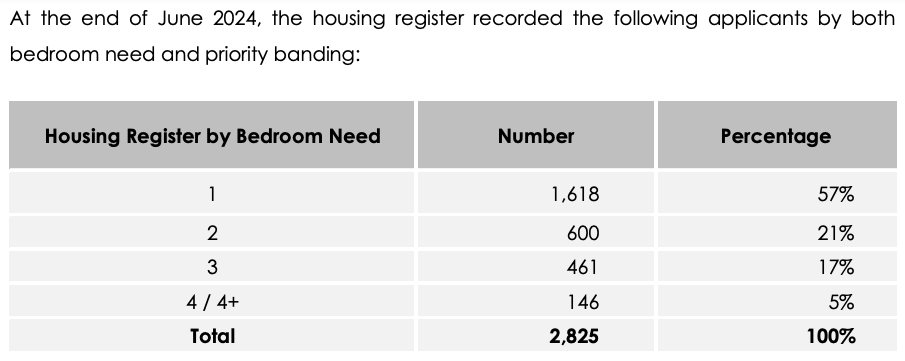
Above – Cambridge City Council Full Council 10 Oct 2024 item 6a – HSC Final p11
You can see why the policy of Right to Buy (Especially for the larger homes with more bedrooms) without a like-for-like replacements being provided with the receipts was a catastrophic policy for local councils. Combine that with underfunded enforcement functions and you have a slum landlord’s dream. Which reminds me, for those of you in rented accommodation (private or social/council), Cambridge Acorn’s AGM is coming up at Rock Road Library on 12 Oct from 2.15pm (i.e. just after it closes, so feel free to browse the local history section if you get there early!) It’s part of the wider Acorn Community Union that campaigns on issues raised by people mainly in rented accommodation.
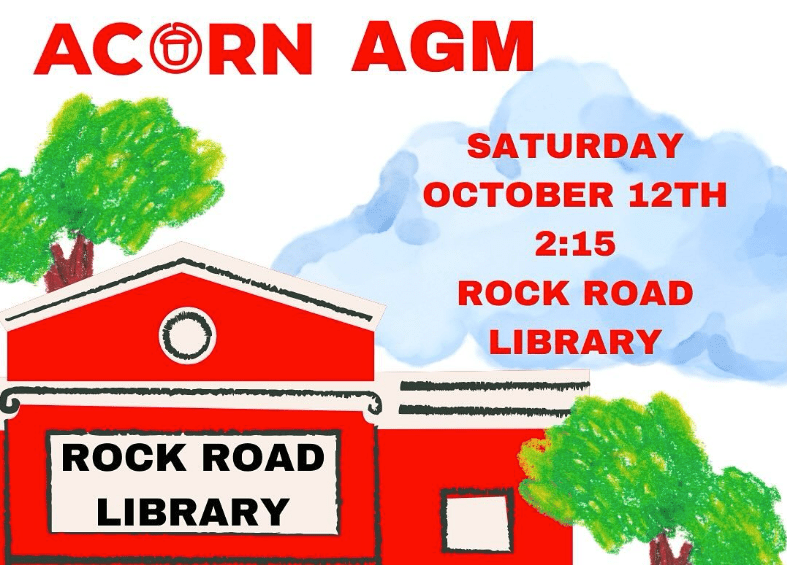
Above – from Acorn The Union Cambridge here – and you can see Rock Road Library on G-Maps here.
And finally…the state of the region 2024?
***I dare you to read all 229 pages of it! I double dare you!!!***
Above – Item 13 by the CPCA – you can also view the summary slides (there are still 67 of them!)
Note on the land use map in the summary slides, Cambridge spills over its 1935-era boundaries.
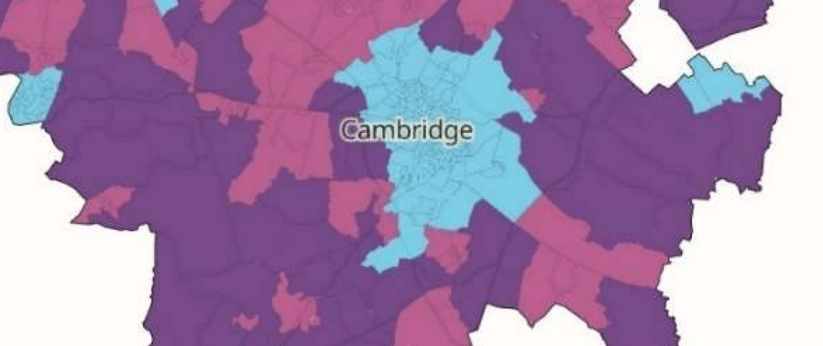
Above – CPCA Slides Oct 2024 Item 13, p16
The structural problems with governance and the funding of public services essential to the economic, social, and environmental wellbeing are illustrated in the graph below
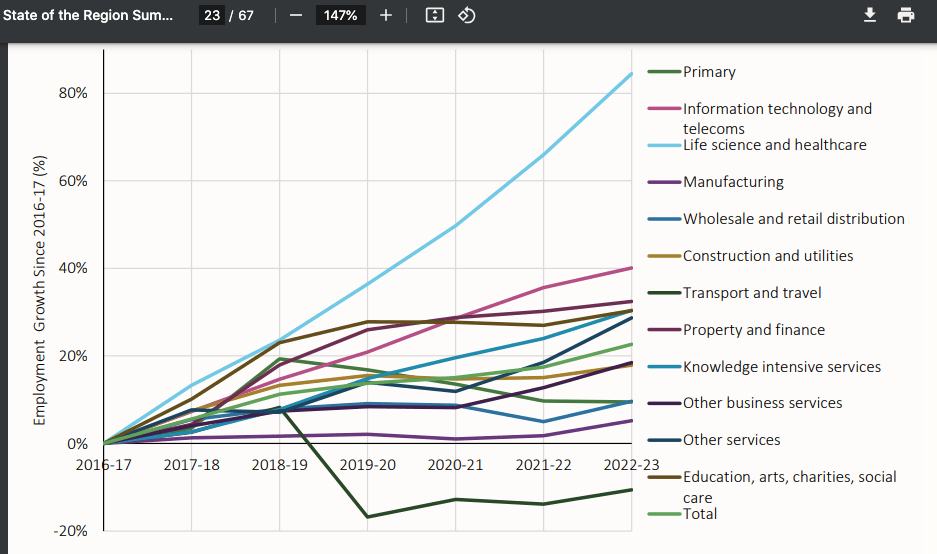
Above – note the collapse in the number of people working in transport and travel ***despite*** the shortages of public transport workers CPCA State of the Region Summary Slide Pack – October 2024 p23
In the meantime, knowledge-intensive services booms. A city full of smart people stuck in stupid traffic? Again, it’s not more government money that Cambridge needs, rather a governance structure that enables the local and regional tiers to tax the bubble and wealth being generated here so that ministers can spend central funds on parts of the country that really need it.
Furthermore, a national industrial strategy should be able to designate those former manufacturing powerhouses as places that could/should be making the components, tracks, and rolling stock that places like Cambridge should be buying from – thus helping redistribute that wealth to other parts of the UK. And it’s not just supply chains but also skills – for school leavers and career switchers alike. What is the long term strategy? What facilities are needed and where?
Cambridgeshire’s participation rate for education and training for adult learners is woeful
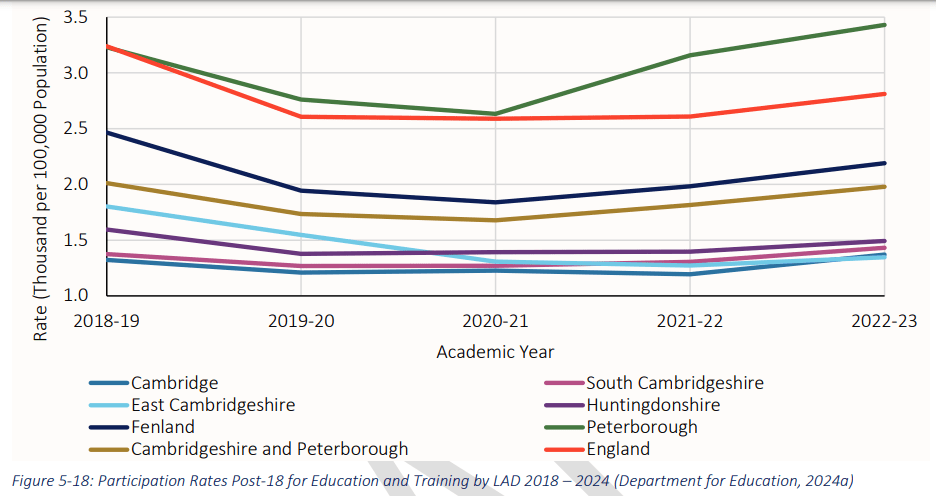
Above – CPCA State of the Region Summary Slide Pack – October 2024 p80
On further education generally, we see that if we once had a culture of lifelong learning, we’ve long since lost it
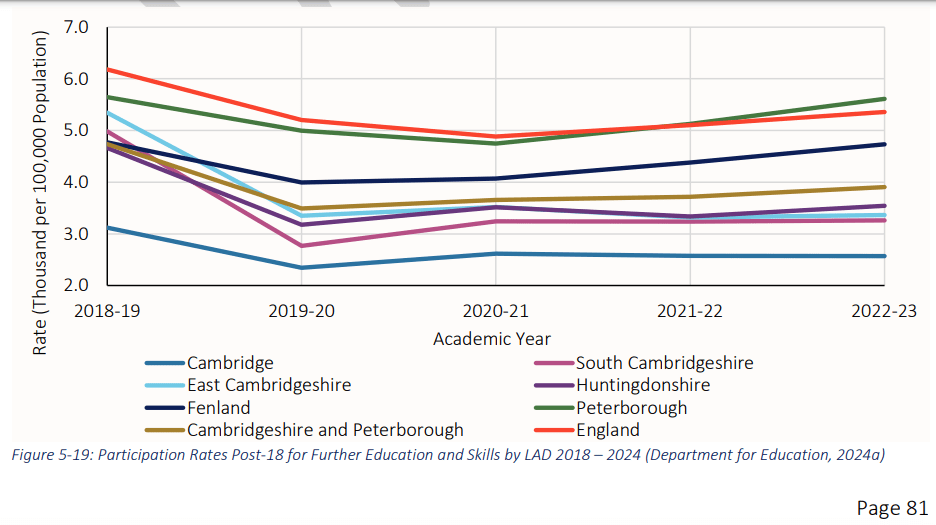
Above – CPCA State of the Region Summary Slide Pack – October 2024 p81
Which makes citizenship and democracy education all but impossible in Cambridge if we’ve got fewer than 3,000 people participating in post-18 further education.
With the county council and mayoral elections coming up in just over six months time, which of the candidates and the parties want to start talking about their vision for the future – and their ideas to overcome these huge challenges? (Alternatively, book a library meeting room or other community/cafe venue for your own event)
Food for thought?
If you are interested in the longer term future of Cambridge, and on what happens at the local democracy meetings where decisions are made, feel free to:
- Follow me on BSky <- A critical mass of public policy people seem to have moved here
- Like my Facebook page
- Consider a small donation to help fund my continued research and reporting on local democracy in and around Cambridge.
Below, the Joint Strategic Needs Assessment: Similar issues are covered from a health perspective. Have a read – for it makes the link between local development planning/town planning and public health/improving our health.

 The Cambridge Town Owl