The Cambridgeshire and Peterborough Combined Authority have neither the funding nor the powers to provide for one – and neither do its partner institutions
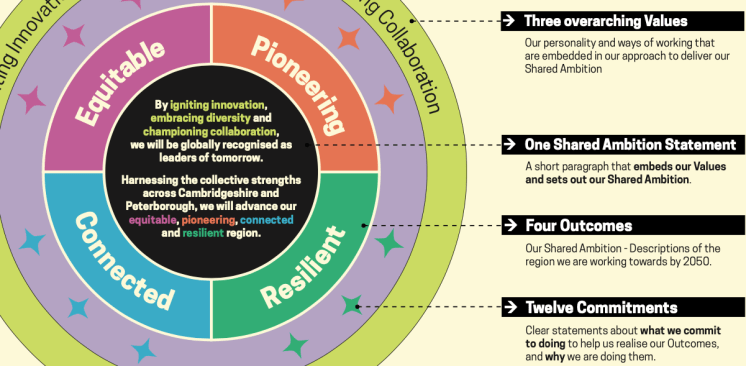
Let’s not kid ourselves into thinking that anywhere in England has got a ‘world class offer’ on adult education and lifelong learning. Which is why I was astonished to see this background paper for the upcoming CPCA Board Meeting on 13th Nov 2024 embedded with the subtitle in the image below.

Above – from the CPCA here. The agenda item is at 15b here, click on the PDF and follow through the links on the Board Paper.
The paper itself recommends:
“For the Combined Authority to work with partners and stakeholders to develop a new Adult Skills Commissioning Strategy 2025-2028“
The House of Commons Education Select Committee told the country what the state of adult education was across England in its select committee report back in December 2020. Its top recommendation was to have a lifelong learning centre in every town in England. In Cambridge we’ve got nowhere near achieving that despite the best efforts of campaigners to try and persuade (amongst others) the sci-tech bubble to stump up the cash to build one. After all, they are the ones continually complaining about the chronic skills shortages in the economic sub-region.
The background literature
I’ve digitised some pre-Millennium publications here on adult education and lifelong learning. In the grand scheme of things, the sector and policy area has never recovered from Thatcher’s cuts because that government ripped the heart out of in-house provision supported by local government, and also shredded the links between local industry and not-for-profit providers such as the Workers’ Educational Association as a result of policies that destroyed the UK’s manufacturing base – with devastating social consequences.
Don’t talk about ‘adult education’ when you mean ‘vocational skills to fill the chronic skills shortages
Because adult education and lifelong learning goes far beyond training and retraining people for a local jobs market – and as the Combined Authority stated in its 2020-25 strategy, demand far exceeded supply.
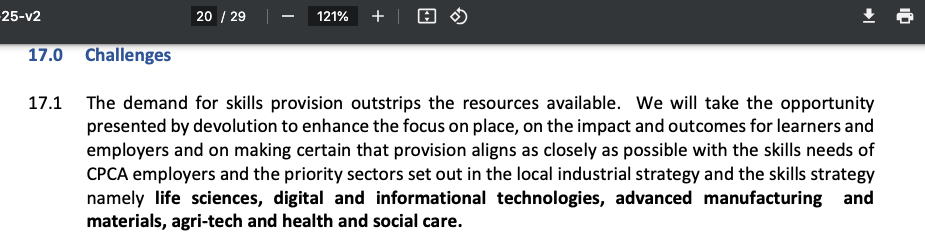
Above – from the CPCA here, p20
Note the Combined Authority ahd no powers to tax the wealth generated locally by Cambridge’s sci-tech bubble to increase capacity to meet that demand. Not that we actually had the buildings and facilities to provide for all those people who might have been interested – and not that there were any cost-of-living/maintenance grants available for people to pay their rent and food bills while unable to work due to retraining.
And if the past couple of days has not re-enforced the importance of having a society literate in civics, citizenship, and democracy (and in media and disinformation) then I can’t help you.
One excruciating gap in further education compared with times gone by is the lack of opportunities for 16-19 vocational students to learn about citizenship – or as the case study below left demonstrated in the 1960s: ‘Adulting’

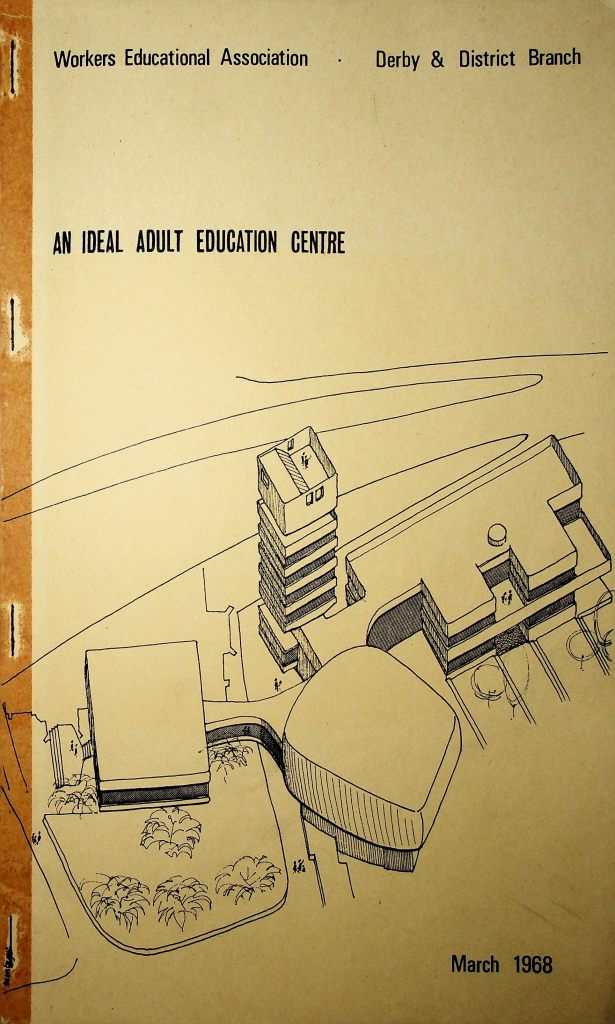
Above-left, On Citizenship (1966) by D. Thomas. Above-right: An ideal adult education Centre – Derby WEA 1968.
In fact, we cannot even get the basics right on what people and society need to know in this rapidly changing and evolving era of ours where my generation of 1990s teenagers at least were ‘educated to be ignorant’ – lacking in the practical skills that we might need in the face of civil contingencies/disasters, through to the basic knowledge of how to exercise our vote. (Have a look at some of the publications from before that era here). No, I still have not forgiven the Tories for that one!
Fast forward from the 1990s to today, and what has science and technology discovered since we left school? At least school leavers in the post-war years had something of an adult education service to provide for it. Today?
Above – Basic Science Education for Adults (1981)
Given the growth planned for Cambridge, you’d have thought that lifelong learning introducing town planning as a subject might be useful.

Above – at least someone in the 1960s decided that the public should know more!
That publication was followed up a few years later by The Skeffington report on involving the public in town planning decisions
Which is why projects such as The Cambridge Room and The Trials of Democracy in Cambridge could be important in helping shake things up. Not least with Mayoral and County Council elections in under six months time.

Above – The Trials of Democracy
What challenges can you put to the political parties now, and for the candidates when they are announced in late March 2025?
Food for thought?
If you are interested in the longer term future of Cambridge, and on what happens at the local democracy meetings where decisions are made, feel free to:
- Follow me on BSky <- A critical mass of public policy people seem to have moved here
- Like my Facebook page
- Consider a small donation to help fund my continued research and reporting on local democracy in and around Cambridge.
A reminder of the CPCA’s Shared Ambition consultation – which must include lifelong learning – surely?
 The Cambridge Town Owl