A social innovation day on Friday 07 Feb 2025 from 10am-5pm
It will be interesting to see the demographics of the group that turns up to participate. Not least because anything during the weekday inevitably excludes young people at school/college, and anyone working weekdays during the day. See also the previous report on democratic engagement published by Cambridge City Council back in July.
“Despite unparalleled global connectivity, communities are fragmenting, leading to slowed economic growth, reduced social mobility, rising loneliness, and declining trust in institutions”
The RSA from Andy Haldane’s intro text on the video, 21 Jan 2025
A reminder of what the former Chief Economist at the Bank of England said earlier this month. (I wrote more about Mr Haldane’s remarks on social capital here, and you can put your own Qs to him when he speaks in Cambridge on 18 Feb 2025). One of the reasons why I like the 4-Day-Week concept is that it allows people to make the choice to take part in community activities in a way that the current working week prevents. Not that such a single policy will solve everything. There is no single policy or action that can do this. Because the public’s sceptical response of the staff reductions involved will be along the lines of employers going bust because of the costs of filling the vacancies created by people working fewer hours for the same pay.
Hence a 4-Day-Week policy alone won’t work – it has to be part of something that looks at the components of the costs of production. Such as identifying where the unproductive leaks in the system are (for example excessive property rents, monopoly abuse, profiteering, and wider market failures eg the energy industry) that enable the accumulation of excessive wealth in the hands of the few. If anything, that’s what needs taking on first – not just in terms of research but beyond that into wider public policy and political debates. The excessive housing costs were an issue that came up at TeaCambs2 earlier this afternnon. (The next one is on 09 Feb 2025 at The Rock Pub – because Stir Cafe is proving extremely popular even on a cold windy Sunday with a yellow weather warning of wind and rain!) You can organise your own TeaCambs2 gatherings as well – might be something to have before next Friday’s event at the Guildhall mentioned above? (If you can’t make that, see The Trials of Democracy who are back in front of the Guildhall on Sat 08 Feb 2025 from 11am)
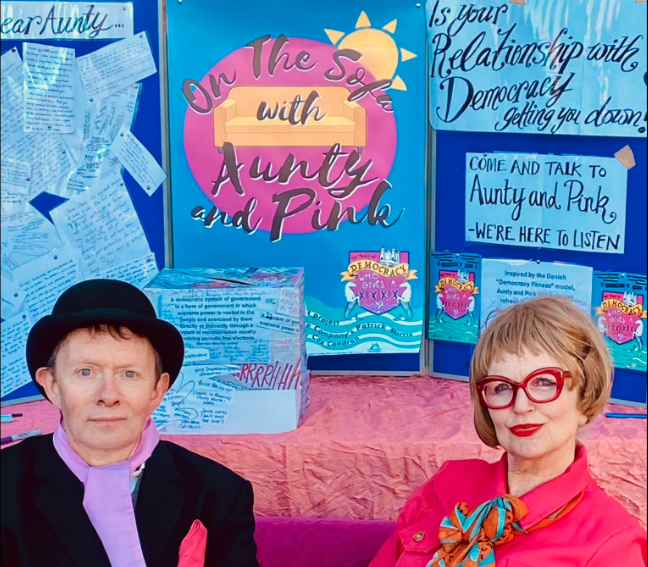
Above – Recognise these two democratic hoodlums?
They want to know how your relationship with democracy is going – daytime TV talkshow from the 2000s style! Got something on your mind? Let Menagerie Theatre’s Trials of Democracy project know!
TeaCambs2 informal mini-book clubs
Every six months or so I go on a second-hand-book donating spree to local charity shops – the sort of books I buy as impulse buys thinking someone might find them useful or as stock for the workshops I run for participants to take away with them.
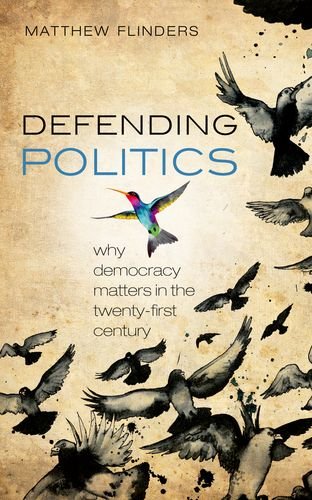

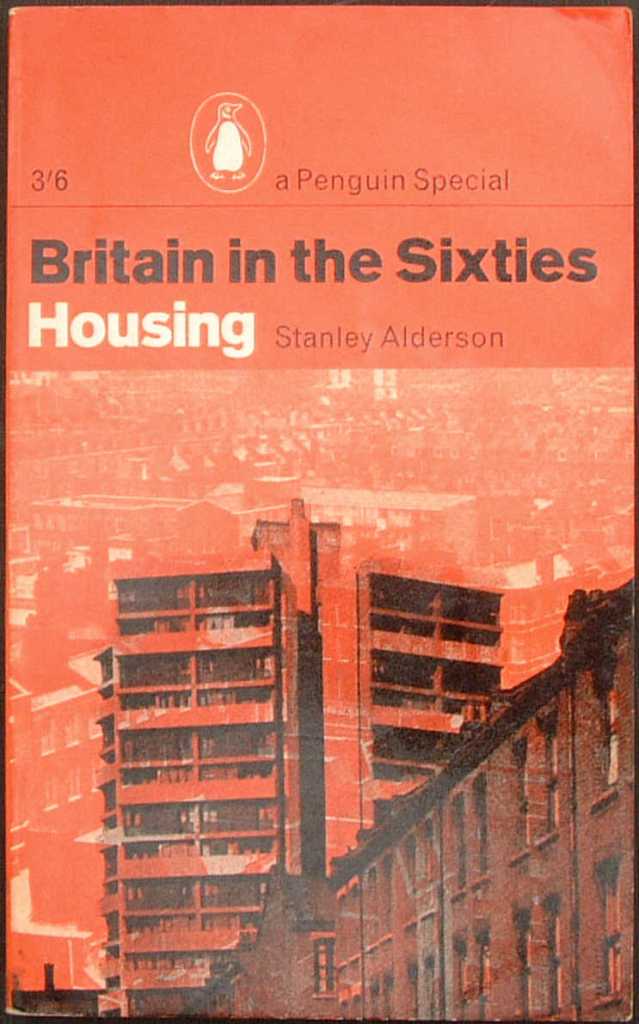
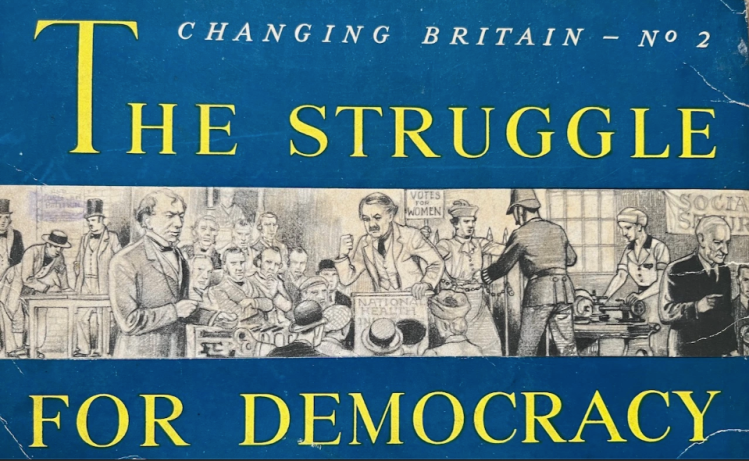
Above – because politics and democracy need defending, and also because books from the olden days
See the Penguin Special back catalogue here, and then browse some of the second hand sales listings on ABE here, or alternatively via Oxfam Books online here.
Back in July 2023 I featured a superb book called How to be a global citizen which I also followed up with a couple of public questions asked on my behalf (see items 12 and 13 of the Combined Authority’s Skills and Employment Committee here). What I like about the book is that it gives a solid grounding about a person’s relationship with their local community rather than starting from the perspective of political institutions. Hence it’s not until later on in the book that politics and voting are discussed.
As several years have passed since it was published, there are lots of second-hand copies going cheap (but if you can afford to buy the brand new version, see Hive Bookshop Online here and support authors). Here I’m thinking about the re-using resources currently sitting in a warehouse somewhere primarily by people who are on very low incomes.

Above – I propose that books discussed for local TeaCambs2 informal mini-book clubs cost a maximum of £5 and that they are donated to local charity shops once finished.

Above – Politics for Beginners by Usborne – a great, simple introduction written for late primary/early secondary school reading ages
Usborne’s For Beginners series is covering a growing set of topics and is also useful for adults that don’t want dense, text heavy introductions. The same goes for the discussion guides for young people published by the Great-Shelford-based Independence Educational Publications – which surprisingly few institutions in Cambridge seem to know about.
How to combine the reading with a continued calendar of civic actions
Because local government history is littered with one-off attempts at community involvement that are here today, gone tomorrow, and forgotten about when the next set of cuts are proposed/imposed. And my worry is that Build a Better Cambridge could go the way all of my failed attempts over the past 15 years have gone! (With the exception of Puffles the Dragon Fairy who actually got a new dragon out of the city council!)

Above – me and the Coleridge Dragon – inspired by Puffles and commissioned by Cambridge City Council in 2015. Photo: Cambridge Playlaws Project
Funnily enough, the above picture is from a blogpost asking how to make sure democracy and citizenship engagement activities connect with the many, not the few. Which is why I hope to see how the results of that one day next month will involve something in terms of follow-up activities mindful that:
- Councillors still need to state what the replacement for the old area committees will be
- Councillors need to come up with a consultation programme for the restructure of local government in Cambridgeshire due to changes in government policy
- Getting the best out of 1) and 2) require some sort of educational process for a critical mass of residents on the very basics of how politics and institutions of state in England function.
Mayoral and County Council elections – start organising hustings now
This also came up at the TeaCambs2 mini-gathering earlier: having a hustings on specific issues. In our case it was housing. One of the things we talked about was going beyond the format that we had for the Friends of the Earth-led hustings back in June 2024. (See my blogpost here, and see the video playlist here).
I suggested that as well as the live-streamed BBC-Question-Time format, after those 90 minutes are up, we move away the chairs and break out into groups, the total number of which should be (Total number of candidates + 1) allocating a candidate per group, with one gap, and then circulating the candidates every 15 or so minutes. That way there are multiple conversations between candidates and the public, and also a spot for each group to have a break where they can discuss what they have heard so far with each other.
The challenge as always is getting the publicity of such events out to people who might not normally attend them. Furthermore, given the experience of last year’s general election hustings, there’s a significant role for briefing the audiences *before* they enter the building! Because at the FeCRA Hustings at Friends Meeting House, I couldn’t keep shut when someone asked why as our local MP, Daniel Zeichner hadn’t done anything about potholes! See the video clip here – and note Mr Zeicher’s response too.
Want advice on how to organise a hustings or election/political debate?
See the guide Chris Rand wrote for Queen Edith’s ward in Cambridge back in 2016 where the Queen Edith’s Community Forum has one of these every year.
If you are interested in the longer term future of Cambridge, and on what happens at the local democracy meetings where decisions are made, feel free to:
- Follow me on Twitter
- Like my Facebook page
- Consider a small donation to help fund my continued research and reporting on local democracy in and around Cambridge. (Chronic illness means I am on Universal Credit)
Below – one of many old books about civic, political, and democracy education that I’ve bought second hand and digitised.
 The Cambridge Town Owl