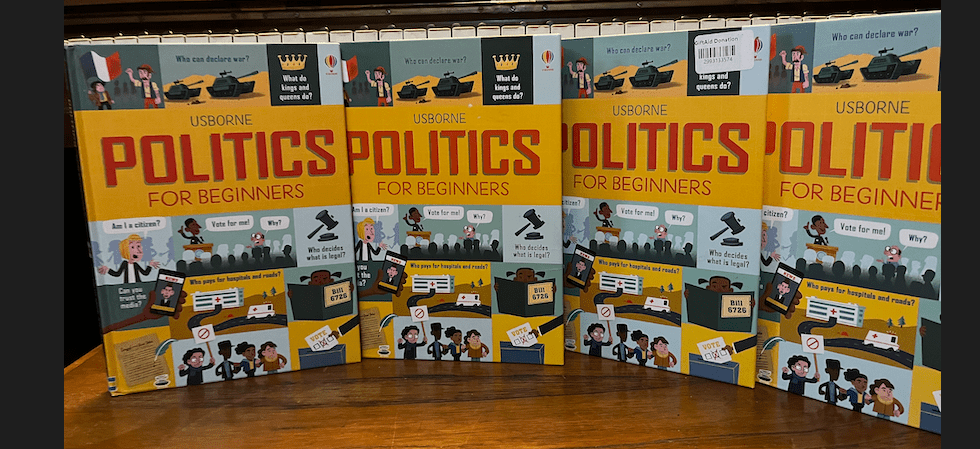
Don’t read this blogpost from a mobile phone or on a device without wifi as it is full of pictures of book covers
Image – four for £10.50 at World of Books (with free postage too)
Coming to a charity bookshop in Cambridge sometime soon!
I’m not entirely sure why I started this blogpost other than a strange desire to get as many book covers of things I’ve read/blogged about into a single blogpost that I can browse through at a later date.
What the titles reflect about me I’ll leave you to be the judge of…


Above – many of these are from the wonderful 20th Century series of Penguin Specials, which feels like a somewhat lost tradition of publishers and bookshops seeing it as a sort of civic duty to help ensure the public (or a critical mass of it) was politically literate
Or at least that’s the impression I get without having lived through the times. I can’t pretend that everything was going well, or even that progress was being made across all fronts. Clearly something was going wrong somewhere when this mini-series was published below.


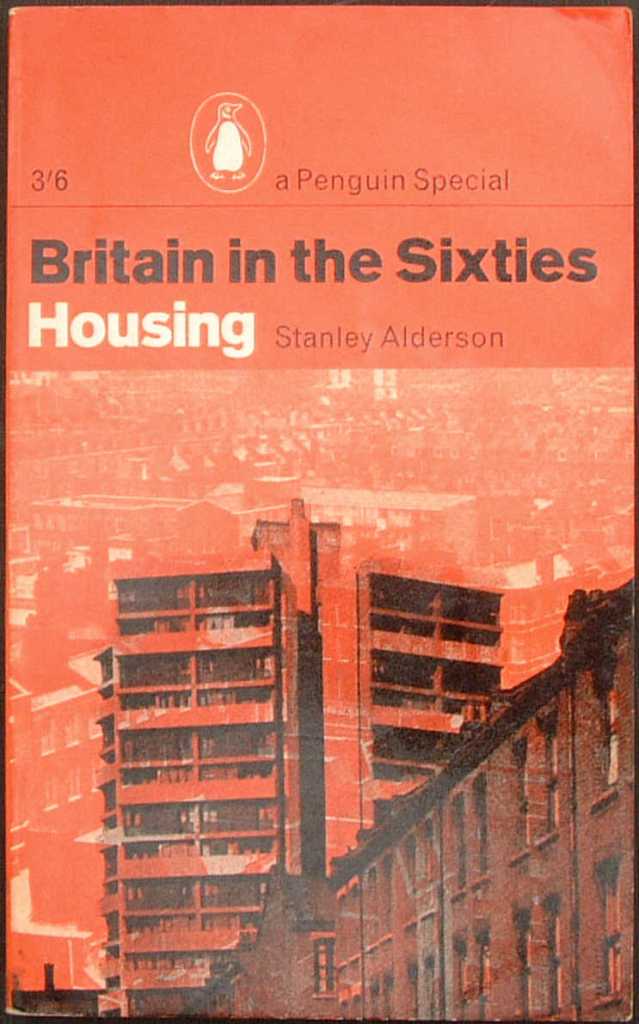
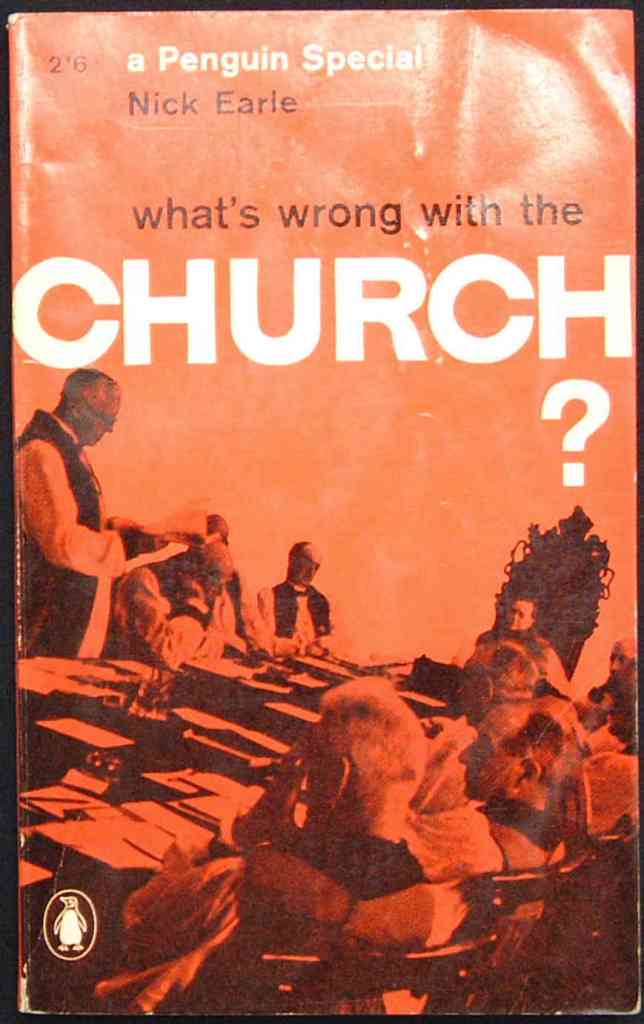

Above – while the housing crisis remains (I can’t recall a time when there wasn’t a housing crisis!), compared with previous eras the Established Church and the trade unions have far less prominence than today.
Which reminds me of the points made about declining social capital by Andy Haldane of the RSA because anecdotally at least, one of the most-oft’ repeated phrases about social change is the decline of social institutions of the centre-right and centre-left – the parish church at the heart of Conservative-voting areas, and the working mens clubs and non-conformist chapels once at the heart of Labour voting areas. To what extent the research confirms or turns over that viewpoint I’ve not looked it up.
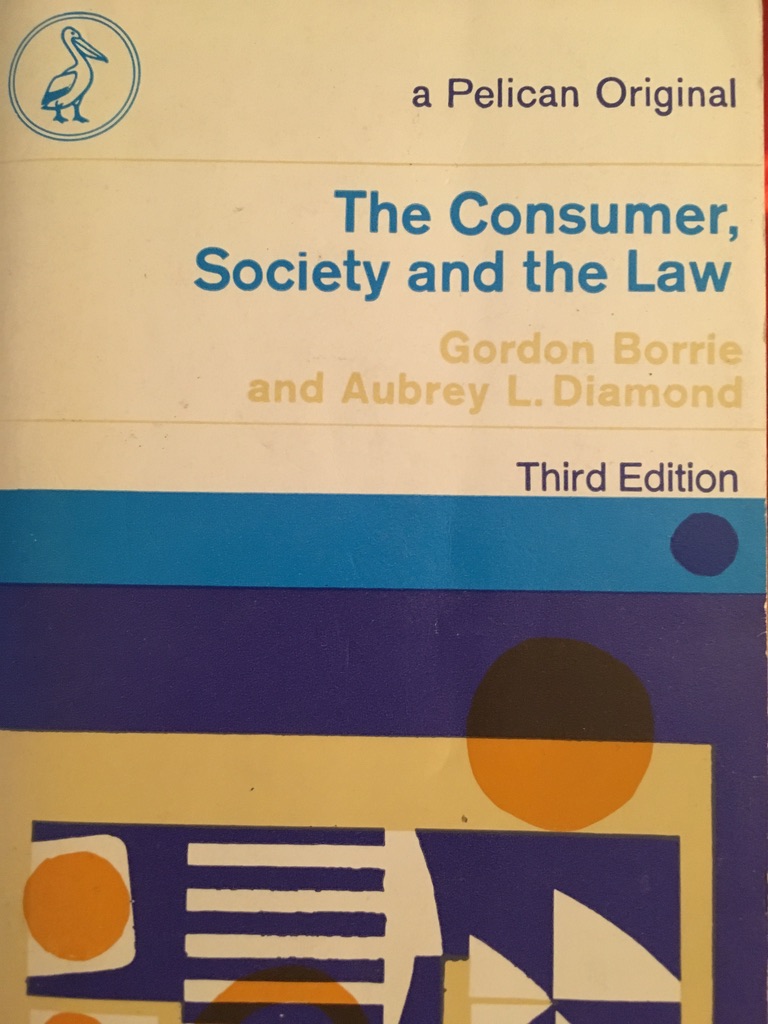


Above – today would all of these be incorporated into business studies of some sort? Or do such syllabuses not examine critically the things mentioned above?

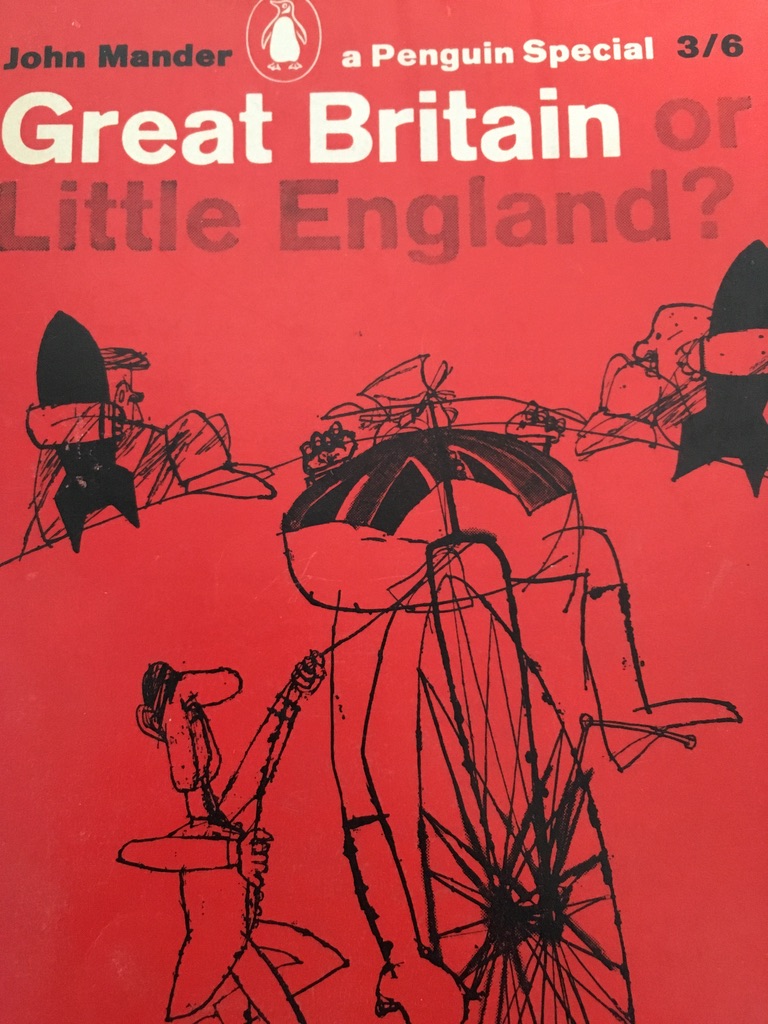

Above – a reminder of devolution and how long we’ve been debating it for

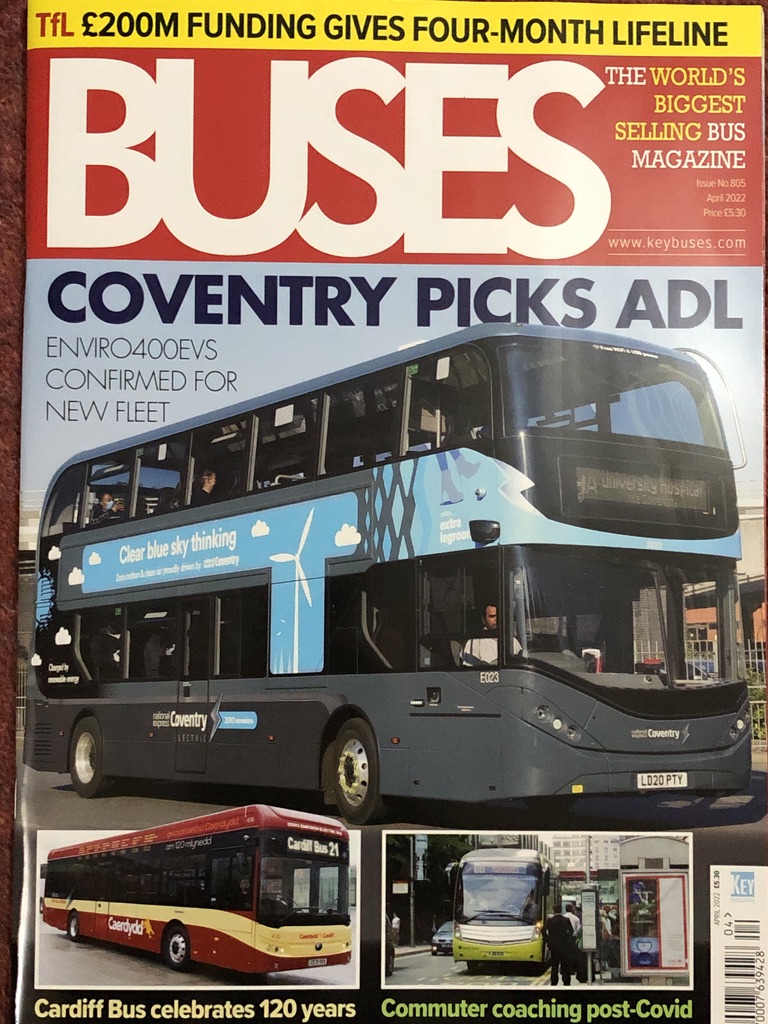

It’s not just books, but contemporary specialist magazines that also make for useful background reading. Even more so in these times in/around Cambridge.
I can’t help but think that local government institutions and the politicians within them should help publicise said publications – if only to help the public come up with a greater number of informed questions for public meetings and consultations. That’s not to say in the GCP they don’t already – that so many have stayed the course shows how important the decisions are and the impact they will have on their lives.
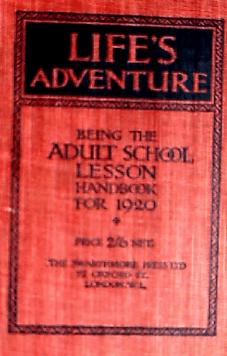


I think it was these publications – and in particular those of the now defunct Adult School Union (some digitised here) that got me thinking about a general studies community learning programme for Cambridge
…because at the moment it feels like there’s nowhere that people can go to or sign up to that has a high enough civic profile to enable the public not only to talk about the changes happening to our city and county, but also learn and gain new knowledge in the process.
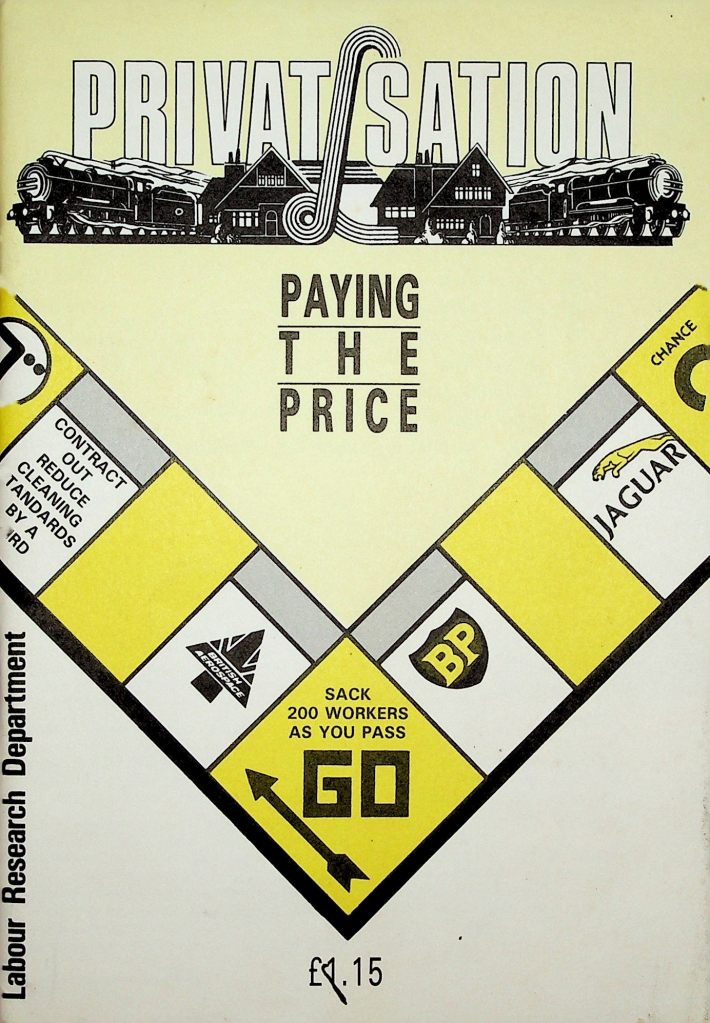
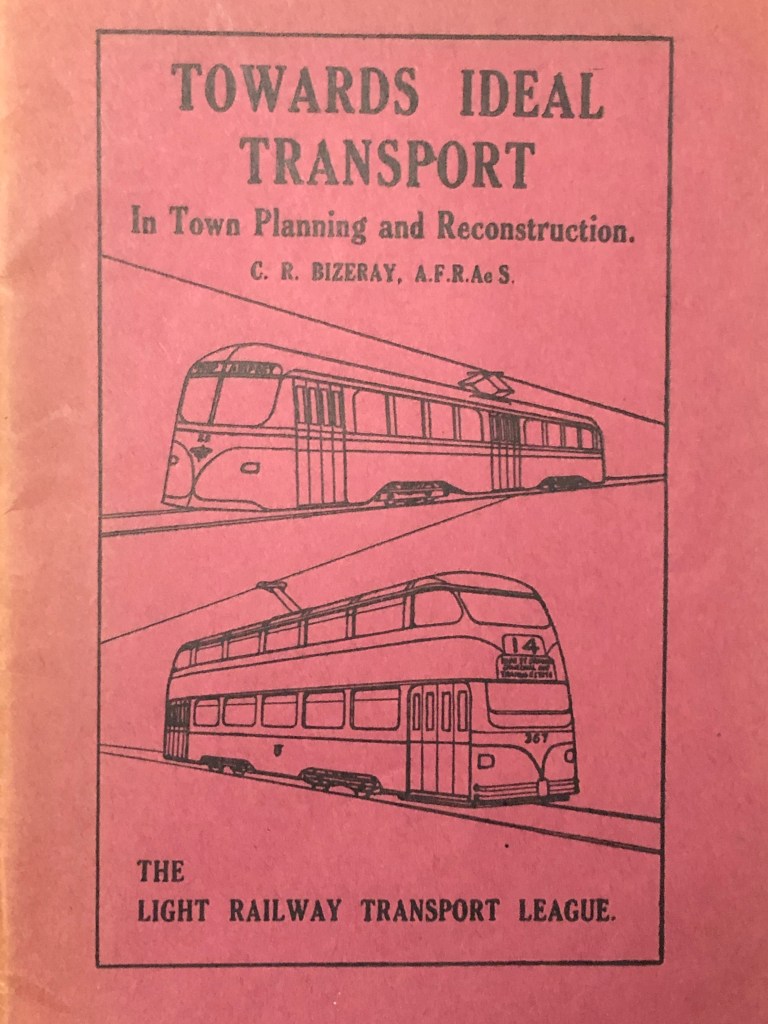

Above – ideals and warnings from previous eras
- Privatisation – paying the price (1987)
- Towards Ideal Transport – LRTA (1944)
- Blue Peter Green Book (1990)
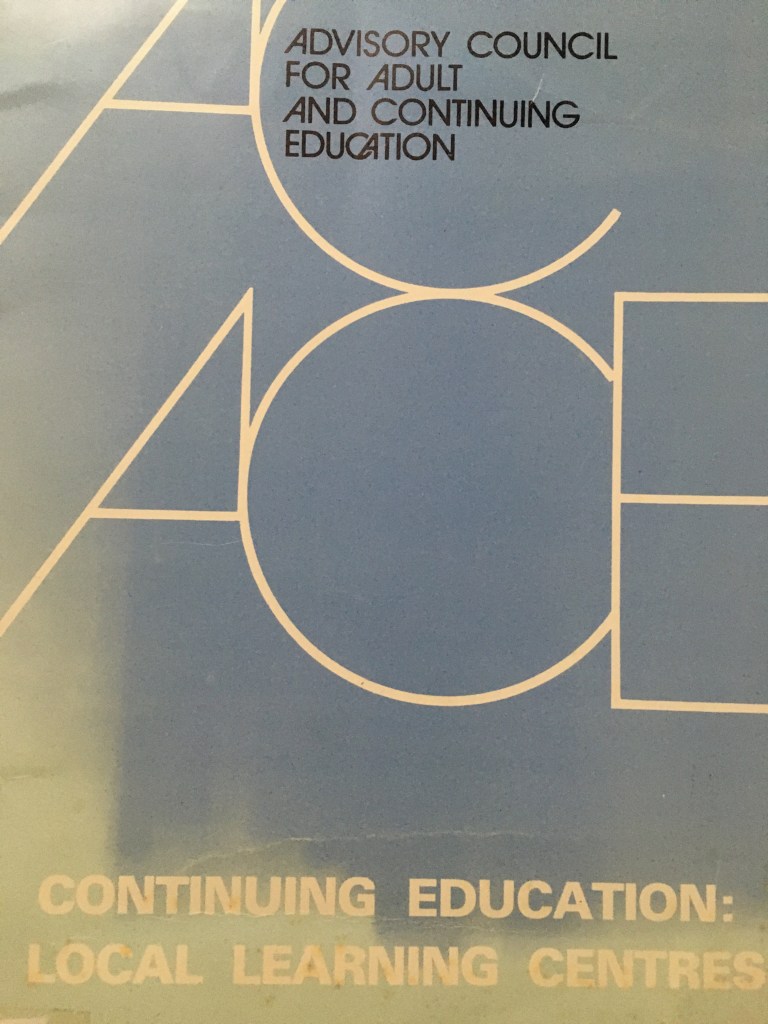

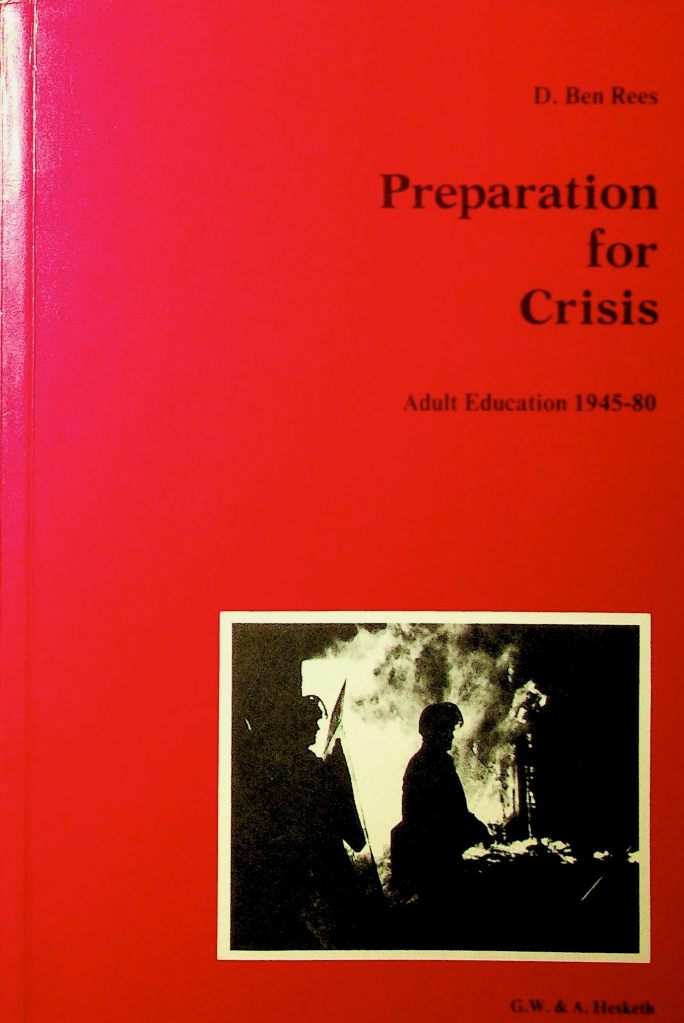
Above – this was when I found out how much adult education for the love of learning had declined since the 1970s
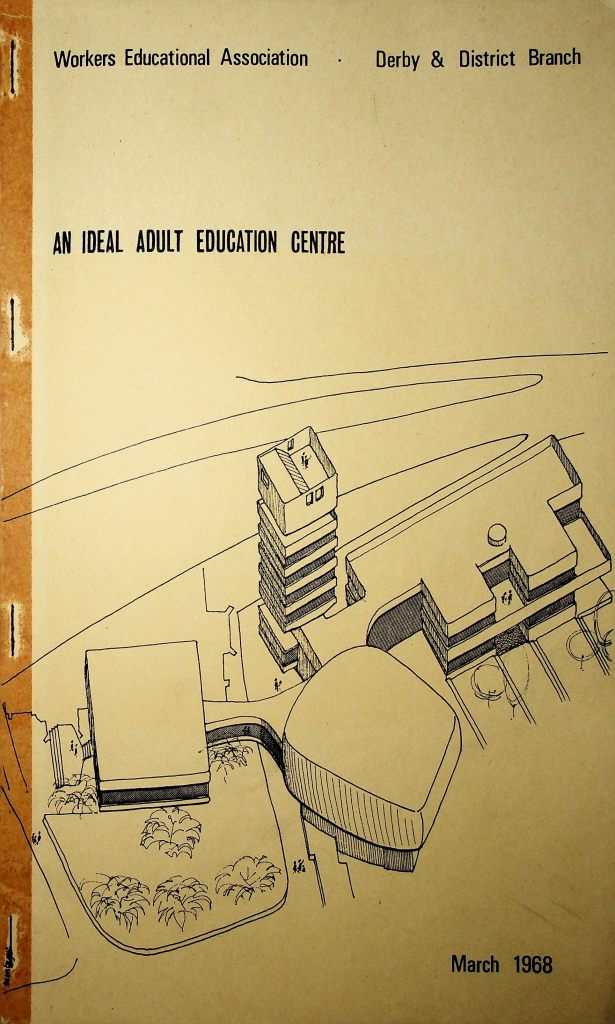
How do you encourage people to get back into education? Build them the ideal premises. What do the ideal premises for an adult education centre look like? The Derby and District Branch of the Workers Educational Association had a go in 1968 with this wonderful publication. I’d like to think we can give it a go in Cambridge in the not so distant future


Also, Mark Henderson’s Geek Manifesto – reminding us of the importance of science learning for politicians, and learning about politics for scientists. Sadly with the exception for the CSAP at the University of Cambridge, there isn’t anywhere for ordinary residents that can bring scientists and politics together – and that remains a structural weakness in our city
The Continuing Education Report by the then soon to be abolished Advisory Council for Adult and Continuing Education published in 1983 still makes for sobering reading. In 2020 the decades of cuts and the impact that they had on communities were finally acknowledged by MPs in the last government with the Commons Education Select Committee calling for a return of community education centres in every town.


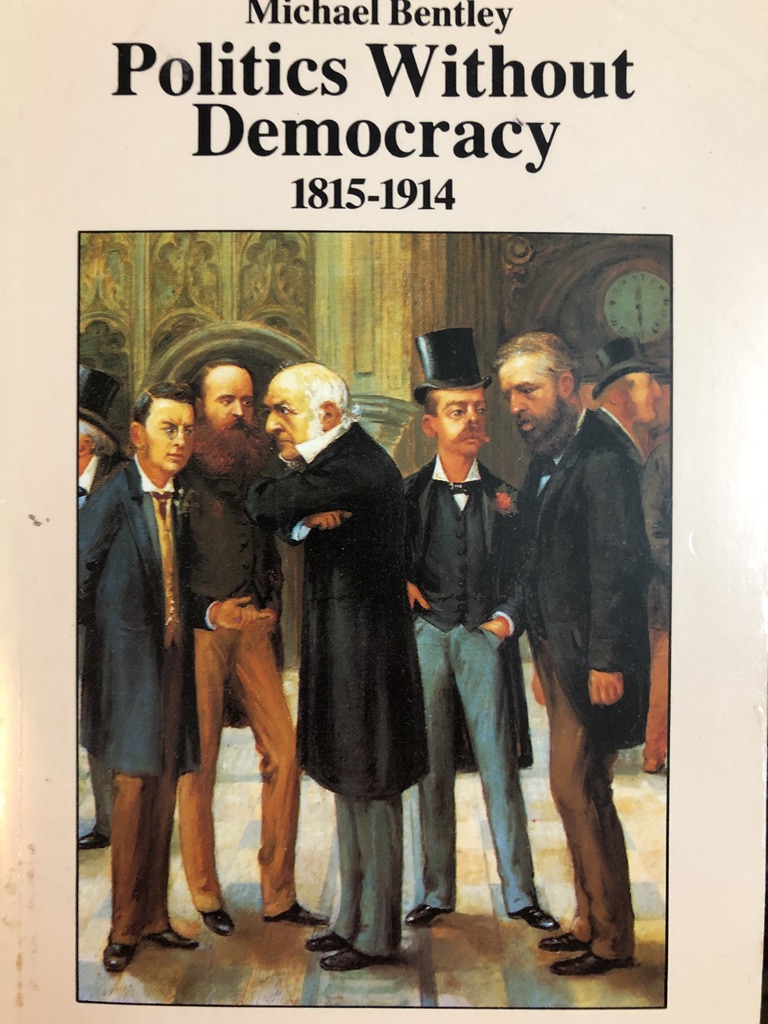
The Privatisation 1979-97 book is worth a read online here because when it was published, the assumptions were still to be tested over an extended period of time. Fast forward 30 years and here we are. What did the Tories of the 1980s and 1990s get wrong and why?
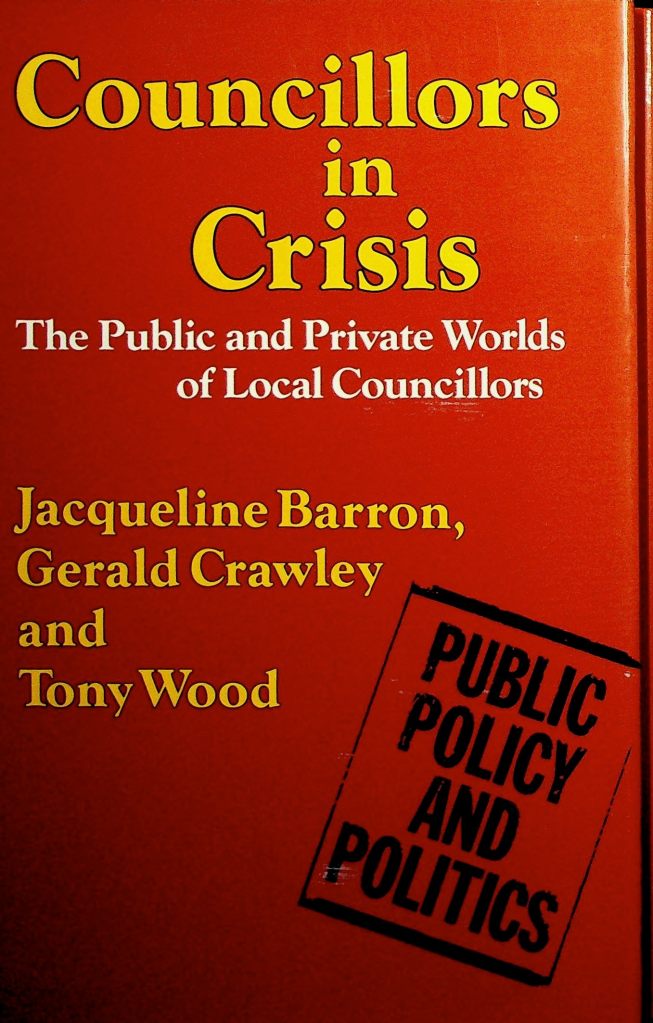
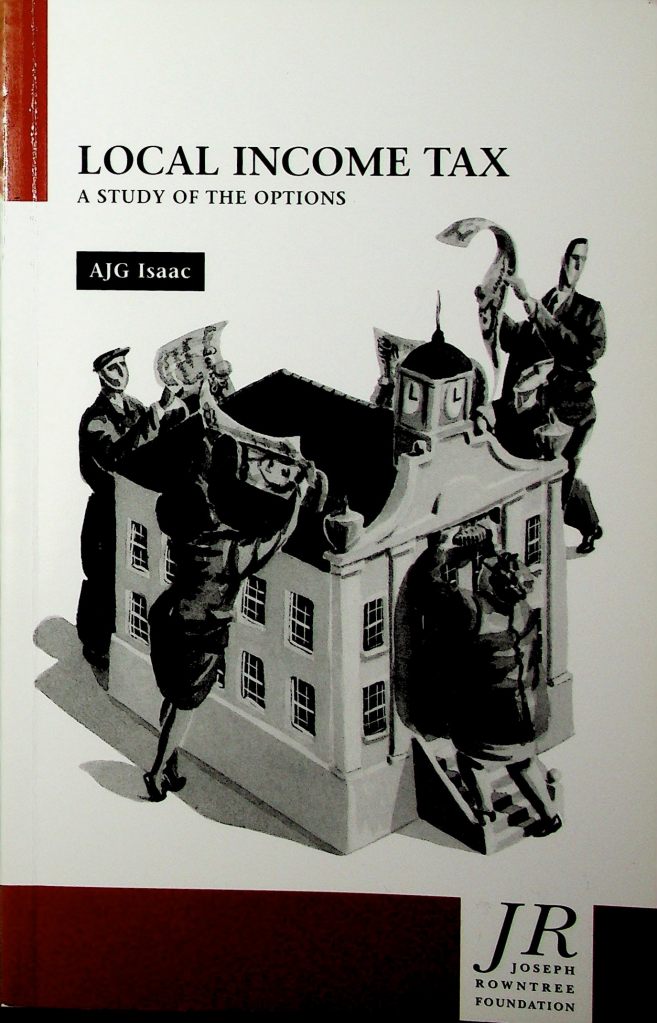

Crisis? What crisis? The way it has always been it seems – perhaps not helped by successive chancellors blocking any attempts to bring in local income taxes set locally. (The Liberal Democrats have proposed that a percentage of income tax receipts of whatever central government raises should be automatically devolved to local government to spend on public services)


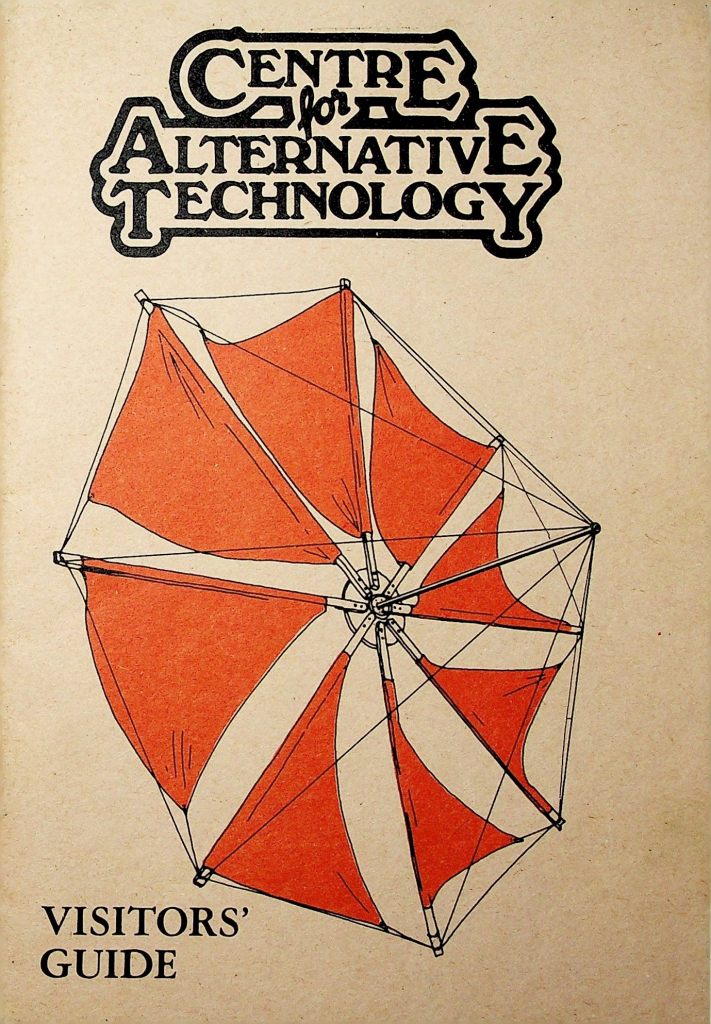
Above – alternative schooling, the original concept by Edward Blishen and The Observer Newspaper over half a century ago was pioneering and radical, in asking children to help design their ideal school. It was repeated round the Millennium, and was featured in The Guardian in 2001 (See here). As for the CAT, it’s still there nearly half a century later.
Strange to think that the generation of the 15,000 or so children that sent in entries in the millennium are probably now parents themselves. Did we learn anything from their suggestions?
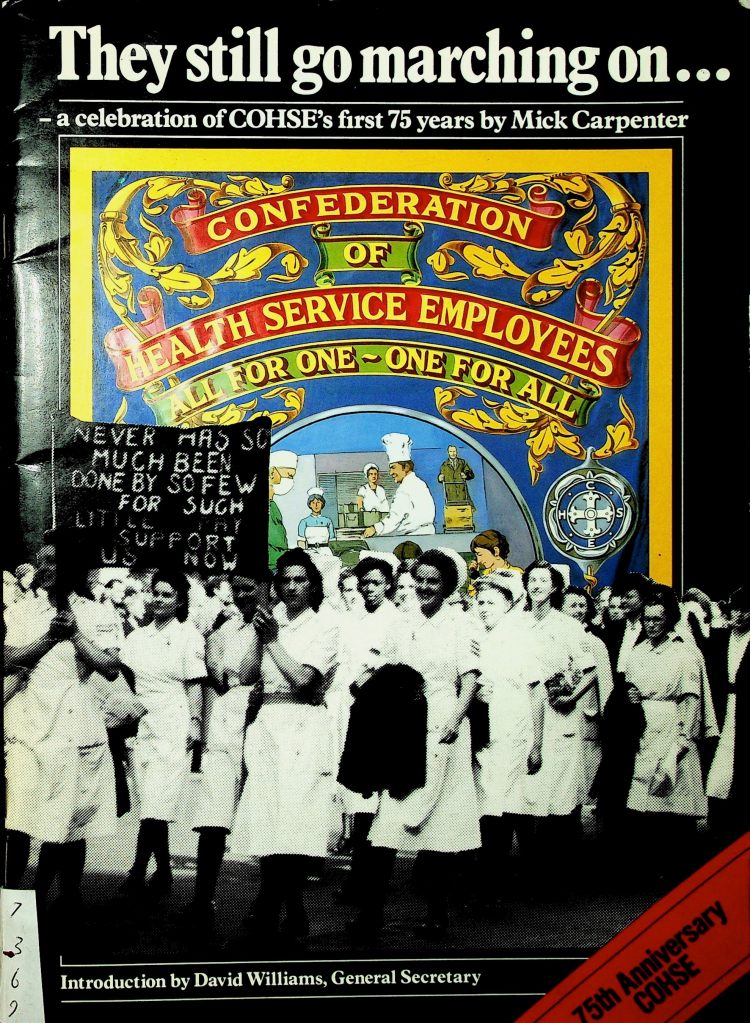


Above – there’s something to be said for the trade union movement (and those at the top of it) commissioning a whole set of new media to promote the movement’s histories and achievements. Films, documentaries, podcasts, social media shorts, books, pamphlets, the lot.
“That’s a lot of books”
And it only takes us up to March 2023 having started at autumn 2020. So…I’ve not been able to get out much. And I hoard books too.
“But not many on Cambridge?”
Strangely enough there are not many, if any books about Cambridge. The thing I’ve found researching Lost Cambridge is that very few people over the decades have researched and written much about the history of our town/city. There were a few points in the past couple of centuries when there were a flurry of publications, but it’s not like there’s this goldmine of civic titles that are able to bypass the books on the University of Cambridge, its colleges, and the various splendid chaps (there are sadly very few books about the women who achieved great things for town and gown) who studied here. I’m hoping the long term impact of this new Cambridge History module might change this.
If you are interested in the longer term future of Cambridge, and on what happens at the local democracy meetings where decisions are made, feel free to:
- Follow me on BSky <- A critical mass of public policy people seem to have moved here
- Like my Facebook page
- Consider a small donation to help fund my continued research and reporting on local democracy in and around Cambridge.

 The Cambridge Town Owl