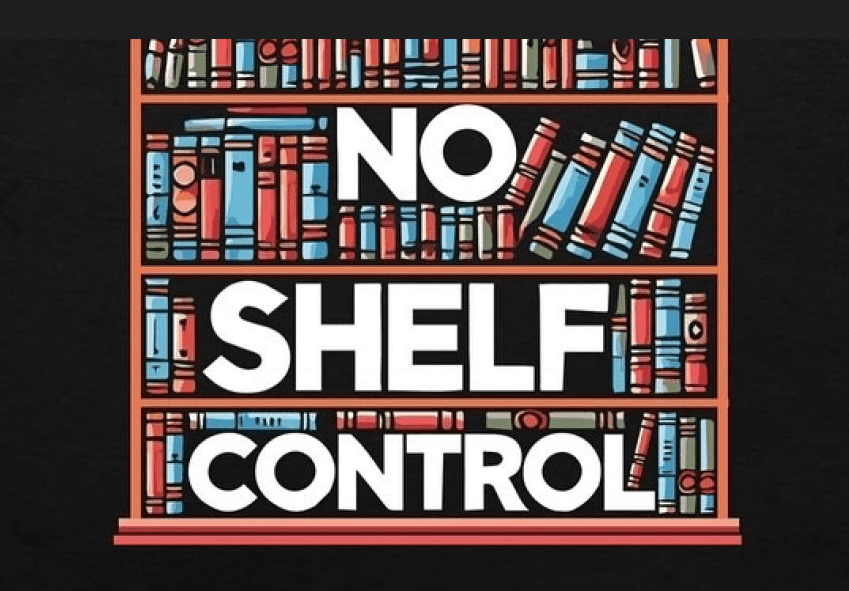
…because I have no shelf control as per this wonderful NewsThump t-shirt design – see their other t-shirts here
Books, books, and more books on democracy
I dropped off another bag of books – ones I hoped I’d get round to reading but never did – at the RSPCA Bookshop on Mill Road because they’ve got one of the biggest selections of the old Penguin Specials – a series I wrote about nearly five years ago. They said they’d love to have more books on democracy and contemporary issues too.
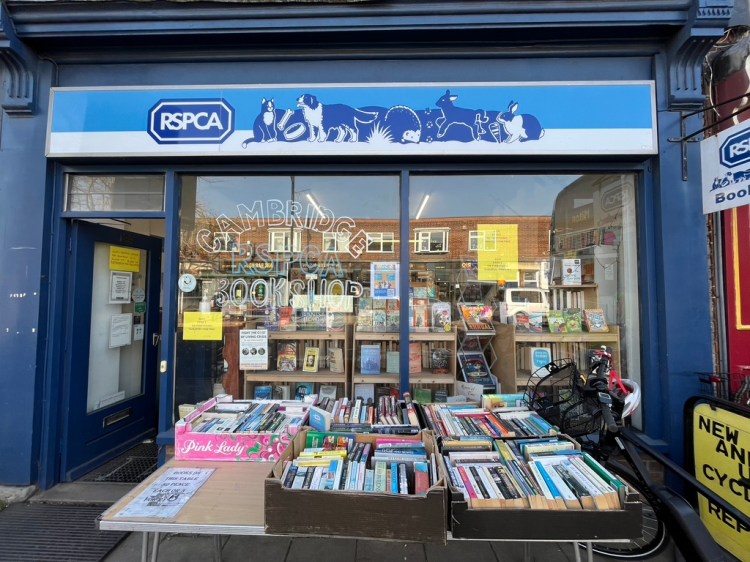
Above – RSPCA Bookshop on Mill Road, Cambridge. Currently with a 3-for-2 offer. They also have a sizeable poetry, military history, and children’s section too.
Book displays in charity shop windows to help make democracy familiar again
For those of you not familiar, my little personal response to the global crisis in democracy is to buy up books about the essentials of democracy currently sitting in warehouses, at highly discounted prices, browse through them, and donate them to local and neighbourhood-based charity shops and local library sales. My view is that such books – especially the children’s books, are better off in the hands of children than in crates in warehouses.
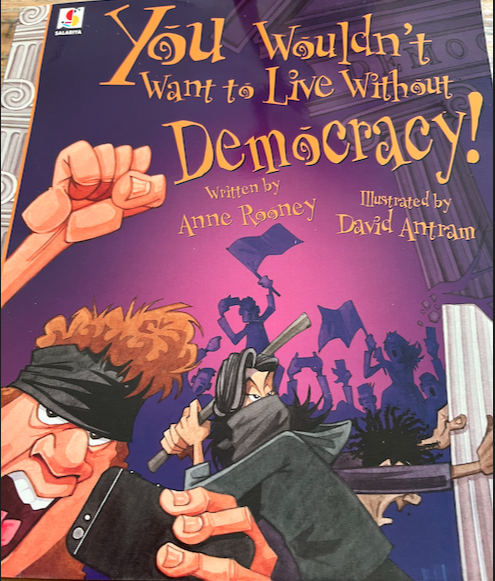
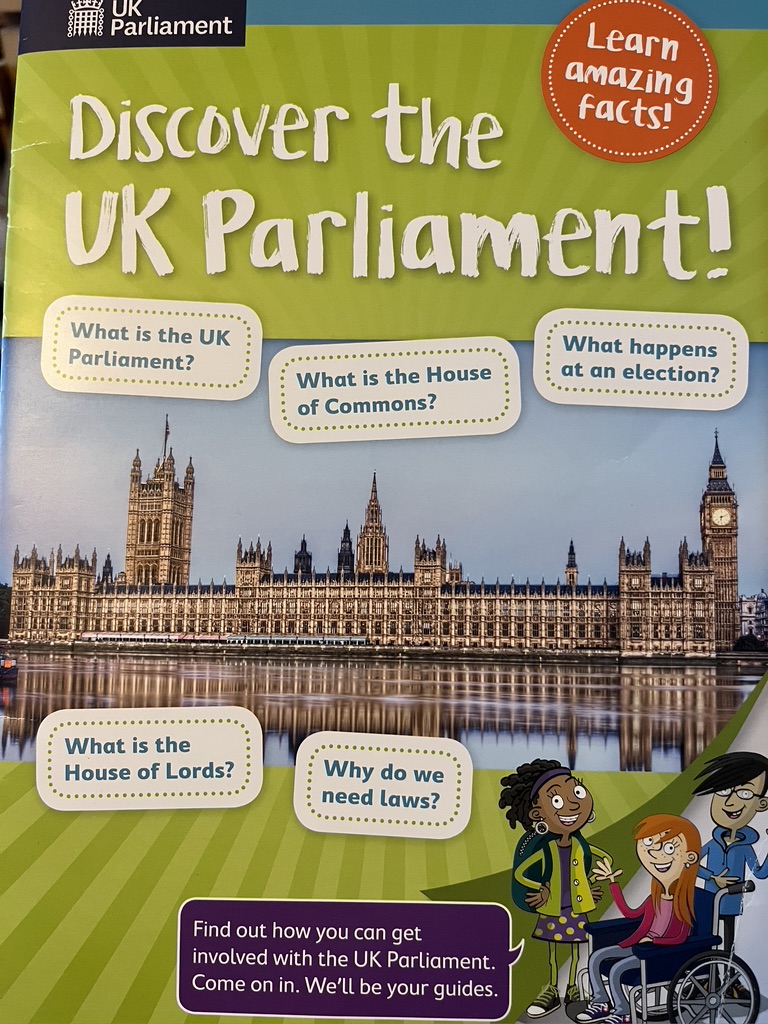
Above – two books about democracy from a depressingly limited range for children
It’s something that people could put pressure on the Department for Education via their MPs to encourage a new range of titles (Usborne have set a high standard here) so that no generation has to experience what my generation had to experience, which was the complete absence of politics and current affairs discussion in school. Only a couple of days ago I found out why this was – in Ruth Lister’s book from 1989 The Exclusive Society, marking 25 years of the Child Poverty Action Group.
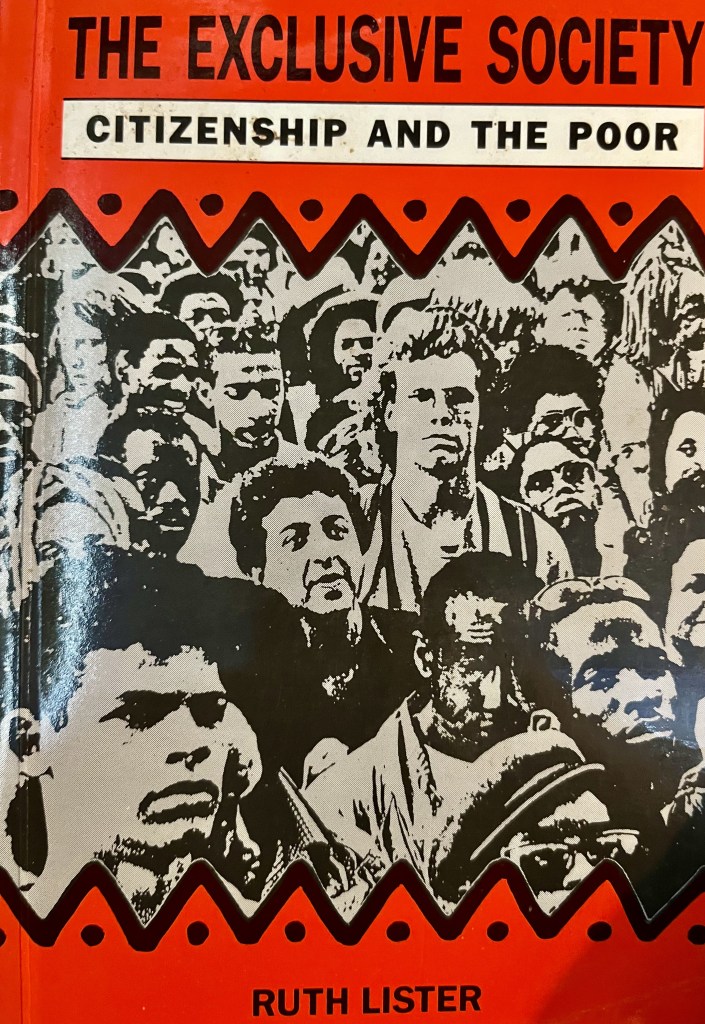

Above – The Exclusive Society (1989) by Ruth Lister – browse online at the Internet Archive
That we still need CPAG around today shows how badly party politics has failed successive generations of children.
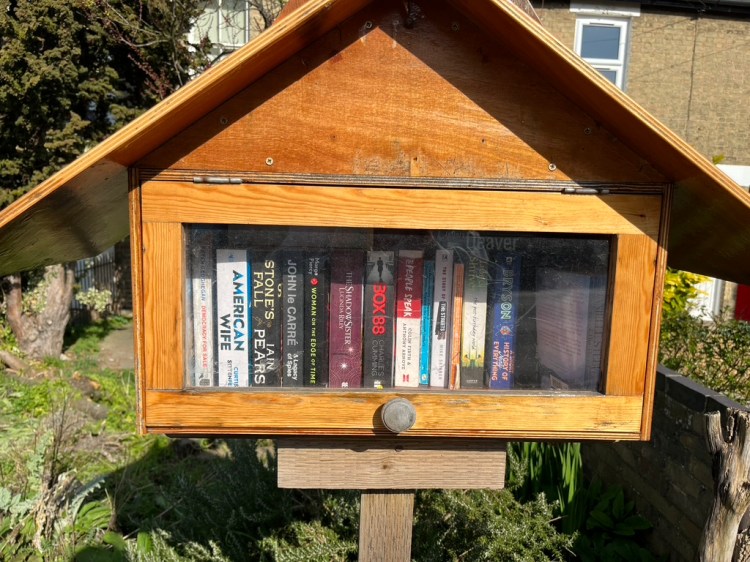
Above – one of the neighbourhood book exchanges in south Cambridge – the handful of books I placed in there a couple of days ago seem to have gone already!
Of the titles that arrived in the past day or two, one of the things that struck me is the very short half-lives that books seem to have – especially anything on contemporary politics. Such has been the huge changes and instability that individuals who were once prominent seem to fade away relatively quickly, and that trying to stay ahead of events isn’t easy.
At the same time, once you start teasing out the issues and potential responses, the same themes come out time-and-time again for books aimed at progressive-minded readers. Loneliness is one that comes up time-and-time again.
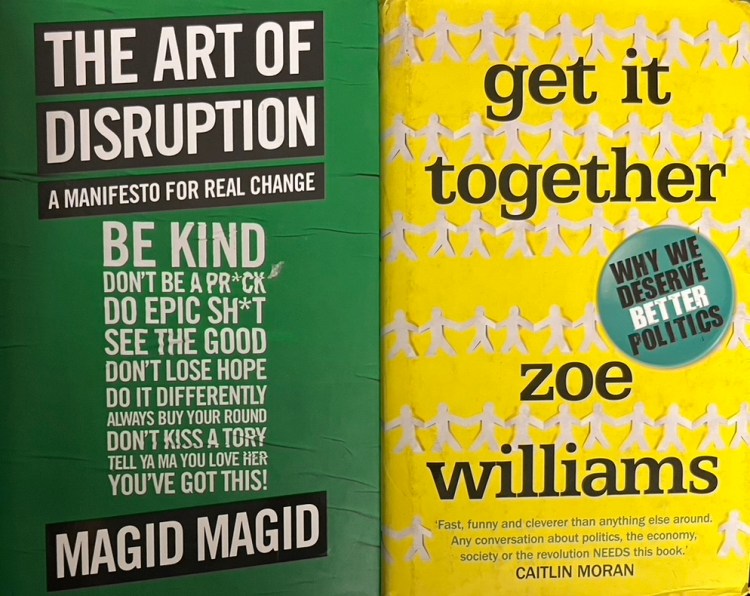
Above left – The Art of Disruption (2020) by former Green Party MEP Magid Magid (who in 2019 was a high profile figure in politics due to The Greens’ European breakthrough with seven MEPs), and Get it together (2015) by Zoe Williams of The Guardian. Both titles serve as reminders to the very short memories and attention spans that the worlds of politics and public policy seem to have. Hence the raised eyebrows at just how long the whole old Shire Hall shambles has rumbled on for. (This also came up at the Cambs Unitaries debate on whether a future unitary council might want to do something else with the building and site).
On the Cambridgeshire and Peterborough Unitaries debate
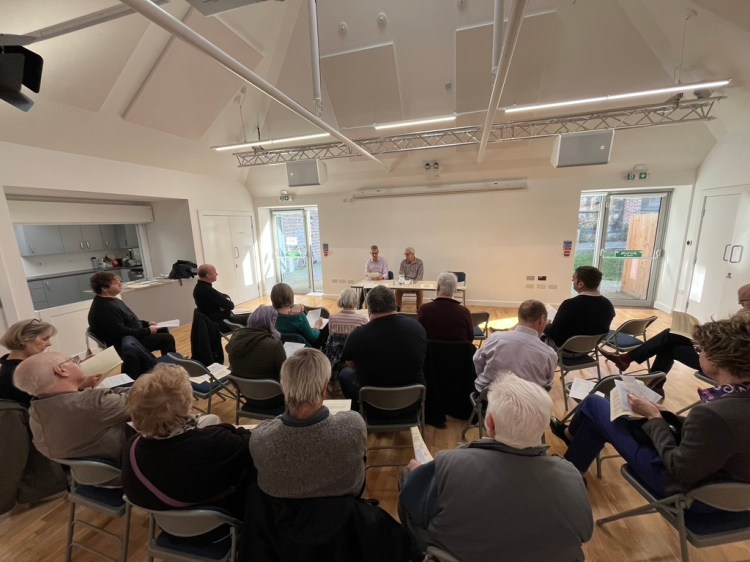
Above – Cambs Unitaries Campaign AGM at the new Mill Road Community Centre on a day when most of us would have rather have been out and about on the first sunny spring weekend of the year!
In the end around 25 of us took part in what to me was a very interesting yet intellectually intense debate on the future structures of our city and county democracy. The briefing paper drafted by Martin Lucas-Smith is here (if that link doesn’t work, drop the committee an email here).
“What did the campaign decide?”
Mainly to agree a set of high level principles with which to put to our local councils on moving forward. We’re in a strange situation because within a year of launching, ministers announced a new policy which delivered on the main part of what we were campaigning for – i.e. the abolition of the two-tier structure. The Government is, however, doubling down on combined authority mayors for strategic planning, even though we have a host of reservations about the current structure and systems for reasons I explained in this blogpost.
My personal priority / pedantic point going forward is for local government and the Combined Authority to use this as an opportunity to develop some adult civics/citizenship education resources – courses, workshops, and so on, in order to educate a critical mass of the general public in the process of finding out what they want not just from this specific overhaul, but more generally on local public service delivery and how it should be held accountable to the electorate and wider public. Mindful that Cambridge in particular has a critical mass of taxpaying adults that have no right to vote. No taxation without representation and all that?
“What happens next?”
There’s a full council meeting on 17 March 2025 where you can table public questions as normal, where this will be discussed. I’m not planning on tabling anything for this one – given there’s only 30 mins public question time I’d like to see others stepping forward, especially first time speakers, raising issues that someone like me risks overlooking. It looks like South Cambridgeshire DC has their full council meeting on this on 19 March 2025, with Cambridgeshire County Council having theirs on the day before, on the 18th March 2025. Again, feel free to table public questions and/or email your city/district councillors with your views via https://www.writetothem.com/
County council candidates May 2025
See Cambridgeshire’s list on Who Can I Vote For? here. ***If you are a candidate or agent, please populate your pages so voters can use their postcode to contact you should they have questions on your candidates and policies***
If you are interested in the longer term future of Cambridge, and on what happens at the local democracy meetings where decisions are made, feel free to:
- Follow me on BSky
- Like my Facebook page
- Consider a small donation to help fund my continued research and reporting on local democracy in and around Cambridge.

 The Cambridge Town Owl