
Which is a bit rubbish given the interim report of the NHS taskforce back in June 2025
Furthermore, the high use of locum GPs in Cambridge inevitably means things don’t always get followed up, increasing the delays unnecessarily – but something that is a symptom of the wider housing and cost of living crisis combined with the longterm failure of successive governments to ensure that Cambridge’s growth is matched by public service investment.
In my case, the day after my GP appointment I had an ADHD meltdown on the bus that was perfectly illustrated by AuDHD Comics on Instagram.
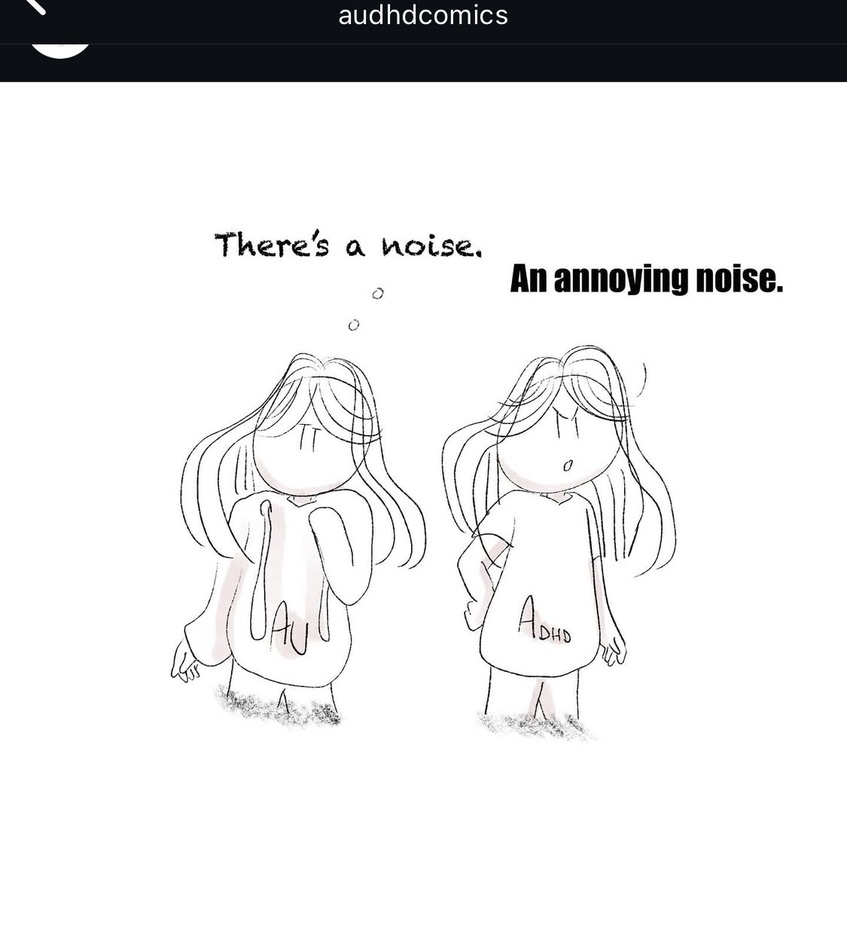
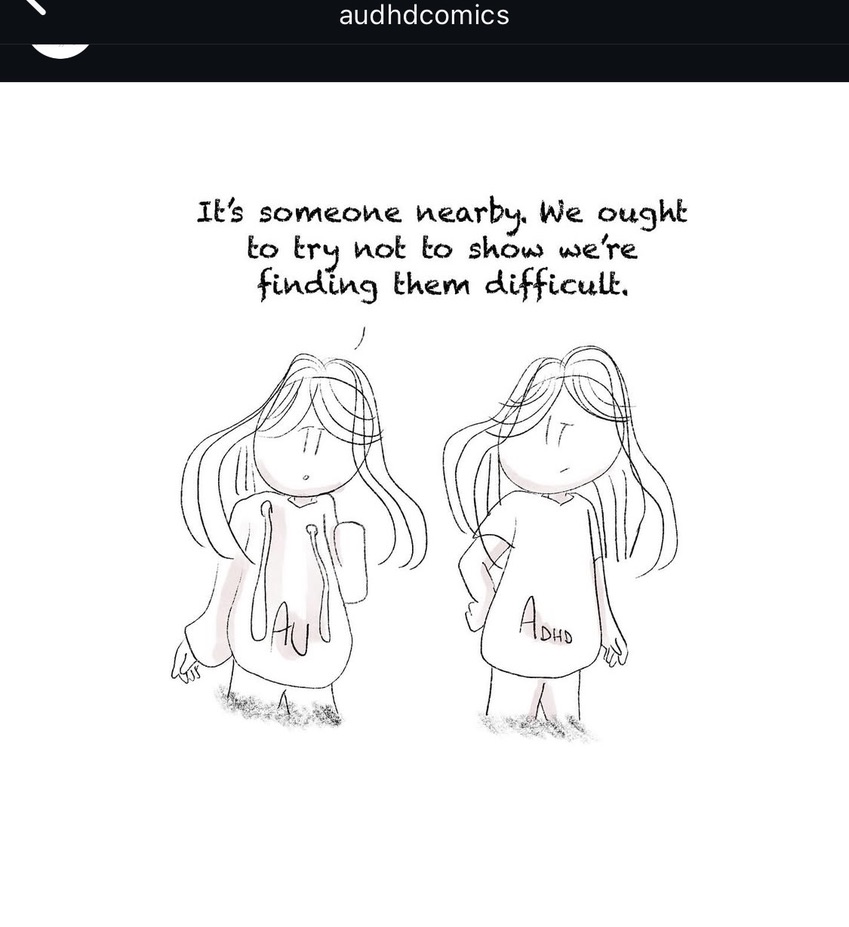
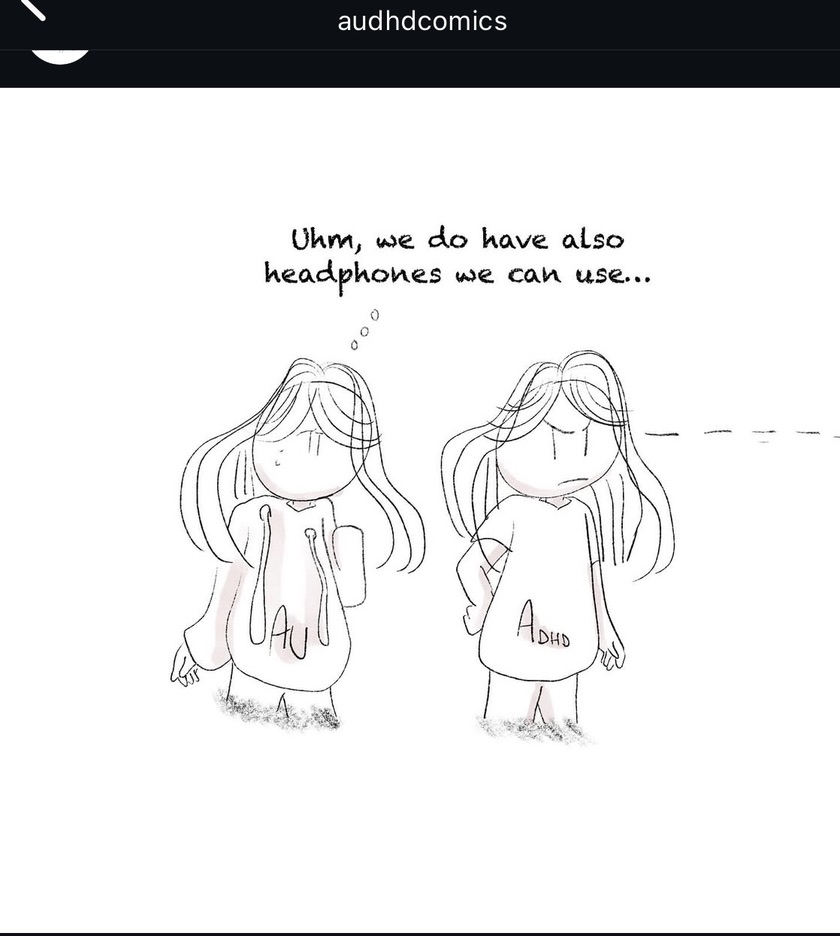

In this case it was a passenger having a conversation on the phone with the speakerphone on. The rest of the bus was ‘There’s a noise’. I was that other figure. I snapped. They snapped back. A few seconds later we all got off the bus and went our own ways. The end.
Well…not quite – rather I went and stewed over the whole thing for the rest of the day, took some medication and woke up at 2pm the following afternoon (Hence getting myself one of those sunflower lanyards should I need to remind myself. )
Which is what I mean by neurodiverse burnout, something that author Leanne Maskell covers in her book AuDHD – Blooming Differently.
But my point is that investing in prevention – both direct and indirect (the latter could include having a much more efficient public transport system so that people don’t get stuck in traffic and in confined spaces for extended periods of time!) is better for everyone. Which is very different to headlines about ‘mental health’ being used as a justifiable excuse for behaviour which damages other people. (It isn’t justifiable at all. Rather in my view at least, it means that action can be taken beforehand to nip things in the bud before they get to crisis point – which is what the 3rd image in the AuDHD comic implies).
“What did the NHS ADHD Taskforce Report say?”
“ADHD (attention deficit hyperactivity disorder), when unsupported, is a potent route into educational failure, long-term unemployment, crime, substance misuse, suicide, mental and physical illness (1–5). Economic costs to individuals and the government of at least £17 billion (6) are avoidable as, when appropriately supported, people with ADHD can thrive and fully engage in a working life.”
Above – NHS ADHD Taskforce June 2025
Their recommendations are summarised as:
- [The management of] ADHD is not the remit of health alone
- Support for ADHD and neurodivergence should begin early.
- An entirely specialist, single diagnosis model is not sustainable or evidence informed.
- ADHD services need to be digitised and data improved.
The last point (4) applies to my various referrals getting lost in the system. Point (2) is tricky in my case in that what I think I’m dealing with was only conceptualised in the medical profession in 2013 (Maskell 2025).
How long it will take before we see meaningful improvements I don’t know. The gap between what is being discovered in the research parks in and around Cambridge vs the capacity of the state to bring them through as meaningful treatments feels as wide as ever. How long before an Addenbrooke’s 3 is built and up and running?
If you are interested in the longer term future of Cambridge, and on what happens at the local democracy meetings where decisions are made, feel free to:
- Follow me on BSky
- Spot me on LinkedIn
- Like my Facebook page
- Consider a small donation to help fund my continued research and reporting on local democracy in and around Cambridge

 The Cambridge Town Owl