For all of the planning and consultation going on – too much of which is fragmented and poorly co-ordinated, people need to see that councils and the government are serious about long term improvements if they are to become willing participants in a new era of community action
A handful of current and former councillors regularly rein me in when talking about grandiose schemes such as
- a light rail network for Cambridge
- a new large concert hall
- a new large swimming pool for north Cambridge
- revamping the front of the guildhall
The response often is that Cambridge’s continued housing crisis means that calls for more housing is put before everything else. And understandably so. Especially when in an era of austerity, everything seems pitched as an opportunity cost. But then as former councillor Sam Davies MBE wrote, the demand for housing in and around Cambridge means we cannot build our way out of this crisis – the data tells us that. Hence I’ve said on many occasions the solutions lie just as much in dealing with demand factors
- taxing international purchases heavily,
- tightening up on short-term lets,
- restricting the amount of homes eligible for student accommodation unless bespoke-designed for the purpose,
- transport and industrial strategies that spread the investment beyond the Cambridge sub-region…and so on
Not everyone can have the picture-postcard view of King’s College Chapel from outside of their bedroom window, much as the marketing people seem to use old college ‘money shots’ for whatever they are trying to sell.
Local government sector calls on ministers to intervene in the crises in local councils
“Councils find themselves in an increasingly precarious position, facing the toughest of decisions. Our new analysis reveals that councils in England now face a funding gap of £6.2 billion over the next two years.”
Local Government Association – open letter to the new Prime Minister. 05 July 2024
It remains to be seen how Chancellor Rachel Reeves responds to the call from councils. If there is any financial relief for councils and police forces as far as revenue (i.e. salaries, not bricks and mortar) spending is concerned, then spending some of that money on some short-term improvements that people will notice might go a long way.
As mentioned in an earlier blogpost, some recent photographs I took recently show the symptoms of a declining and shrinking state.
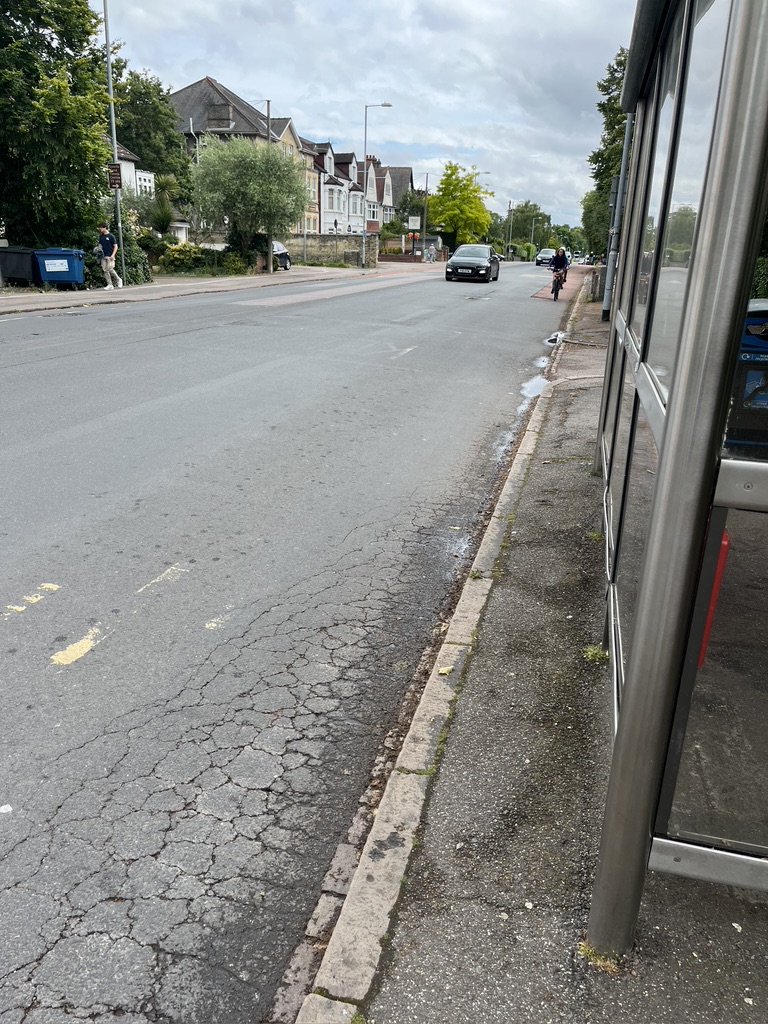
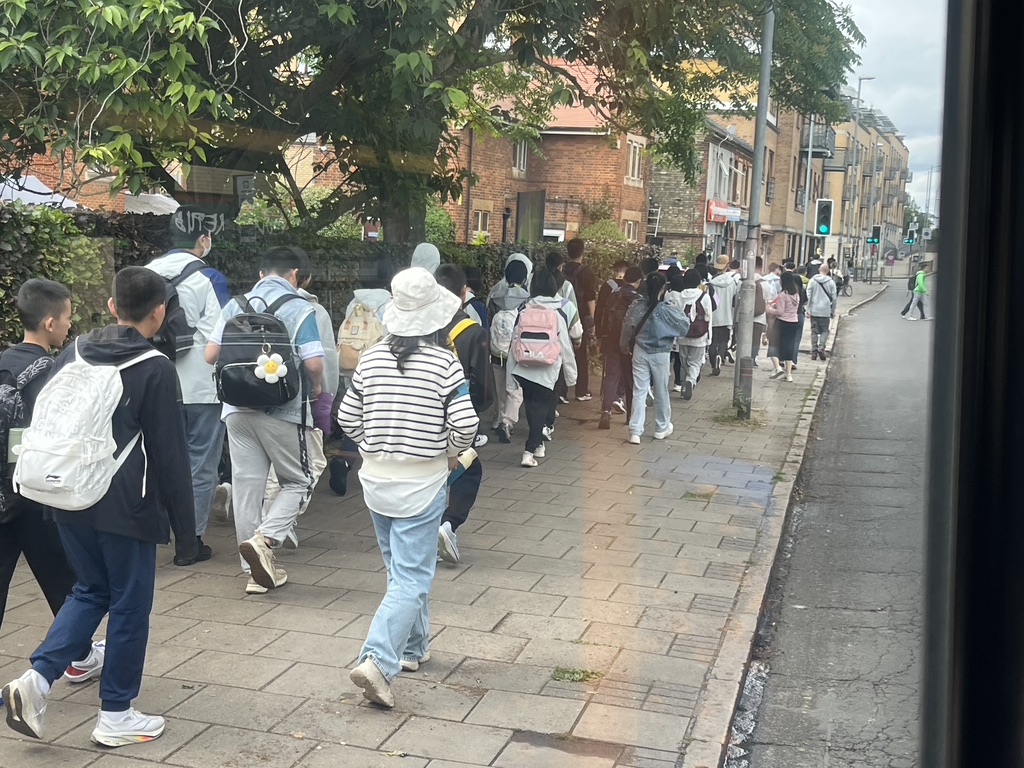
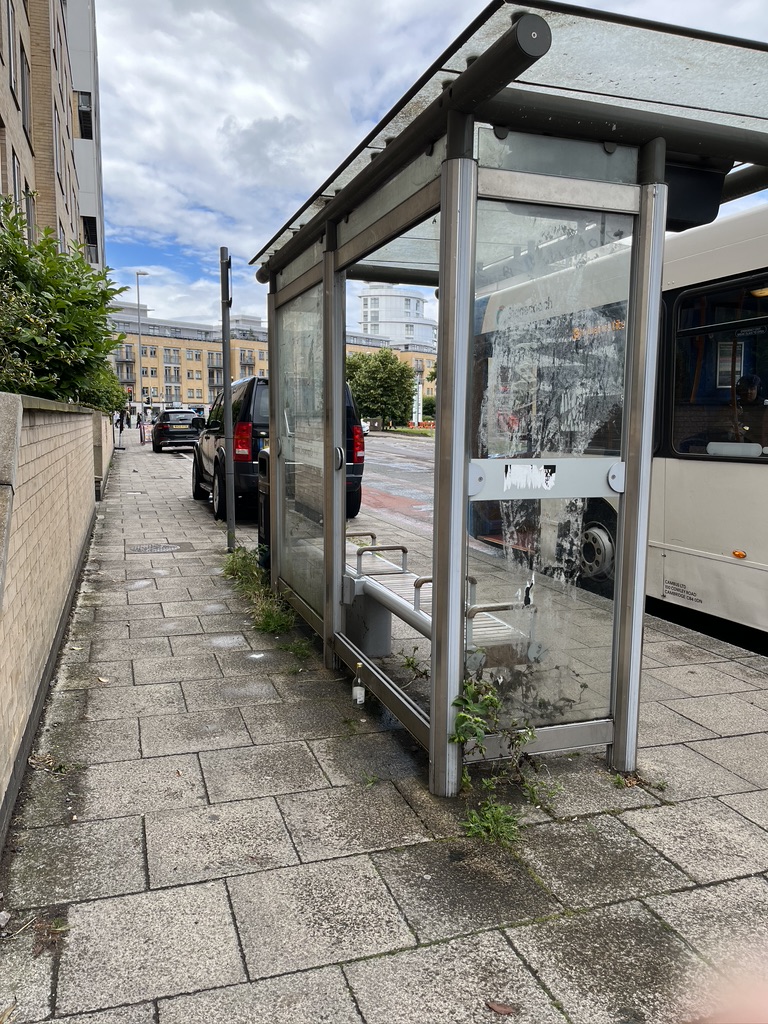
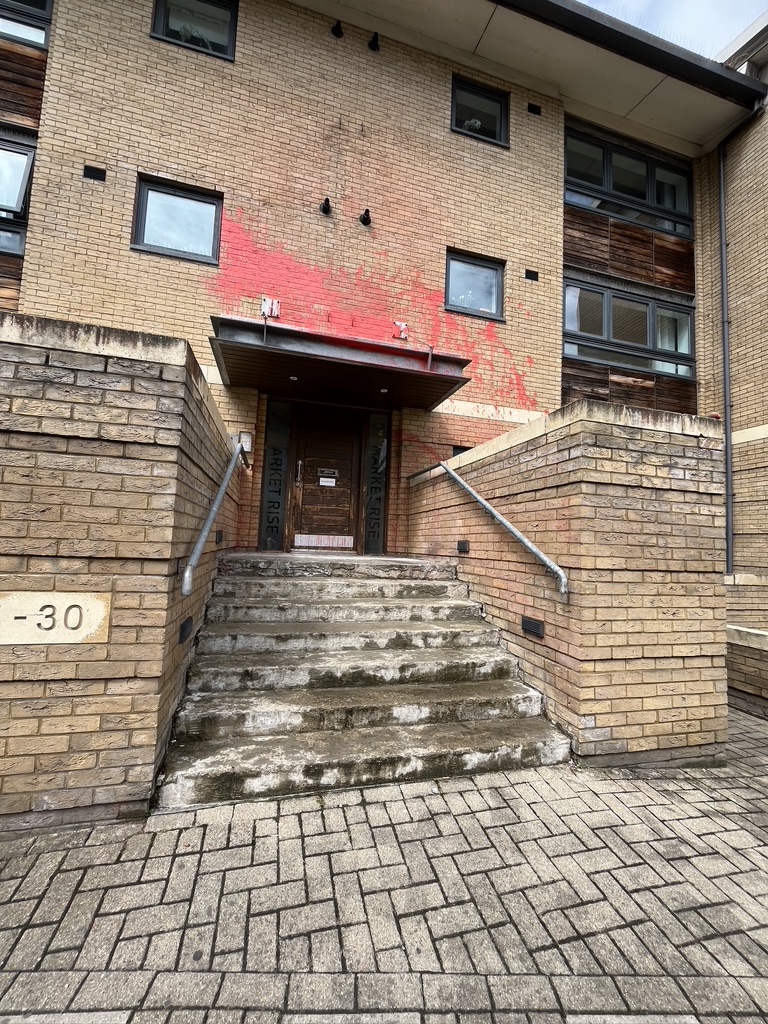
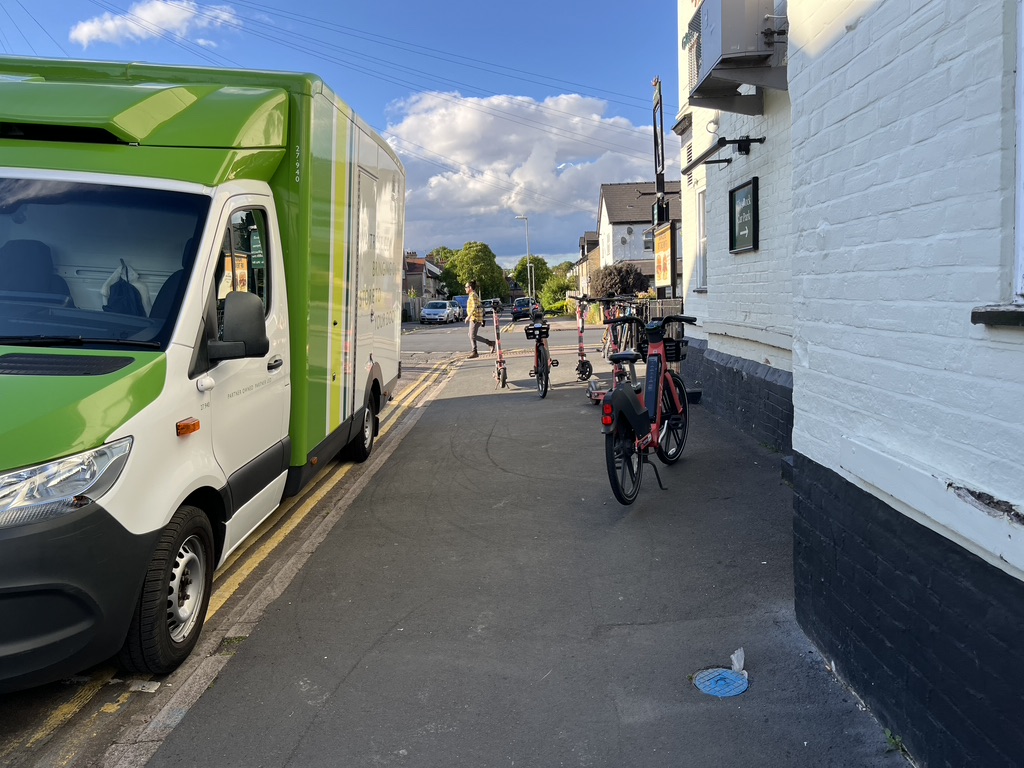
Above – clockwise from top-left:
- Bus stop paint demarcation worn away – indicating under-funded road maintenance on Hills Road outside one of the busiest further education colleges in the county
- Excessively large tour groups organised by profit-making institutions from which local councils have few powers and little capacity to restrict numbers or tax the economic activities to alleviate the negative impacts of mass tourism (see also Barcelona in the news)
- Smashed bus stop panels by poorly-maintained bus stops that have vegetation growing out of them – and with illegally-parked very large motor cars on the pavement over the cycle lane next to one of the ugliest and most expensive residences in Cambridge
- Freeholder of the corporate cash cow that is Cambridge Leisure Park not cleaning up the building it owns that someone threw paint over
- Supermarket delivery van parked on double yellow lines while the VOI Tech e-scooters and bikes block the pavement.
Three possible responses?
- Put more resources into maintenance teams. (The county council already has a system of prioritising repairs – I don’t propose to micromanage them in the face of scant resources)
- Put more resources into civilian enforcement officers and work with councillors and community groups on when and where the problems most frequently arise so as to re-design patrols for prevention rather than reaction – for example using the Neighbourhood Agreements model.
- Install noise cameras (as Cambridge Lib Dems call for) to help deal with anti-social driving – combined again with a Neighbourhood Agreements model in 2) should extra funding for neighbourhood police officers become available.


Above – CTO 08 April 2021 – council tax rises paid for the additional police funding, which didn’t go nearly as far as planned because Liz Truss and Kwasi Kwarteng crashed the economy and sent inflation skywards.
The 4 day week trial report
South Cambridgeshire District Council got it in the neck from Tory ministers, but the British People turfed them out. It remains to be seen what the new Labour ministerial team will make of the trial results published by the council earlier will be.
Above – South Cambs DC Full Council 18 July 2024 Item 7a App. A
To summarise:
“For the analysis adjusting for the impact of the COVID-19 pandemic period, the following outcome measures were found to be significantly different during the trial period, compared to before the trial period:
- Outcomes that were better during the trial period, compared to before the trial period:
o CC303: % of calls to the contact centre that are handled (answered)
o CC305: % of complaints responded to within timescales (all SCDC)
o FS109: % of undisputed invoices paid in 30 days
o FS113: Average number of days to process housing benefit and council tax support change events
o FS117: % staff turnover
o SH332: % of emergency housing repairs in 24 hours
o Planning services measure: major planning application decisions (% completed in time)
o Planning services measure: major planning application decisions (% overturned)
o Planning services measure: non-major planning application decisions (% completed in time)
o Planning services measure: non-major planning application decisions (% overturned)
o Planning services measure: average number of weeks for householder planning application determination - Outcomes that were worse during the trial period, compared to before the trial period:
o FS102: % of housing rent collected
o AH211: average days to re-let all housing stock
Which is pretty good in the grand scheme of things!
On data collection – the Ox-Cam-Arc / Oxford-Cambridge Pan-Regional Partnership
Remember that? They have a new data hub – item 10 of the South Cambs papers
You can do some data observing at https://oxford-cambridge-data.org/dashboard/regional-insights
One data set I’d be interested in seeing collected is an audit of private commuter bus services. If only to see if the number of private services (and the damage to the roads that the vehicles do – as well as to our lungs because most are diesel chugmobiles) is at a level where light rail should really be prioritised. Furthermore, this could be combined with what developers have signed up for as part of planning permission for their new developments including and not limited to:
- The Beehive Centre
- The Grafton Centre
- Land south of Coldham’s Lane / Cherry Hinton Innovation
- Capital Park, Fulbourn
And that’s before mentioning what B-Gate are up to in Cambridge North, having got permission to build from ministers without resolving the water stress issues. Finally there’s the ongoing project on the Anglian Water site alongside speculative pressure from Trinity College Cambridge / Science Park North, and the inevitable desire to expand the Cambridge Biomedical Campus while Addenbrooke’s A&E remains stuck at 2001 capapcity.
Talking of healthcare
The state of the NHS is in the news.
It remains to be seen whether the Chancellor and Health Secretary will provide the short-medium term funding to get more GPs and dentists back into permanent employment to deal with the waiting lists and improve prevention. It takes much longer to build new medical and dental schools at universities. At the same time, the problem of countries poaching from each other needs to be dealt with by a co-operative agreement for everyone to increase their training capacity and to bring in interchange programmes to enable people to spend time working abroad if they wish. Otherwise we’ll continue to lose very talented people like Dr Julia Simons. I got to know when she was in her final couple of years as a medical student in Cambridge (at big Cambridge climate protests of 2019) before she took on Boris Johnson only to be thrown into the Covid pandemic in 2020 at the end of her studies.
She couldn’t afford to make ends meet as a junior doctor in the UK. Australia offered her far more, and that’s where she is now. Like several others, she voted with her feet. And successive Conservative health secretaries have had no answer to this.
It remains to see if another former Cambridge student, health secretary Wes Streeting, can resolve the junior doctors’ strike amicably (I’m on the side of the doctors because they treated me at Addenbrooke’s & Papworth, old and new) and get their salaries back up to a competitive level internationally.
If you are interested in the longer term future of Cambridge, and on what happens at the local democracy meetings where decisions are made, feel free to:
- Follow me on Twitter
- Like my Facebook page
- Consider a small donation to help fund my continued research and reporting on local democracy in and around Cambridge.
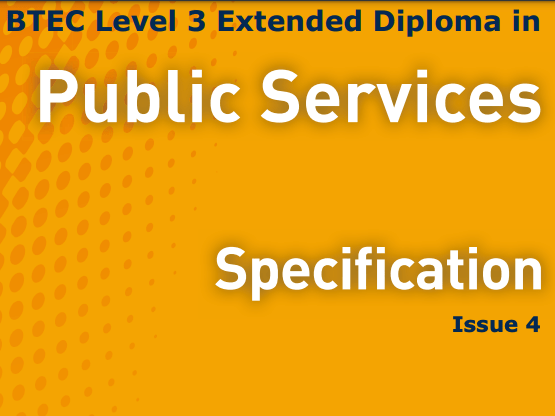
Below – a reminder on why it’s so hard to work out how our city and county function: Fragmented public services in Whtehall reporting silos – noting there’s more than a little that vocational courses aimed at further education students can teach the academic stream
 The Cambridge Town Owl