
Mr Pennycook said so in a written statement to Parliament
Image – Central Gov’t guidance on the development planning system from 1968 – reflecting how long the present system has been in place. Although when that guide was written, such were the concerns about the lack of public participation that the Skeffington Report was commissioned to look at the issue, the report being published in 1970
“The current way of preparing plans is not optimised for community participation. Plans can be lengthy, hard to read and difficult for those without specialist planning knowledge to engage with. They also often take a long time to prepare, at least seven years on average, which means they can be out of date too quickly, and communities struggle to understand the many different consultation phases.”
“What is a local plan again?”
It is a large document that sets out the rules and standards that planning applications within a geographical area have to meet in order for local council planning committees to approve them. Where an application meets the requirements of a local plan and also the Government’s national planning policies (the National Planning Policy Framework – documents that have ‘NPPF’ in front of them), professional town planners in local councils will recommend such developments for approval. If councillors vote to refuse such applications, developers often go to appeal to get a national planning inspector or a minister to overturn the refusal. Which is a separate post.
The Minister for Housing should discuss this cross-departmental challenge with the Minister for lifelong learning
That is to come up with something for lifelong learning programmes that can enable adults to learn about how the planning system functions – in advance of any local plans going out to consultation. Trying to learn how a system functions *while* you are fighting hard for your community is not ideal for many people (although it can work for others).
I refer back to previous blogposts:
- Training the teachers on town planning essentials – incorporate it as part of geography and local history teacher training programmes
- The public health and town planning gaps in formal politics & citizenship courses – on further education and the divide between academic and vocational qualifications. With hindsight my A-level Geography course would have been far more useful had we studied the town planning system
- What would an introduction to town planning book for children & young people be like? As we have seen, such books are useful and accessible to adults as well.
- What can past Cambridge town planning documents tell us about the future? There’s a lot to be said for studying what was proposed vs what ultimately got built.
Mayoral Elections
These are all things you can discuss with your candidates too!
Every so often I’ll write on a wider public policy issue that goes beyond Cambridge, such as here
- Follow me on BSky <- A critical mass of public policy people seem to have moved here
- Like my Facebook page
- Consider a small donation to help fund my continued research and reporting on local democracy in and around Cambridge.
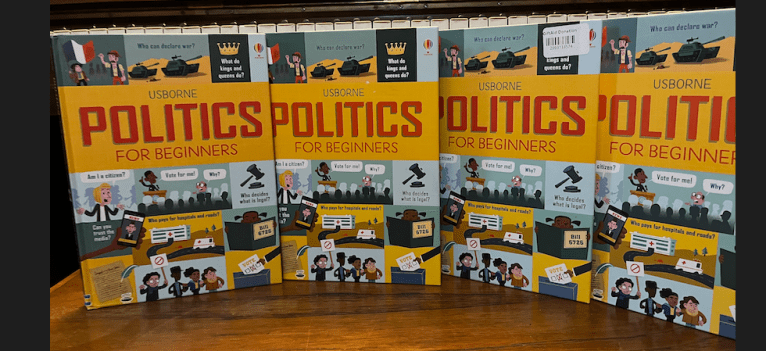
Want to know more about politics and democracy but don’t want to read a heavy text book? Have a browse through the Usborne For Beginners series which also includes law, climate change, and will soon have artificial intelligence as well!
 The Cambridge Town Owl