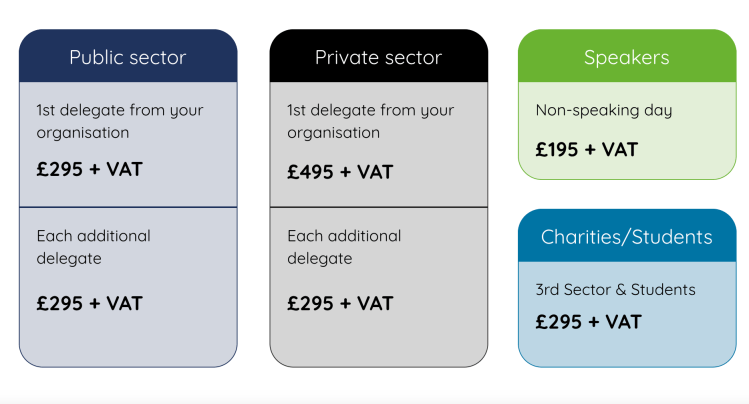
The student and charity rate is £295. What would such an event be like if there was a critical mass of people there whose incomes were so low they were unable to drive due to the costs involved?
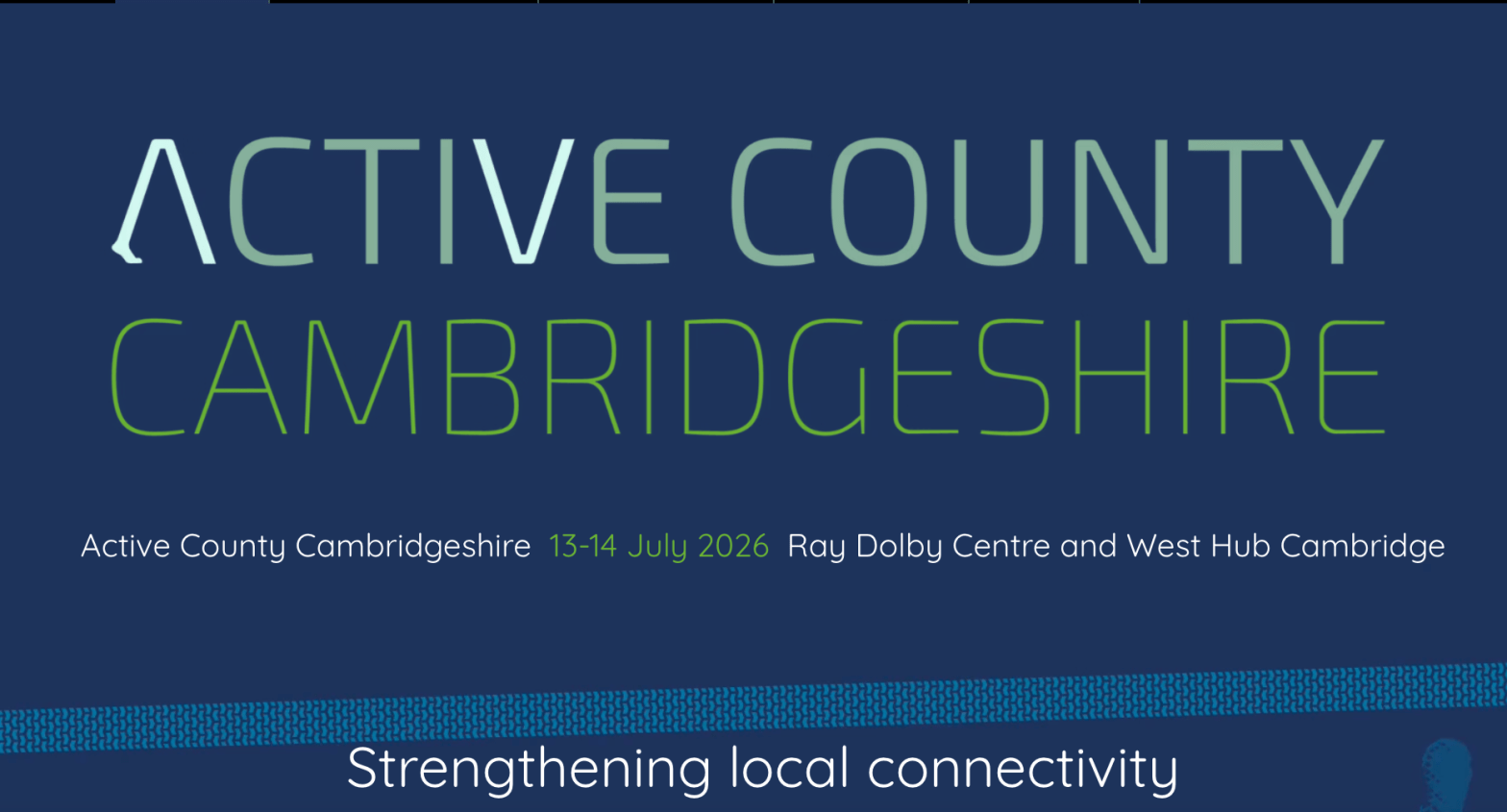
You can see the details at https://www.activecountycambridgeshire.uk/
Two of the key sponsors are:
- Cambridgeshire County Council
- Cambridgeshire and Peterborough Combined Authority
Looking at the programme for the second day, Lilian Greenwood, Minister for Local Transport will be sending what looks like a video message – either live or pre-recorded.
The Minister for Local Transport is a former Chair of the House of Commons Transport Select Committee
Additionally she spent three years at St Catherine’s College, Cambridge. It was on a private visit to Cambridge in the early 2010s – also in the early days of Twitter when famous people and public figures could have ordinary exchanges with the general public, that we met up for coffee in town. I was particularly interested in the work of the Transport Select Committee having spent a small fortune on rail season tickets that I made it my business in the latter 2000s to buy Modern Rail magazine to see what the money was spent on!

Above – Lilian Greenwood MP visiting Cambridge (she studied at St Catherine’s) back in autumn 2012 when Puffles was on Twitter. It was a very, very different era.
Having spent the past 15 years covering transport policy, she’s one of the few ministers who has an in-depth knowledge of her policy area.
Heidelberg in Cambridge
One of the keynote speakers is the Deputy Mayor of our German Twin City of Heidelberg. Last year was the 60th anniversary of the twinning agreement. But the legal and financial powers that German cities enjoy compared with their English counterparts mean that Heidelberg gets to have the nice things that Cambridge is prevented from having by HM Treasury. Unlike the UK which has a system of Parliamentary Sovereignty, Germany has a written constitution which protects the rights and powers of local government and regional government from federal government. See the explainer from the EU here. Now think about what longer term infrastructure spending might have been like in the UK under such a system and structure.
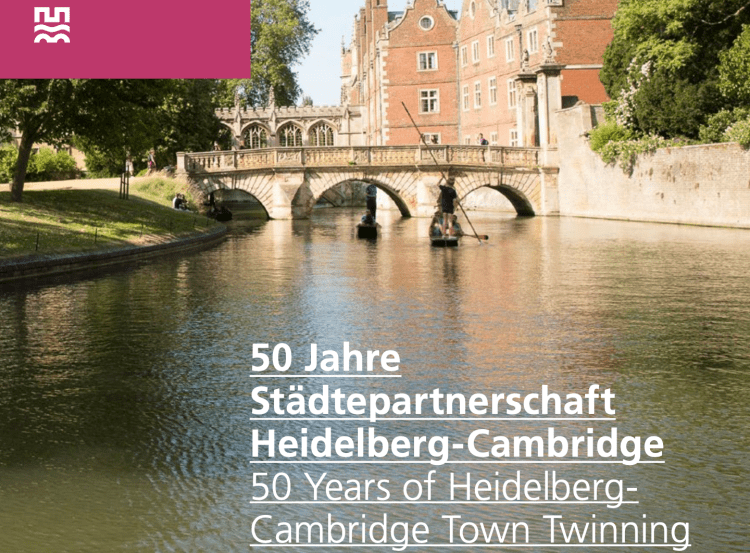
Above – Cambridge, by Heidelberg Stadt / City Council
Personally I think Cambridge’s institutions – especially the wealthy private and academic institutions, should be doing far more to promote the twinning. In particular helping fund visits by Cambridge community and civic groups to Heidelberg – if only to see German municipal public transport systems. (Alternatively, read about what they are investing in via LRTA’s Light Rail and Urban Transit Magazine! (Also available in the shop formerly known as WH Smith))
Delegates to Active County Cambridgeshire may want to familiarise themselves with the basics of what local and regional government institutions can do in Germany vs the UK. Former councillor Sam Davies MBE made a similar observation about Cambridge, Massachusetts.
“The [Massachusetts Institute of Technology] pays real estate taxes on its investment land, and in so doing, has been the city’s largest taxpayer for many years. In 2016, MIT’s $45 million tax payment represented more than 14 percent of the city’s total tax revenue.”
Above – Sam Davies MBE 18 Sept 2022
No similar agreement exists between the University of Cambridge and local government institutions outside of existing local government finance legislation – certainly not at the scale that would enable local government to undertake the desperately needed infrastructure investments the city needs.
There are a host of interesting sessions relevant to the wider city.
“Is anyone listening? The story of young people and active travel – Young people from the The University of Cambridge and Anglia Ruskin University Student Summit, 2026“
The session above is one relevant to young people far beyond higher education circles. Back in 2021 I reported that…
Cambridge’s further education colleges spent £1.8million on transport and bus services that should be provided for by local government.
…although there have been some significant policy and spending changes (not least the introduction of the popular Tiger Pass by the previous Mayor Dr Nik Johnson).
But the point remains that there is no independent means by which local and regional tiers of the state in the UK can tax the wealth generated in their areas to fund essential services – even if those services and new infrastructure benefit their key priorities such as economic growth and reduced traffic congestion.
As for the £295 price tag…
Where to start…
I’m not pleading for a cheap ticket for myself – in anycase I don’t have the capacity to function (CFS/ME) for two full days in a row at conferences anymore. I hope there are representatives from the state-funded further education colleges there. It might also be a good idea to allocate a reasonable number of free places for under-21s who are enrolled at those colleges too – with college staff accompanying them. On top of that, there are a number of community groups based in places like Arbury, King’s Hedges, and Abbey wards whose participation might also be useful. Not just the one or two people who would inevitably get frozen out / feel isolated in an event full of ‘suits and lanyards’ (of which I have been one on more than a few occasions in the 2000s) but enough that might feel confident and supported enough to contribute in workshops.
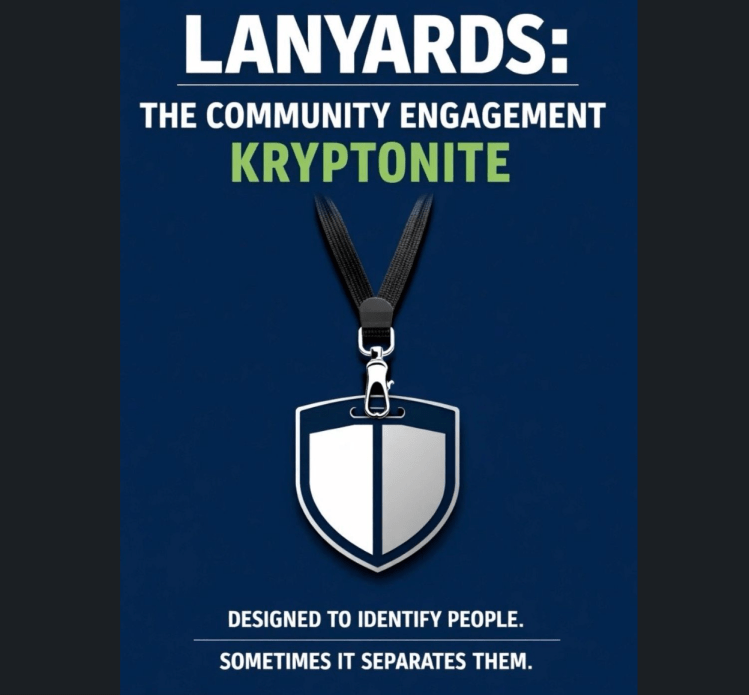
Above – some of you may have seen recent articles on what lanyards can symbolise at community outreach and corporate events (something now being used pejoratively in some party political circles to denote a separate social class working to its own collective interest rather than a wider community interest)
Which is also why follow-up is essential.
And our institutions’ records are not good – not least because changes of leadership (including Political leadership) mean that schemes, projects, and programmes often change when leadership changes. Even when the political party remains the same. (I’ve lived it.)
What should that involve? Further meetings? Local events/workshops where the participants can provide feedback and information to their own communities? Something to plan for by the future unitary council?
If you are interested in the longer term future of Cambridge, and on what happens at the local democracy meetings where decisions are made, feel free to:
- Consider a small donation to help fund my continued research and reporting on local democracy in and around Cambridge
- Follow me on BSky
- Spot me on LinkedIn
- Like my Facebook page


