
For those of you that have forgotten, the Mayor of the Cambridgeshire and Peterborough Combined Authority, Paul Bristow included getting a light rail for Cambridge built, and ‘making the Mayoralty matter’ in his manifesto
You can browse through his manifesto here.
Image: Political Education for Adults (1983) by the old Advisory Council for Adult and Continuing Education. (The old Conservative Party Centre published its own political education handbook in 1951 – see here)
With only one question per person at the Cambridge Question Time (as it should be given the number of people wanting to ask questions), I kept my question to expanding the very narrow Whitehall-mandated adult skills agenda to a much-wider lifelong learning culture
Back in February 2026, Paul Bristow was interviewed by Simon Kaye of the think tank / public policy institution Re:State.
(Originally ‘Reform’ which pre-dated TeamNigel’s rebranding)
See the landing page from Re:State here
Above: Dr Simon Kaye interviews CPCA Mayor Paul Bristow, 26 Feb 2026
- “What structures and safeguards are needed to ensure devolution works for all?
- Do Mayors’ teams have the financial and policy capabilities to realise their ambitions? And…
- How should Combined Authorities now evolve?”
Questions and issues discussed in the interview above
If the Mayor wants to raise the profile of the Mayoralty and Combined Authority, could he lean into the Adult Skills silo?
I brought along a copy of Margaret Cole’s mini-syllabus ‘Local Government for Beginners’ published in 1927 for the Workers’ Educational Association – the latter of which is still going.
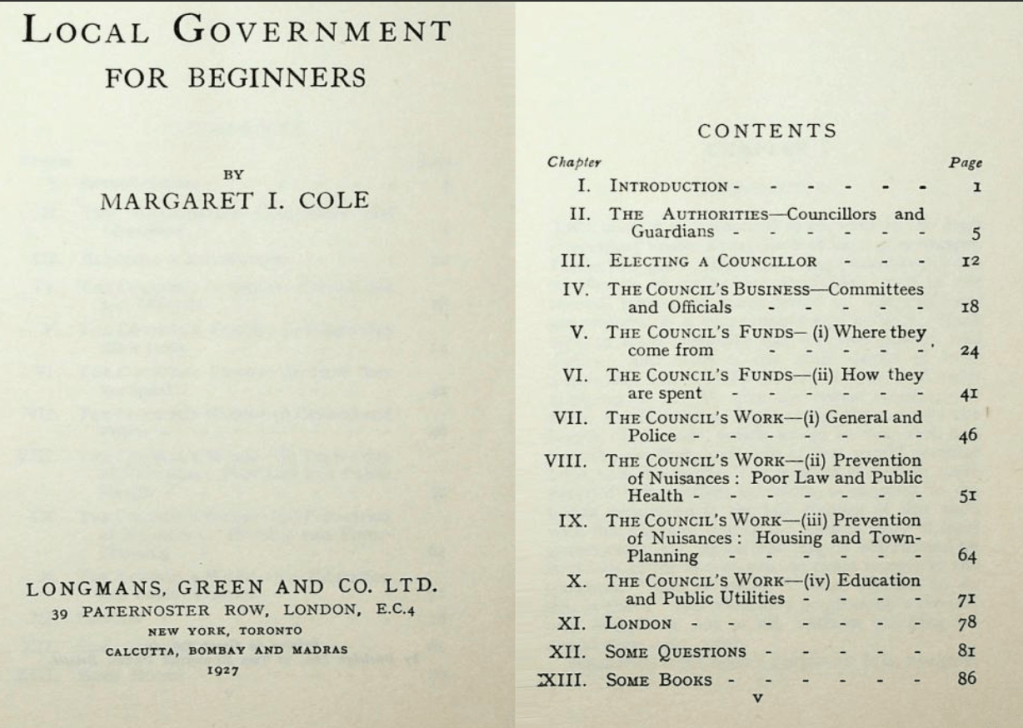
Above – Local Government for Beginners (1927) digitised here for you to browse
The WEA used to have a significant presence in Cambridge and Cambridgeshire (I found two folders of pamphlets and course guides in the Cambridgeshire Collection) but that presence has long since been vanquished. The only provision that exists today is for a very limited number of basic skills courses aimed at people with a low level of English language competence, or those needing extra help to re-engage with learning and employment schemes, and their local community too.
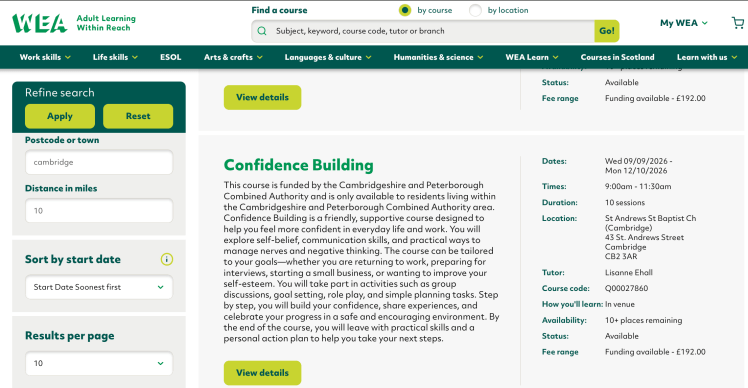
Above – one of the four courses available in Cambridge from the WEA from September 2026
This contrasts with the huge range of courses, workshops, and opportunities on the green header bar (click on the link above to browse through those).
“What about online learning?”
They have a new portal at https://wealearn.systeme.io/ dealing with disinformation.
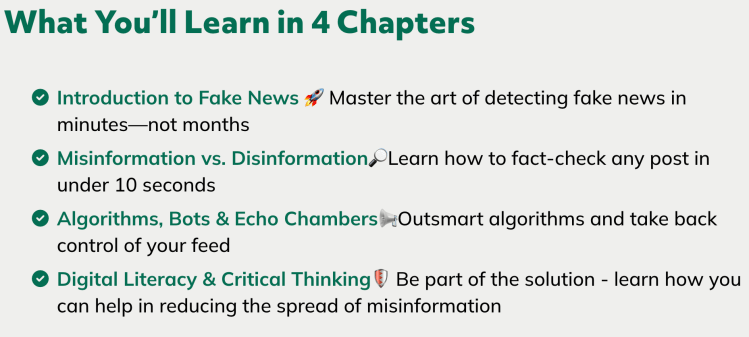
While there is a place for online learning, the context that I am interested in is strengthening communities and tackling loneliness and disconnection in society through lifelong learning and community activities
For themes such as civics, citizenship, politics and democracy, that inevitably requires some form of group discussion
During the Second World War multiple publishers produced discussion guides, such as the one below which was aimed at small group leaders in what was a highly-regimented and hierarchical society due to the demands of the wartime economy.
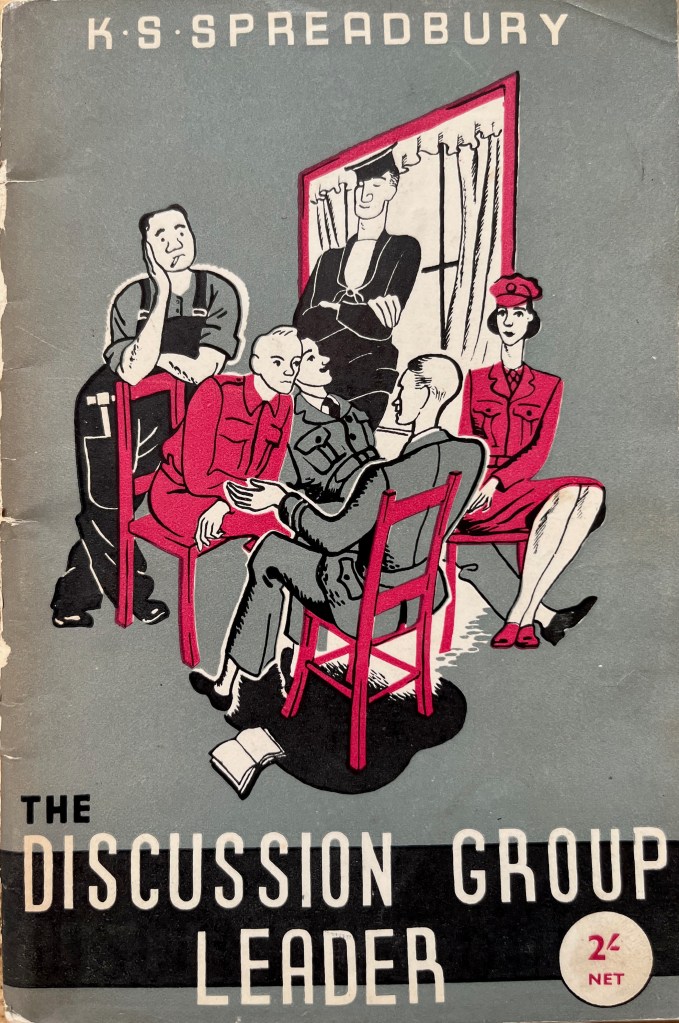
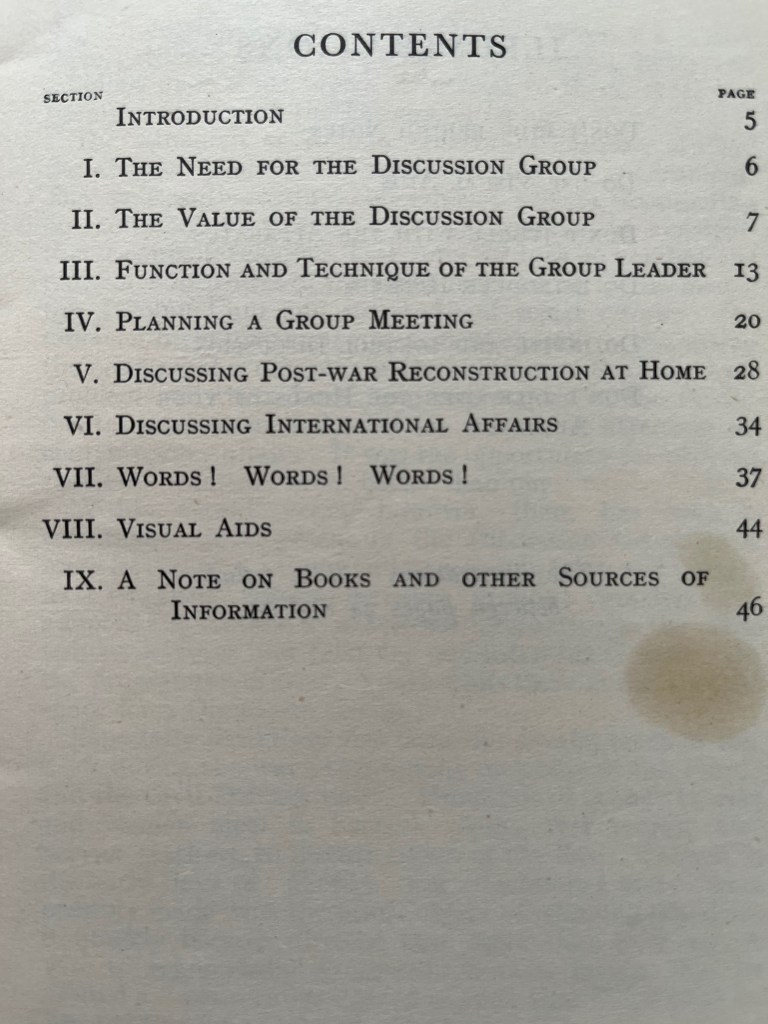
Above – The Discussion Group Leader (1944) digitised here for you to browse
Not only that, there was a lot of ‘down time’ and travelling required – with boredom being one of the biggest challenges for Churchill’s wartime coalition government. Hence why it established its own publication unit to deal with that and also to combat Axis propaganda. The publications covered a wide range of topics, not just military ones. These includes issues on what the post-war societies and communities might be like. For example this one on community centres.
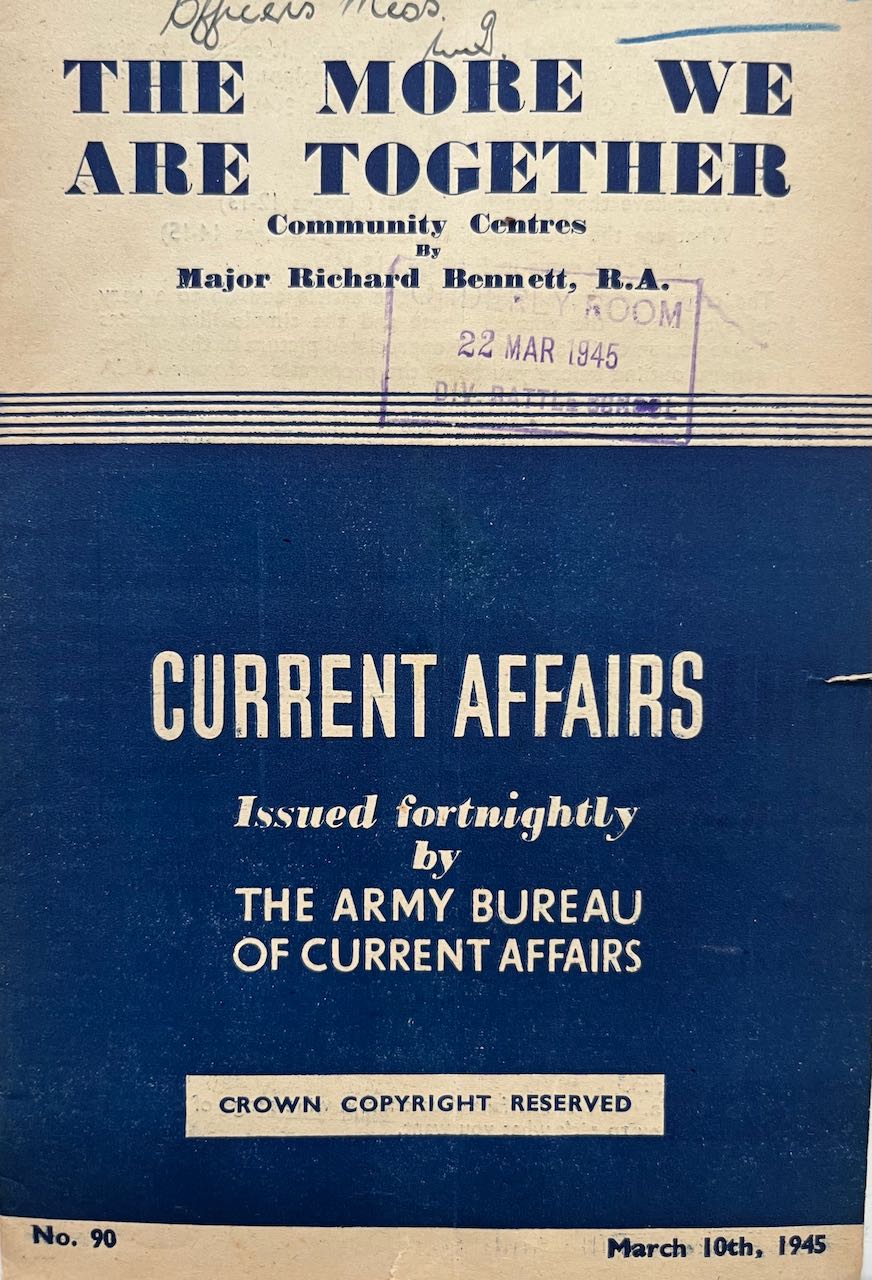
Above – The More We Are Together (1945) ABCA which you can browse through here.
The need for community centres – and specifically community learning centres was made by the Commons Education Select Committee in 2020.
Which means it is not just the providers, provision and the tutors that are needed, but also the venues that are designed in such a way that people can get to them easily (via active travel and/or public transport) and furthermore are places where people would choose to be, over and above staying at home.
And that means having somewhere that doesn’t look like:
- School – especially 20th century state school designs built on a shoe string and out of poor quality materials, or mobile/temporary classrooms
- A featureless office block with blank whitewashed walls and strip-lighting.
That means not only going to where the people already are, but also involving them in the design and location of any new facilities
Food for thought?
If you are interested in the longer term future of Cambridge, and on what happens at the local democracy meetings where decisions are made, feel free to:
- Follow me on BSky
- Spot me on LinkedIn
- Like my Facebook page
- Consider a small donation to help fund my continued research and reporting on local democracy in and around Cambridge.

 The Cambridge Town Owl