
If you’ve not been to the People’s History Museum, have a look here. The ‘PM-in-waiting’ as the media are setting him up as, gave his first policy speech post-by-election at the Museum
You can watch the speech in full via the AP here – do have a listen
What Mr Burnham is up against is a Whitehall Establishment that was lampooned by Yes Prime Minister nearly half a century ago.
“Bernard, what happens if it becomes apparent that a new transport system needs to be built in a city like…Nottingham. (Or Cambridge) …and there are rival proposals for what should be included in it?”
Early in Sir Keir Starmer’s administration, the suggestion of overhauling local government finance did not get past HM Treasury.
“Many also wanted more fiscal levers, such as being able to have a tourism tax, but people involved in the discussions said the Treasury was not currently open to such a move.“
Jen Williams for the FT, 13 Dec 2024
“But we got the Tourism Tax didn’t we?”
Not yet – Scotland have got it and Edinburgh is the first city to implement it. England is still stuck at the stage of civil servants analysing the responses.
Mr Burnham lampoons speculative media coverage
One reporter who for me seems like the BBC’s correspondent for TeamNigel got it in the neck.
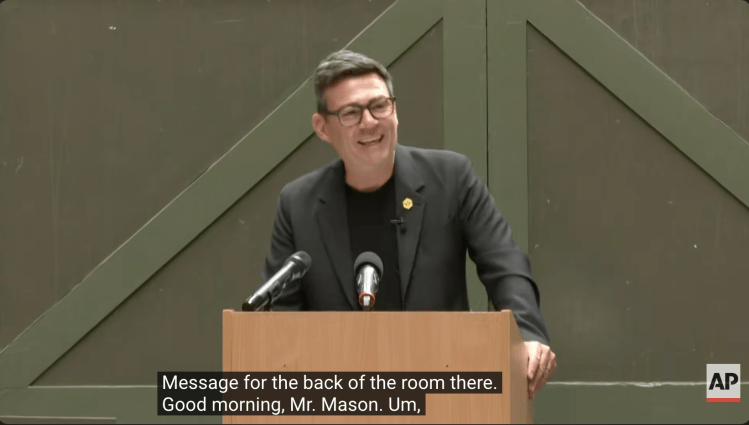
Above – Mr Burnham on appointments to ministerial office
The tougher questions involve how Mr Burnham will achieve his aims
Above – how do you actually drive regional policy well? The structures of the old regional government office network did not work well in its time 1994-2011. I got a front row seat at the start of my civil service career in 2004-06 in the Cambridge office that covered the East of England.
There’s little chance of those structures, systems and processes being rebuilt. (If they do get rebuilt, Mr Burnham will have failed).
To summarise, my experience of the old GO-Network as institutions:
- Central London departments (AKA ‘Whitehall’) did not have a clear understanding of what the networked offices in the English regions dotted around the country did or could offer in terms of ‘value added’ – because so few London-based civil servants had worked in those offices outside of London.
- Staff in the regional offices didn’t really know what happened in Whitehall because so few of them had significant working experience of it – and those that did have experience were often from periods that pre-dated the internet.
- Grade-ism and ‘Empire building’ were significant challenges – especially for younger members of staff and those members of staff who were capable of doing far more than they were allowed to do.
- There were few well-known systems for self-improvement and lifelong learning – for example connections with local further and higher education institutions which could – and perhaps should have provided the space for staff members to explore wider concepts with others working in different institutions and workplaces. eg some of the research coming out of academic institutions, through to learning the essentials of how the state and public sector is structured.
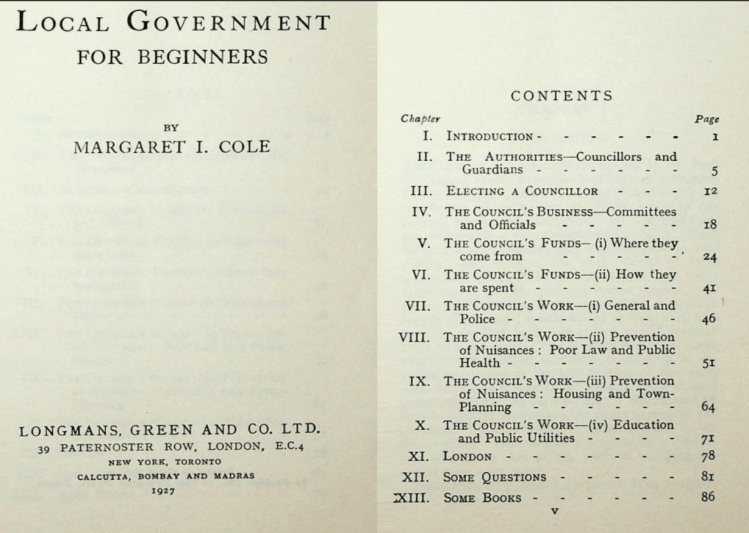
Above: Local Government for Beginners (1927) WEA – A modernised version of this course as a term-long evening class (or even a daytime weekly class) would have been an ideal part of the induction for those of us who never had the chance to study politics or civics/citizenship at school, college, or university
More recently the BTEC in Public Services went into further depth.
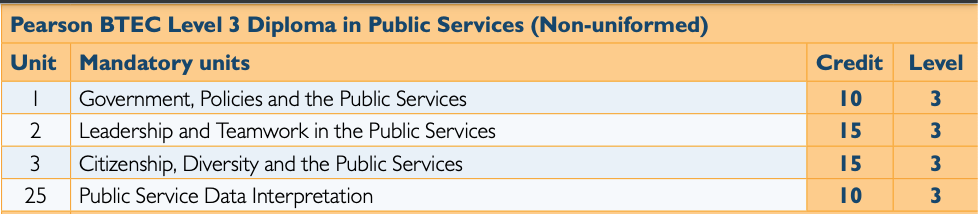
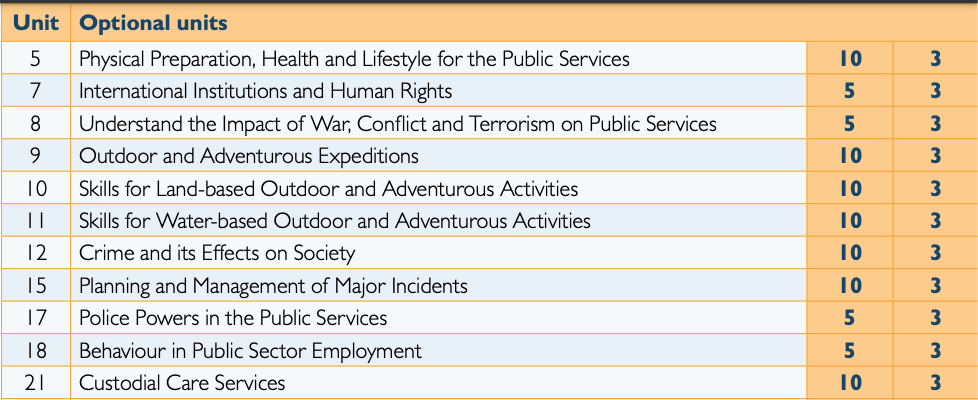
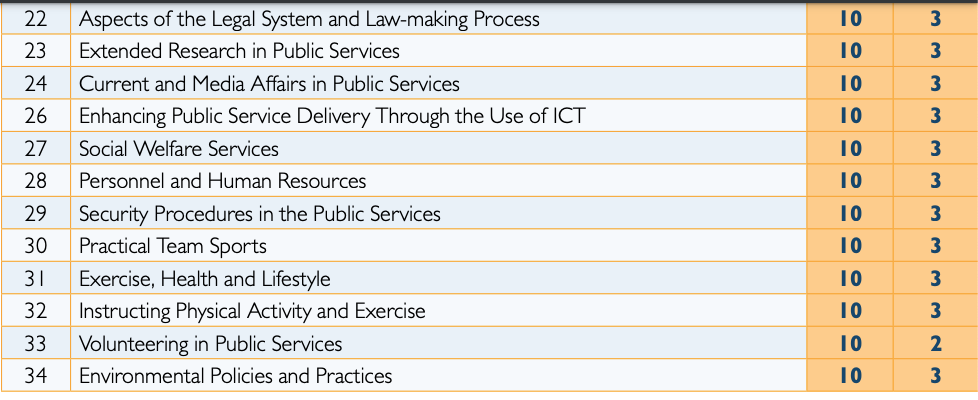
Above – Pearson, BTEC Public Services (2010) Spec, p21ono
I featured the above in this blogpost from 2023. Level 3 is the equivalent of A-level standard, noting units 5-21 are aimed at Uniformed Public Services, hence the active, physically-demanding nature of a number of the modules.
“Is a land value tax on the table?”
It’s hard to tell at the moment – I think that will be something that a new Chancellor (assuming Rachel Reeves is moved on) will have to thrash out with their officials first. There are however, more than a few academic papers for civil servants to work with.
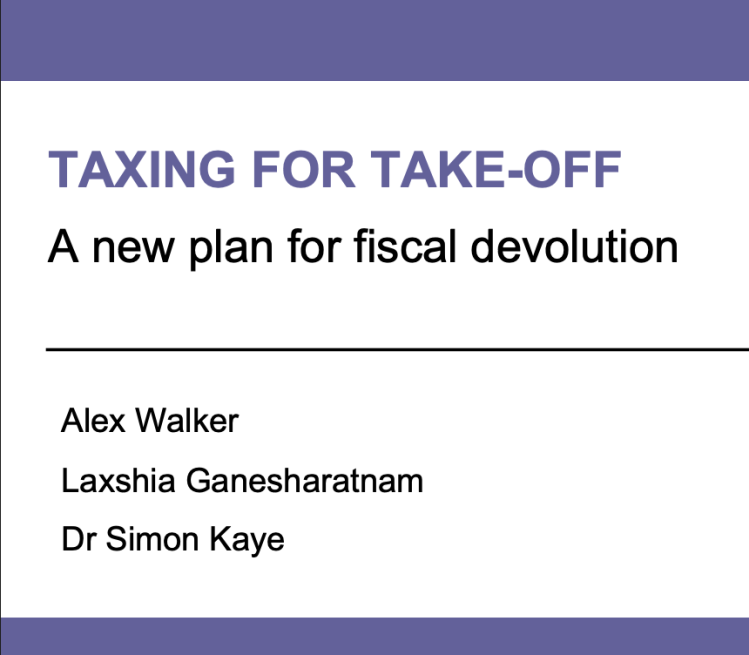
“Recommendation 6: Business rates should ultimately be replaced with a Land Value Tax,
with a similar model of 100 per cent retention for all MSAs within a broader redistributive
system, and heightened levels of local control.”
Above – Taxing for Takeoff (2026) slides 34/35
And as I’ve mentioned before, the case for a Land Value Tax has been around for over a century.
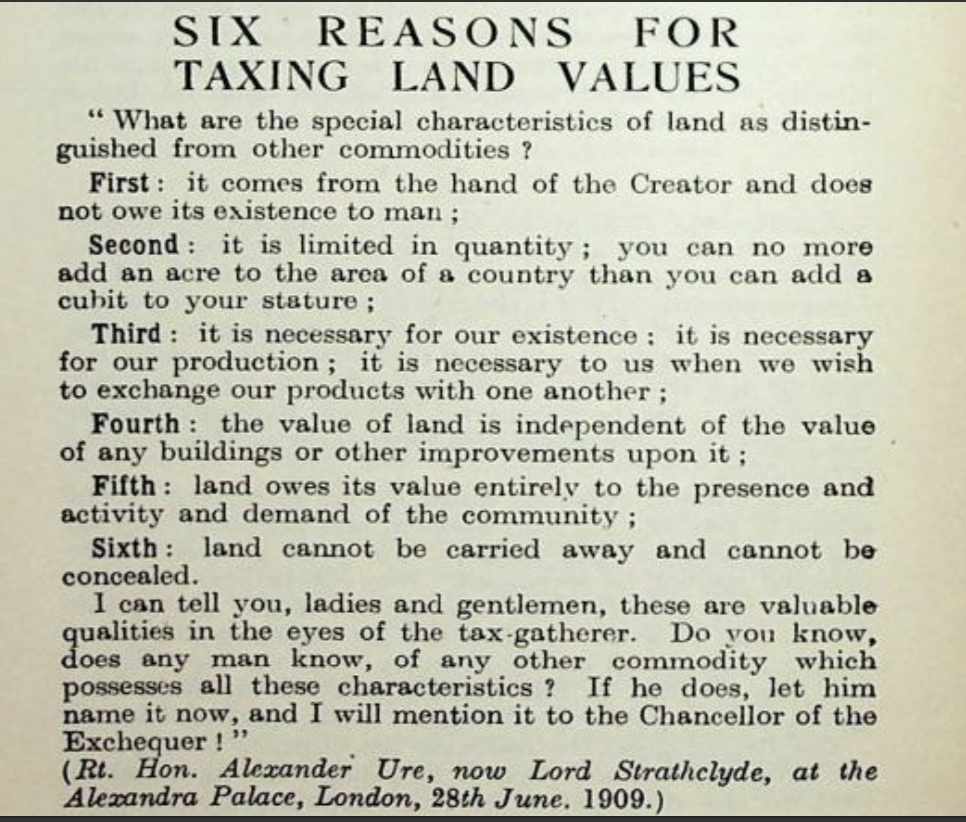
On the page following the above are a number of quotations attributed to the then Prime Minister and former Chancellor David Lloyd George. Following that the pamphlet concludes with the benefits to local government and the simplification of revenue collection.
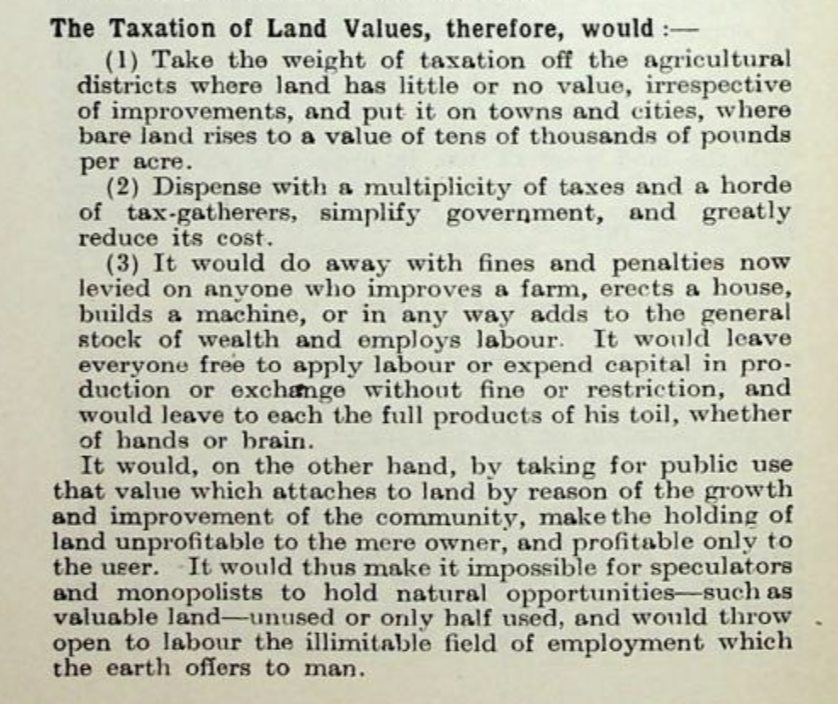
Above – House of Famine and the Land Blockade, p45
Strengthening the accountability systems of metro mayors
This is the area where Mr Burnham needs to get new policies on – via the Ministry of Housing, Communities and Local Government. The current system of having Overview and Scrutiny Committees doing the job with a handful of selected councillors from each component council does not work well – and also does not get nearly enough media coverage. Note that local media coverage is also a challenge in his ‘inbox’.
For those of you that missed it, see the Green Paper consultation titled:
Watch this space: a new strategic direction for UK media
I’m sure it was on my list of things to write about!
If you are interested in the longer term future of Cambridge, and on what happens at the local democracy meetings where decisions are made, feel free to:
- Follow me on BSky
- Spot me on LinkedIn
- Like my Facebook page
- Consider a small donation to help fund my continued research and reporting on local democracy in and around Cambridge.


