When a book from the olden days produced for children asks some very awkward questions of adults – and the ministers responsible for education in recent decades.
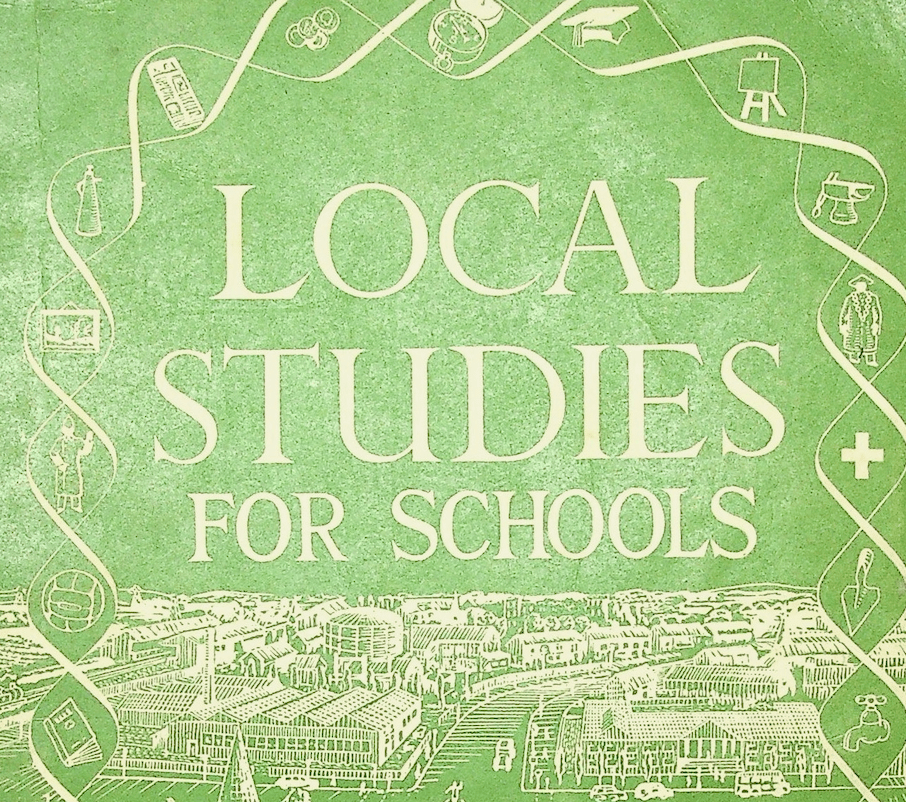
The publication is called ‘Local Studies for Schools’ and is an exercise book aimed at late primary / early secondary school children going by the content of the worksheets in the book and the questions it asks of the readers.
I have digitised the book here which was first published in 1949
Have a look at the contents and tables of projects below.
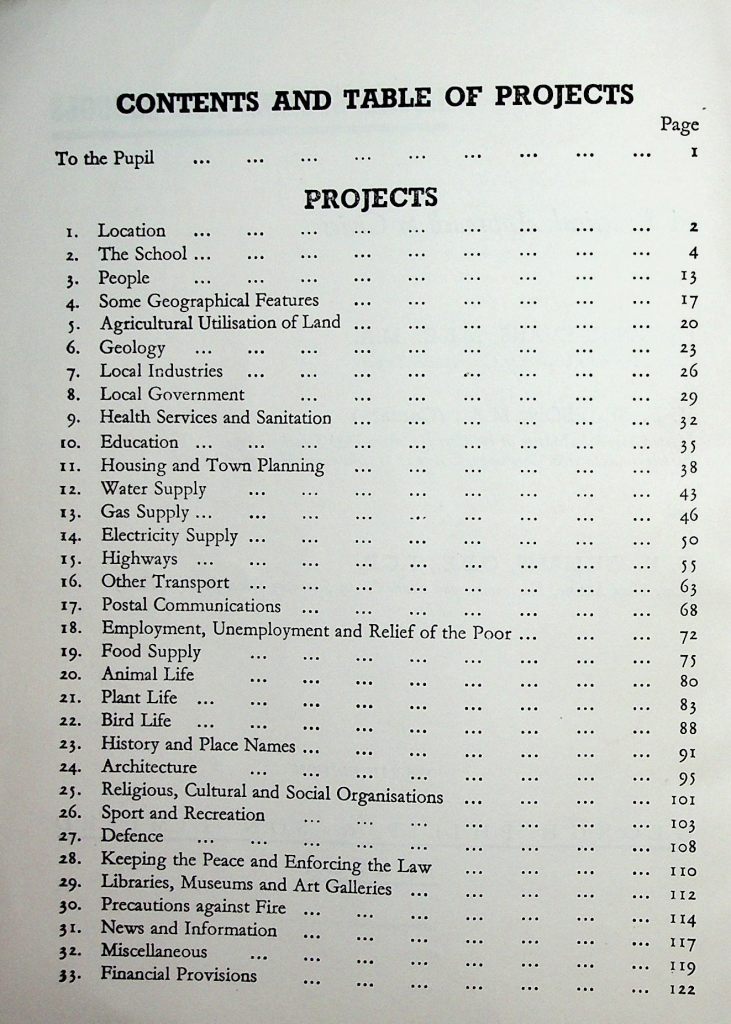
Above – Local Studies for Schools (1949) p3
For each chapter or project involving the human life of the place, how many of the above would you be able to:
- Name the institution primarily responsible in the chapter
- Point out where that institution is located geographically
- Name the person ‘in charge of’ the service it provides or the function it undertakes
- Name the people/group/committee/organisation that the person in charge in 3) is accountable to
- Find out more information about that institution to the extent you could contact it to raise an issue?
Hard, isn’t it? Let’s look at that list, with the ones the above applies to highlighted in bold italics
- Location
- The School
- People
- Some Geographical Features
- Agriculture
- Geology
- Local industries (think of the local large employers)
- Local government
- Health services and sanitation
- Education
- Housing and town planning
- Water supply
- Gas supply
- Electricity supply
- Highways
- Other transport (railways)
- Postal communications (think also your phone service/internet service supplier)
- Employment and unemployment/welfare state
- Food supply
- Animal life
- Plant life
- Bird life
- History and place names (Does your area have local history societies or local museums?)
- Architecture
- Religious, cultural, and social organisations
- Sport and recreation
- Defence
- Keeping the peace and enforcing the law (police and courts)
- Libraries, museums, and art galleries
- Precautions against fire
- News and information (Does your area have a local newspaper?)
- Miscellaneous
- Financial provisions
“Do we ***really*** need to know all of this stuff off by heart?”
No – and neither did the children of that age. if we’re honest. After all, when you look at the questions. some of them go into a level of micro-detail that is completely irrelevant to the lives the children are living. For example ‘the local rate’ – which is equivalent to asking what the average council tax bill is for a Band D payment.
It only becomes relevant when a child grows up, leaves school, and gets their own place to live. In which case should the question being asked be about:
- learning where to find out where the information can be found, and
- being able to work out whether the information provided is trustworthy / verifiable or not.
***They may have been scoundrels but at least you had heard of them!***
Reflecting the sign of the times and powers, the readers are asked to write down the names of:
- The Bishop of their county / diocese
- The Mayor of their borough (who in those days still had some legal functions – today civic mayors are almost entirely ceremonial)
- The Town Clerk (today the Chief Executive)
- The Medical Officer of the district/borough/county (These were the days when they had to present annual reports to their councils, which were a wealth of information such as these ones for Cambridge to 1972)
Along with these included
- The Chief Education Officer
- The Borough Engineer and Highways Surveyor
- The Electrical Engineer
- The Treasurer and Accountant
- Rating and Valuation Officer (for ‘The Rates’)
- Public Assistance Officer
- Chief Constable
- Probation Officer
- Librarian
- Chief Sanitary Inspector
- Tuberculosis Officer
- Area Officer of the Public Assistant Board
- Chief Officer of the Fire Brigade
- School Attendance Officer
- School Medical Officer
- Youth Club Organiser
- Inspector of Weights and Measures (Trading Standards)
- Chief Officer for the NSPCC
- Chief Officer for the RSPCA
- Any other Council or Public Officials
And that’s just for starters!
Each chapter has their own section which has more names and job titles to remember! Such as the chapter on Town Planning:
- The address of your local authority
- The Chairman of the Planning Committee
- The Chairman of the Housing Committee
- Where one can view The County Development Map (in the relatively early days of compulsory local development plans)
“What might a 21st Century version of this book be like?”
Other than being more visually engaging, the core of it should be about enabling the reader to know where to find the information and ascertain that it is true/accurate/up to date.
Furthermore, it should not need to be a memory test full of things that the readers won’t need to know later on in life. Or even in the lives they are currently living.
Ultimately though, completing a book like this should enable the reader to understand and even retell in their own words the story of their village/town/city/
Because stories are how we remember things and pass things down through the generations. It’s not through context-free lists. Which reminds me of how the former Regius Professor of History at the University of Cambridge, Prof Richard J Evans described Michael Gove’s attempts to overhaul history as a “list of patriotic stocking-fillers”.
On preserving old things and building new things of collective, civic value
This relates to the campaign from Humanise – which I’ve written about before. They have a campaign calling out the identikit ‘could be anywhere’ designs we’re seeing go up in so many places.

Above – Humanise asks: “Isn’t it time buildings and cities were more human?
Which explains their most recent publication aimed at Combined/Strategic Authority Mayors.
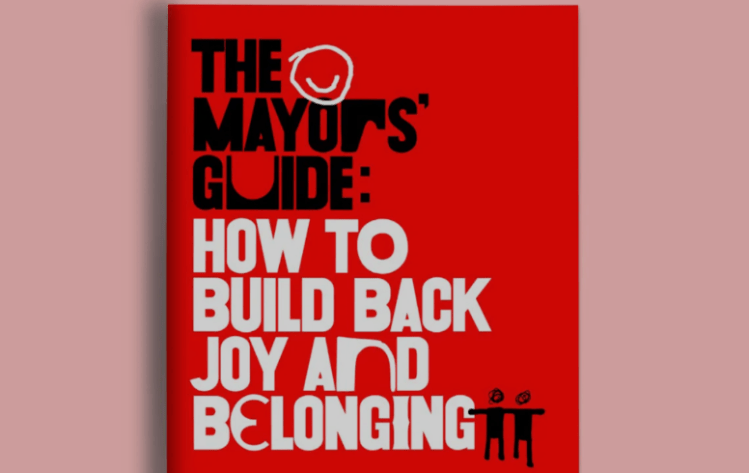
Above – The Mayor’s Guide: How to build back joy and belonging
You can download a copy of the guide here
If we carry on like we are, we risk a city full of glass and steel boxes. As their video points out.

Which reminds me:
The Future of Cambridge
I have a new landing page at https://cambridgetownowl.com/future-cambridge/
It’s where I’m organising the links to lists of blogposts and articles featuring the decision-making institutions that will decide the future of our city – in order to help local people influence those decisions. After all, the Minister for Housing stated that the new Greater Cambridge Development Corporation must facilitate this.
“[The Development Corporation] will be asked to create exemplary engagement structures to enable broader community participation, including from residents, community representatives, and town and parish councillors.”
Above – Matthew Pennycook MP, Minister for Housing and Planning to Parliament 08 July 2026
Keep an eye out for further announcements this autumn.
If you are interested in the longer term future of Cambridge, and on what happens at the local democracy meetings where decisions are made, feel free to:
- Follow me on BSky
- Spot me on LinkedIn
- Like my Facebook page
- Consider a small donation to help fund my continued research and reporting on local democracy in and around Cambridge


