My head is too frazzled to make sense of what’s actually in them but more than a few of you will be interested in their contents – reports that were uploaded yesterday
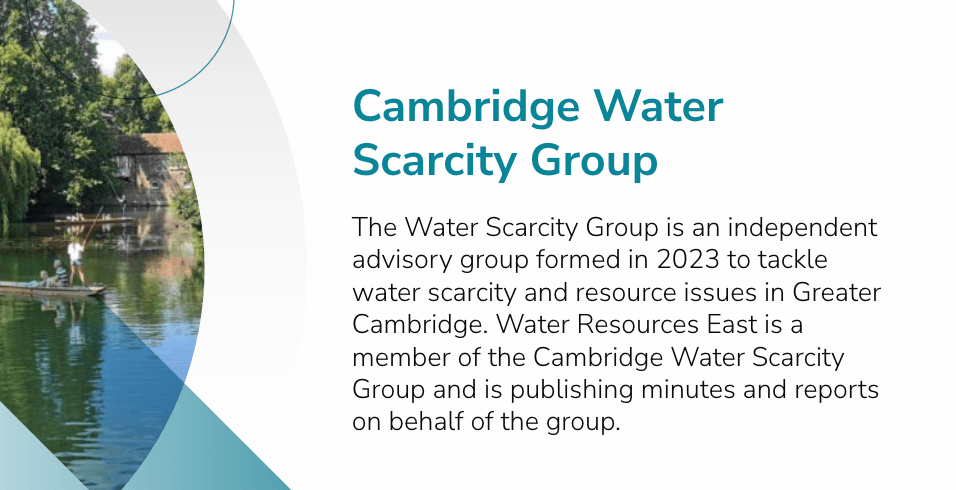
“The Water Scarcity Group is an independent advisory group formed in 2023 to tackle water scarcity and resource issues in Greater Cambridge. Water Resources East is a member of the Cambridge Water Scarcity Group and is publishing minutes and reports on behalf of the group.”
Above – Cambridge Water Scarcity Group – scroll to the foot of the page linked to find their reports and minutes from meetings earlier this year. The most recent one was from August 2026.
The reports are full of acronyms – have the explainer to hand before trying to make sense of them
In a nutshell this is university-and-beyond-level hydrology.
“Water for Cambridge: South Level [Internal Drainage Board] IDB Study – Catchment
Conceptualisation and Water Balance Assessment”
Above – one of the reports which involves looking up what Catchment Conceptualisation is
So I was sort of startled to find that back in 2008 some academics were wondering if it was too complex to attempt!
Above – Complicated Stuff from 2008
Actually, I came up with my own definition of figuring out whether something is ‘complex’ verses whether something is complicated’.
Something is complex by its nature. Hydrological systems, atmospheric systems – these are complex by their nature. For example trying to make sense of the hydrological systems of the Amazon Basin in South America is in a different league of complexity.
Something is complicated because humans made it to be that way – even though they do not have to be like that. For example the governance structures of Cambridgeshire are complicated because ministers decided that this is what they should be like. And successive governments have refrained from overhauling the system Redcliffe-Maud-style because of the time and effort involved – something that would not necessarily pay party political dividends later on down the line.
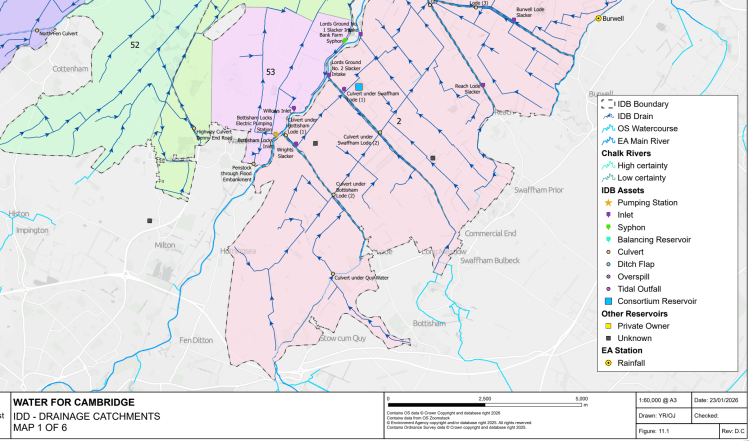
Above: Complex – Cambridgeshire’s internal drainage board, datamaps and illustrations of which are on pages 42-48 of Stantec’s report on Catchment Conceptualisation for the Cambridge Water Scarecity Group
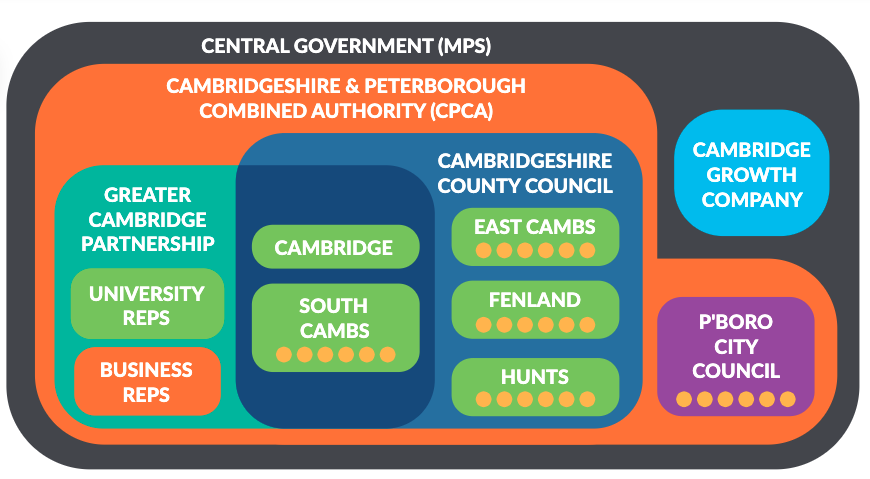
Above – complicated: the local governance structures of Cambridgeshire that successive government ministers created. Diagram by CamCycle
That might not look complicated but once you get into their working relationships and overlapping responsibilities, party political differences, and the dead hand of HM Treasury, you end up with a very messy picture.
“So, what does our water balance look like?”
Extra hard maths.
PIC = a weighted average of the individual pump capacities assumed to be operating on a given day. d is the depth of rainfall recorded on that day.
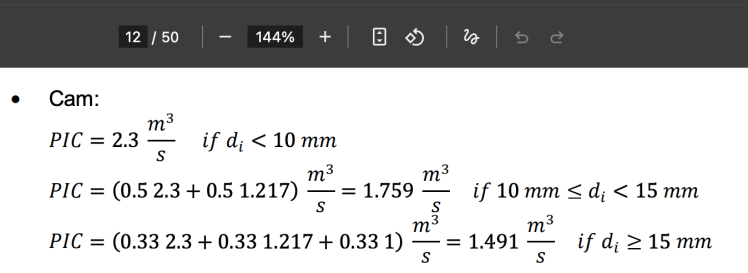
Above – weighted average of the individual pump capacities at the Cam/Waterbeach Level pumping station
Every single pumping station on the map below had to have their PICs worked out
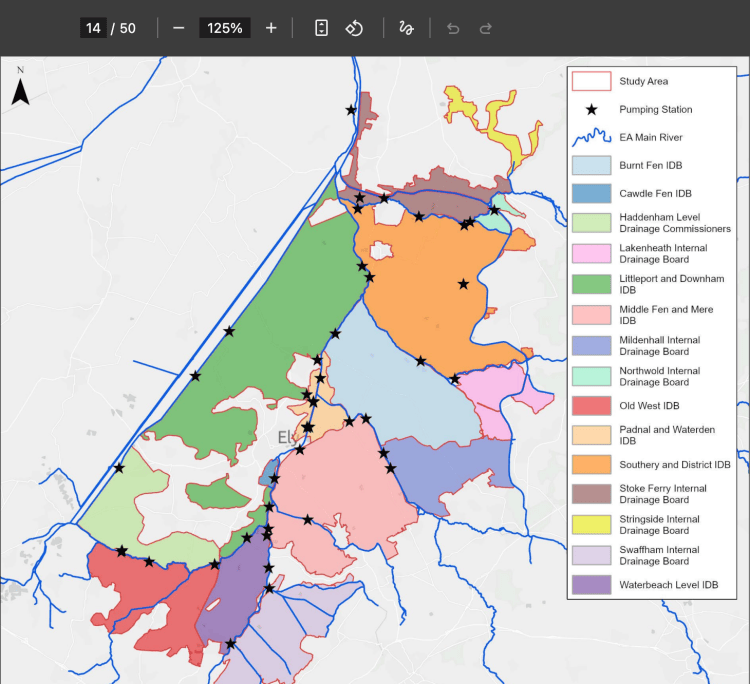
Above – Study area within the internal drainage boards north of Cambridge
“Why does the land north of Cambridge need internal drainage boards and all those expensive pumping stations?
Because the land would revert back to fens and wetlands, resulting in the loss of lots of Grade 1 agricultural land – amongst other things. That said, the climate emergency amongst other things means that there are now huge efforts to sustain what’s left of the natural fens/wetlands (less than 1% of the land in the area), as well as projects to re-wild areas used for intensive agriculture. Amongst other things the rewilding:
- creates natural stores of water that significantly reduce the risk of flooding, especially during periods of intense very heavy rain
- creates natural stores of water within the soil that reduces the risks of the wildfires that we saw reach unprecedented levels last summer
- slows surface-water-runoff and helps filter pollutants out of river systems.
Addressing water scarcity in Greater Cambridge
Ministers made the announcement in 2024 here
It still remains work in progress, with big decisions now in the hands of ministers because of Anglian-Water-related issues, including but not limited to the freezing of the proposed relocation of the Cambridge water works at Milton.
Options in the ‘optioneering report’
“The Grafham to Cambridge Pipeline, a strategic water supply project scheduled for completion post 2032, will not be available in the short term and cannot currently be considered as a feasible connection option.”
Above – Water for Cambridge: South Level IDB study (2026) p31
Which creates something of a challenge given the state of Cambridge’s groundwater at Gog Magog / Stapleford in the latest Government figures.
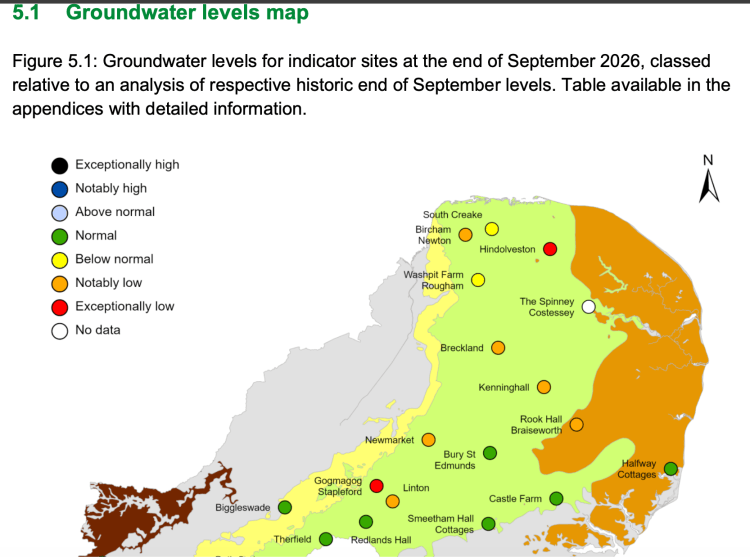
Above East Anglia water situation: September 2026 full report p15
Which is more than a little alarming.
Anyway, that’s about as much as my frazzled brain can take on a Friday evening. May catch up on Friday Night Comedy on Radio 4 which lampoons the previous week in politics. I don’t think I’ve got the stamina for an 11.30pm start for the Junction’s first Indie night in ages. (The School of Comedy Sharing at the same venue on Sunday evening looks like a safer bet given my age!)
If you are interested in the longer term future of Cambridge, and on what happens at the local democracy meetings where decisions are made, feel free to:
- Follow me on BSky
- Spot me on LinkedIn
- Like my Facebook page
- Consider a small donation to help fund my continued research and reporting on local democracy in and around Cambridge.


