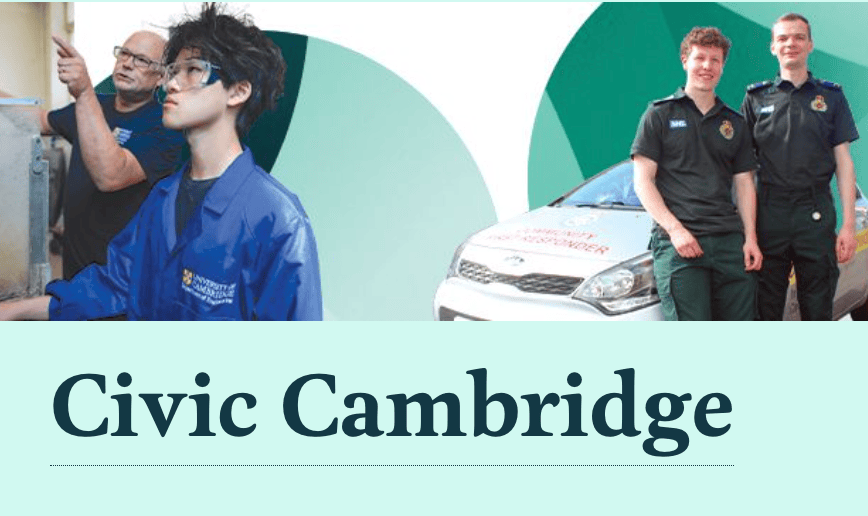
As well as Cambridge Citizens’ Founding Assembly at the Guildhall (see my previous blogpost), the University of Cambridge published its new video on civic engagement
Image: Detail from Civic Cambridge by the University of Cambridge
Above – Civic Engagement at Cambridge with Cambridge – and beyond too (because life does not come to a screeching halt at administrative boundaries). Also, compare the video above with the one made for the Cambridge Citizens’ Founding Assembly here
Before I start: The University of Cambridge’s Community Knowledge Incubator Fund – early notice
Some of you recall that I was appointed to the Community Engagement Advisory Board formed by the University of Cambridge last year. One of the responsibilities involves assessing applications for funding for the programmes that the University makes funding available for. (This was something I also did in my civil service days many many moons ago) Here’s what the previous cohort of applicants got involved in
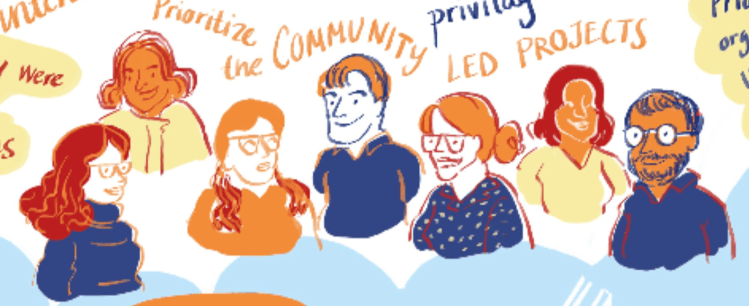
Above – some of the members of the Community Engagement Advisory Board illustrated
The Community Knowledge Incubator Fund – new round of applications invited
You can
The deadline for applications is 11 January 2027. The University is aiming for a final showcase event in June 2028.
The Civic Listening Report – University of Cambridge
When this report was published I stated that:
“If this succeeds, it could be as significant as the work of Eglantyne Jebb’s uncle Sir Richard Jebb MP who piloted the Cambridge University and Corporation Act 1894 through its Commons stages following the Daisy Hopkins Spinning House scandal.”
Above – CTO 22 October 2025 – Save the Children founder Eglantyne Jebb researched and wrote her own account of Cambridge in the early 20th Century, one which includes a canter through the history of the town in the 19th Century, which I transcribed here.

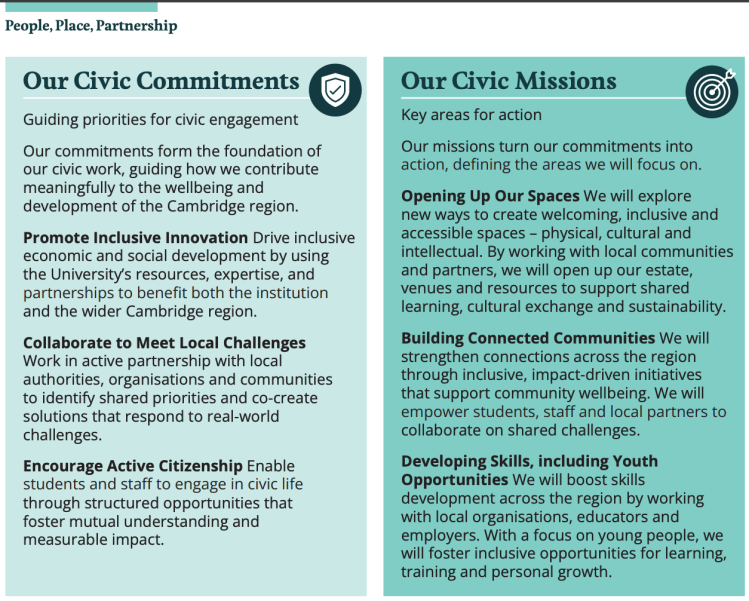
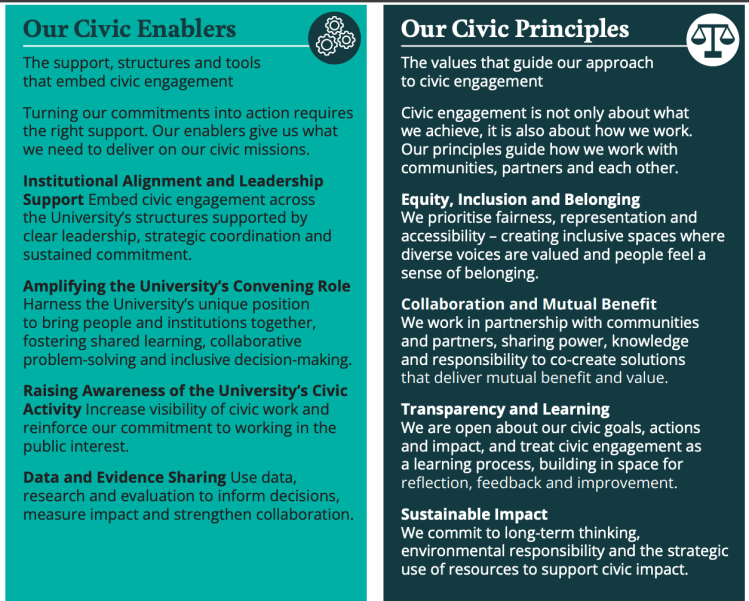
Above – the four components which are explained in more detail here and below
Then just as now, one of the duty’s of the University of Cambridge is to improve the city
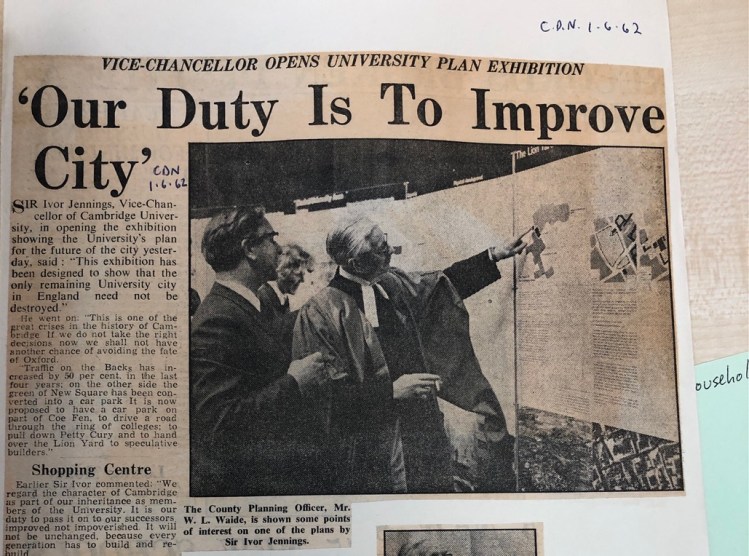
Above – Sir Ivor Jennings QC (in robes) with Mr Waide of the old, smaller Cambridgeshire County Council. From the Cambridge Daily News, 01 June 1962 in the Cambridgeshire Collection.
Civic engagement is meant to be challenging – and also satisfying when those huge challenges are overcome
That also means facing the setbacks, coming back for more, and becoming resilient in the process – which is easier said than done. Sometimes you just have to ‘do it’, take the hit when things don’t go right, learn from it, and move on.
Above – Empty Chairs events in Cambridge – I hosted one event earlier this week. My first. (Over 200 other grassroots events have been organised by 200+ individuals supporting this movement. And for some of them, no one turns up. Mine was one of them. Imagine being the volunteers’ organiser who has to respond to those people who had the same experience as mine!)
“You have to learn how to listen.
It’s not just a question of standing there with a clipboard and asking questions with the right look on your face.
You have to show up.
And stay around.
You have to let go of your assumptions and your biases and your agendas and your prejudices.
It’s really hard.“
Above – Michael Sheen (2017) Raymond Williams Annual Lecture
Two very specific challenges the University of Cambridge faces as it tries to get its students and researchers involved
The first is part of the nature of the institution: population turnover.
Most of their undergraduates are gone after three years. Therefore having a comprehensive system of inductions and succession planning is essential for the students. For example the Student Summit 2026 needs to become an annual or twice-yearly event (if only to maximise the number of students able to take part). At some stage part of that will need to include an induction on “This is how your city functions.” It’s something that could also be co-designed for and with further education students.
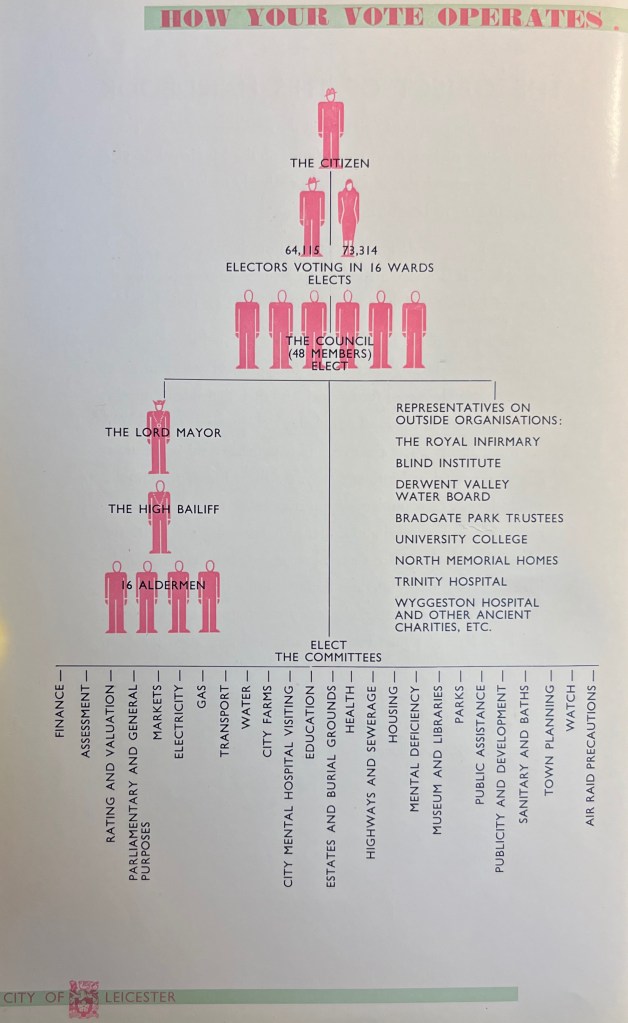

What would a guide like this for the people of Cambridge – town and gown, look like? (I also had a look at a similar guide for York published in 1928. Sadly Cambridge doesn’t seem to have an equivalent civic / public services guide from that interwar era)
The second – a more menacing challenge, is that Cambridge is now a target
One of the drivers is financial – a new sort of ‘Controversialists for clickb8’ model seen in operation as described by the Varsity Newspaper for Cambridge students here. And as we’ve seen, the institutions don’t seem to have an answer to the concerns from both students and residents.
Given the inequalities within our city – a reminder of which I spotted on my Li-feed earlier on, the last thing we need are those divisions being exploited further.
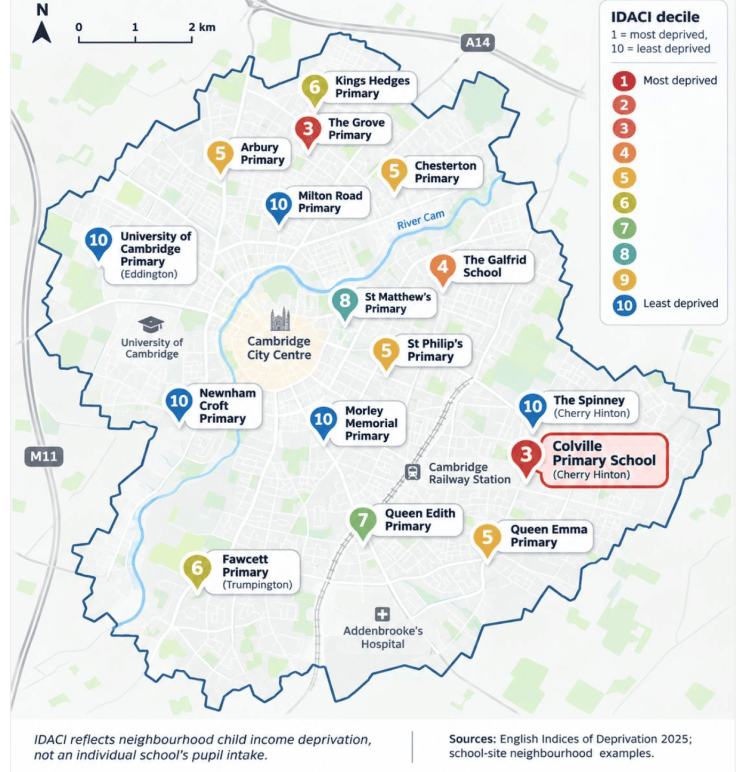
Above – from Hozefa Amijee on Li, 25 November 2026
If you are interested in the longer term future of Cambridge, and on what happens at the local democracy meetings where decisions are made, feel free to:
- Consider a small donation to help fund my continued research and reporting on local democracy in and around Cambridge
- Follow me on BSky
- Spot me on LinkedIn
- Like my Facebook page


