The historic market town of St Neots in Huntingdonshire, west of Cambridge held its Big Listen event recently
You can get the essentials at https://thebiglistenevent.com/

Above – have a listen to Alex Hughes on what he learnt here on IG
“We got 20,000 responses from the residents of the town. We’ve got:
- a clear visual map about what we love about our town already,
- what we want to improve, and
- what we want to see in the future.
Mr Hughes makes a really strong case for using that data set to share with developers and town planners in advance so they don’t have to do repeat short-term consultations that put huge burdens on local residents in processes that all too frequently are from investment firms located far away who have no interest in anything other than their bottom line. The most recent example being The Paddocks off Cherry Hinton Road. No one from the firm showed up – they employed a team of consultants from outside Cambridge which meant hardly anyone knew anything about the city. They just steam-rolled the proposals through. And when firms do that to a community, it rubs off on the rest of the sector.
But for the developers who are interested in working with local communities, making use of the larger data sets and having pre-prepared lists and proposals of what residents want both as:
- Improvements to the city
- New facilities for the city that we currently do not have
…might go a long way to ensuring financial contributions from developers can be collected for more tangible benefits for the majority of the residents – especially teenagers and young adults who have been having sand kicked in their faces since the banking crash nearly 20 years ago.
A single, discrete one day event would not work for much larger settlements such as Cambridge, but…
the method that St Neots developed would be interesting if applied to some of the larger villages and other small towns around Cambridge. That’s not to say everything happened on a single say in St Neots. It didn’t. Their event on 05 June was the culmination of a huge amount of preparatory work by the St Neots Citizen Hub.
“St Neots Citizen Hub – can Cambridge have one too?”
No
“Why not?”
Too many of the places several of us have asked about have turned us down outright or have priced out the groups that might otherwise be willing to set one up.
Above – the St Neots Citizen Hub
The agents for Hobson Street Cinema’s owner turned us down multiple times.

Above – the Planning Inspector turned down the owner’s bid to get the the 1930s Art Deco cinema demolished
Which reminds me – I need to ask for a progress update from the city council, and possibly ask the soon to be established Greater Cambridge Development Corporation to acquire this site.
Gathering the evidence base for the future of Cambridge
Remember the monster document library for the emerging Greater Cambridge Local Plan 2031-40? I wrote more than a few blogposts about it:
- The Lego competition for children (Who won what?)
- Cambridge Science Park North (on the other side of the A14)
- East West Rail and Cambourne
- A new large concert hall for Cambridge Airport site
But what we now need is a refresh of that document library because there were a host of reports that had not been published – including detailed ones on indoor leisure, sports, and culture. Note also that the Cambridge Science Park’s proposed expansion (that is *not* in the draft plan) says they will pay for the long-delayed Cambridge Sports Lakes.

Above – the proposed Green Loop (presumably an active travel link) would connect the CSP North (in the white blocks in the middle) to the long overdue Milton Rowing Lake.

Above – I wrote about the proposed rowing lakes back in 2021 here
Note what we were promised back in 2006

Above – from the Cambridgeshire Horizons Report 2006 – we’re still waiting for the latter two. (I wrote more back in September 2025 here)
We also have a huge lack of trust between residents and decision-makers – not helped by the fragmented public sector institutional structures
Furthermore, the rhetoric from ministers past and present, along with the large, wealthy institutions seen to be backing the dash for growth seem to have paid little attention to the day-to-day challenges that many residents on below-average incomes have. Not only that, the pricing out of residents who grew up in Cambridge but cannot afford to live here is something I’m noticing older residents are becoming increasingly (and understandably) bitter about. The only reason I haven’t been priced out of the city is because that option is too expensive – hence having boomeranged back to the house of Mum and Dad due to chronic ill-health, leaving me with a sense of any ‘personal development’ being in a permanent deep freeze for the past 15 years. It’s not fun.
We also have had the long term declining presence of local government. That’s something that needs to be reverse. I’m not a fan of the separate branding of things like the Business Improvement District scheme established by ministers. While the Cambridge BID does a lot on a shoestring, ultimately its existence represents major policy failures by ministers in central government that should have overhauled the local government funding system. Because the one we have in place was meant to be temporary following the Poll Tax riots and non-payment campaigns that brought down Margaret Thatcher. And 35 years is a very long time for a temporary measure to be in existence. For those of you who still call council tax ‘the rates’, have a look at this by the Local Government Information Unit from 1993. It explains the transition from ‘the rates’ to the poll tax/community charge to council tax.
A Cambridge Big Listen would need to be done at scale – and integrated with activities by other institutions
These include:
- Schools, in particular on their citizenship curricula (and something that Cambridge’s institutions should be commissioning and updating free resources for schools on an annual basis)
- Addenbrooke’s 3 and the wider preventative healthcare agenda which I wrote about here – this is now a big priority locally even though it will take time to get it built. Building hospitals often do.
- Creating a new adult education / lifelong earning offer that is not the fragmented offer we currently have. It has to be one that enables adults to learn about the functioning of the city that they live in – as part of the process of feeding back their opinions.
The last of those three can be incorporated into the skills agenda if ministers are imaginative enough
Let’s take this old book from half a century ago published by the BBC for trade unionists as part of their learning agenda.
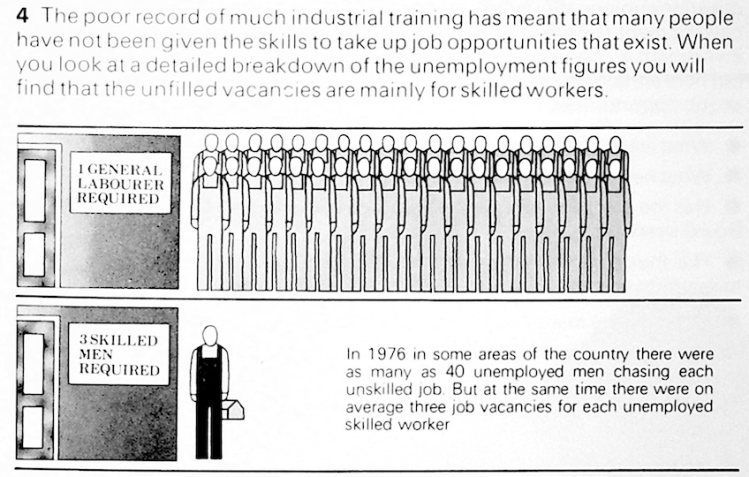
“The poor record of much industrial training has meant that many people have not been given the skills to take up job opportunities that exist. When you look at a detailed breakdown of the unemployment figures you will find that the unfilled vacancies are mainly for skilled workers.”
Above – Trade Union Studies (1976) British Broadcasting Corporation, p53
There was also a TV series to accompany it too. This page lists the programmes. Know anyone who might be able to digitise and upload the programmes?
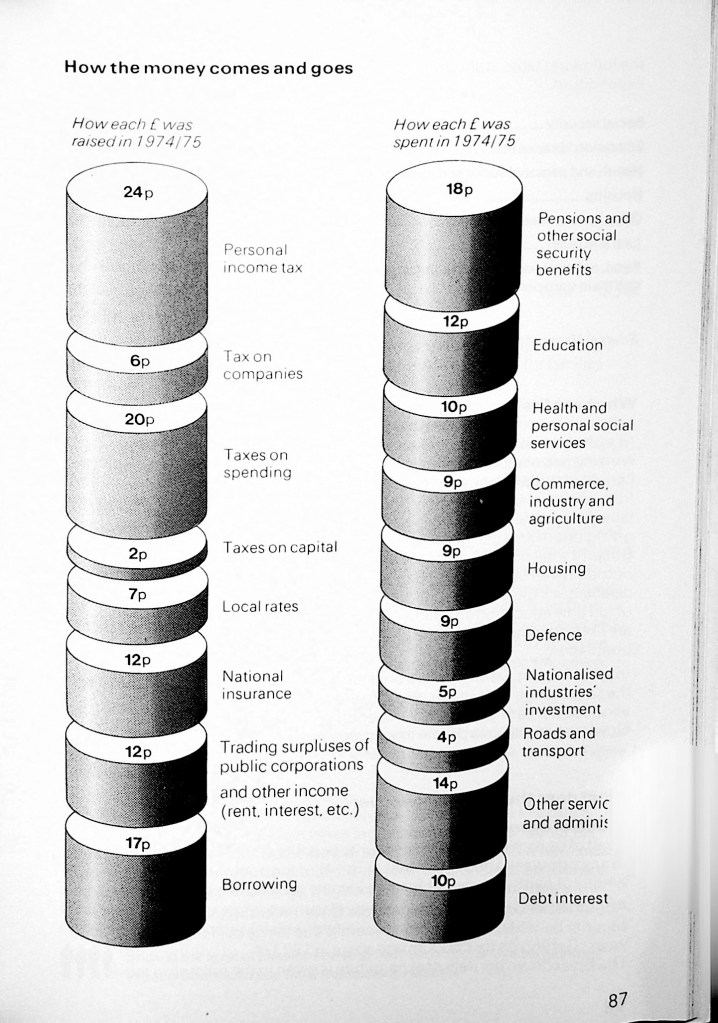
Above – Old Skool: Trade Union Studies – showing readers about the breakdown of government income, and government expenditure. My generation never covered this at school. And no I haven’t forgiven the ministers at the time for this! (It’s a neurodiversity thing)
For those of you who want some less dense guides on citizenship, civics, and local democracy, you can:
- Have a browse of digitised books from the early-mid 20th Century that cover the things existing books for adults do not
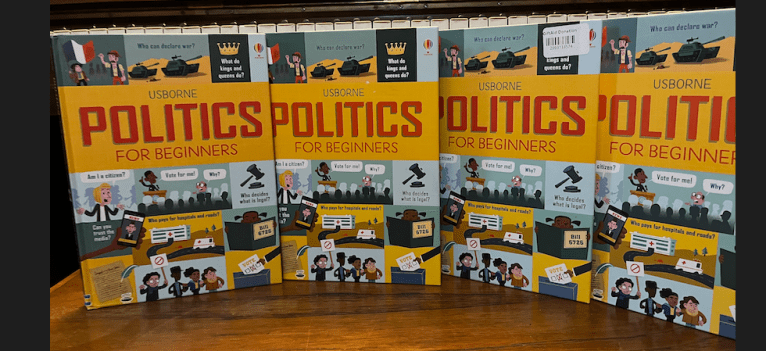
- Buy a copy of Politics for Beginners by Usborne if you want a really easy introduction
- Try the old Young Citizens Guide to Local Government or alternatively the Citizenship Foundation’s guide to the UK constitution
If you are feeling more bold, get one of the pre-loved GCSE Citizenship books – ones from the 2000s which have more on the EU rights we used to have.
And if you want to see what evening classes of old that covered civics and citizenship that were organised by the churches in the early-mid 20th Century, have a browse through the extracts of these guides that date from the 1920s-1960s by the old Adult School Union. These would make for ideal templates for present day courses.
“How long would getting a ‘Cambridge Big Listen’ take?”
Because of the local government restructuring, several years. And there’s no guarantee it would succeed either if national politics implodes in the run up to the 2029 general election. But we’ve got to try.
If you are interested in the longer term future of Cambridge, and on what happens at the local democracy meetings where decisions are made, feel free to:
- Consider a small donation to help fund my continued research and reporting on local democracy in and around Cambridge
- Follow me on BSky
- Spot me on LinkedIn
- Like my Facebook page


