
Sir Simon Rattle described the Stadthalle in Wuppertal as one of the best in the world. I can see why he said this.
(Image – from Music makes us one featuring the old Cambridge Festival’s logo from 1986)
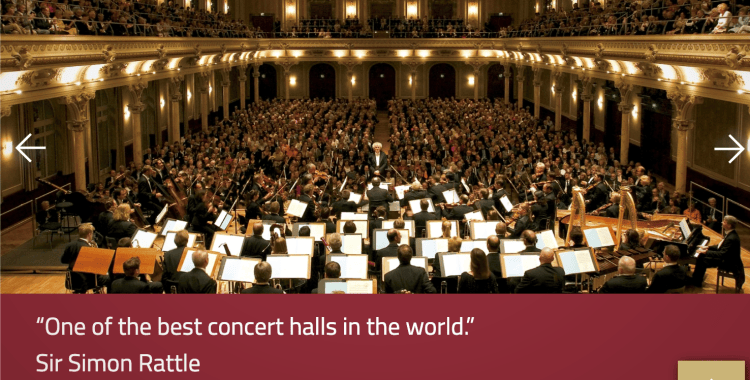
Above – Sir Simon Rattle on Stadthalle Wuppertal
Prof Mariana Mazzucato told Cambridge some home truths at the Cambridge Literary Festival on 21 November 2026
Because while I found myself nodding to pretty much everything she said – and wondering why she wasn’t one of my tutors during my years studying economics at university a quarter of a century ago (until realising that she too was 25 years younger!), we didn’t get to apply her thoughts to what was happening in Cambridge in the here and now.
This blogpost isn’t so much about a new concert hall as building the infrastructure needed to become the city it has the potential of becoming.
By that I mean that the future of our city is a highly-contested one. And for some that inevitably is the city being a cash cow to milk the wealth it creates to extract and export for the private benefit of a small few. Similar to what Prof Mazzucato described about the current economic structures of the global economy – in particular the pharmaceutical industry. (Which she said should be paying far more in taxes, and having far fewer tax breaks than it currently has – see her piece from 2014 in The Guardian, and also from her website here.)
The last time Cambridge faced a big decision on what to do with The Guildhall site, Florence Ada Keynes (AKA ‘The Mother of Modern Cambridge’) was scathing.

““It really is” added her Worship [Mayor Florence Ada Keynes], “a disgrace to the town. Now we are really up against a very urgent necessity.”
Above – Florence Ada Keynes, 22 September 1933 quoted in Lost Cambridge
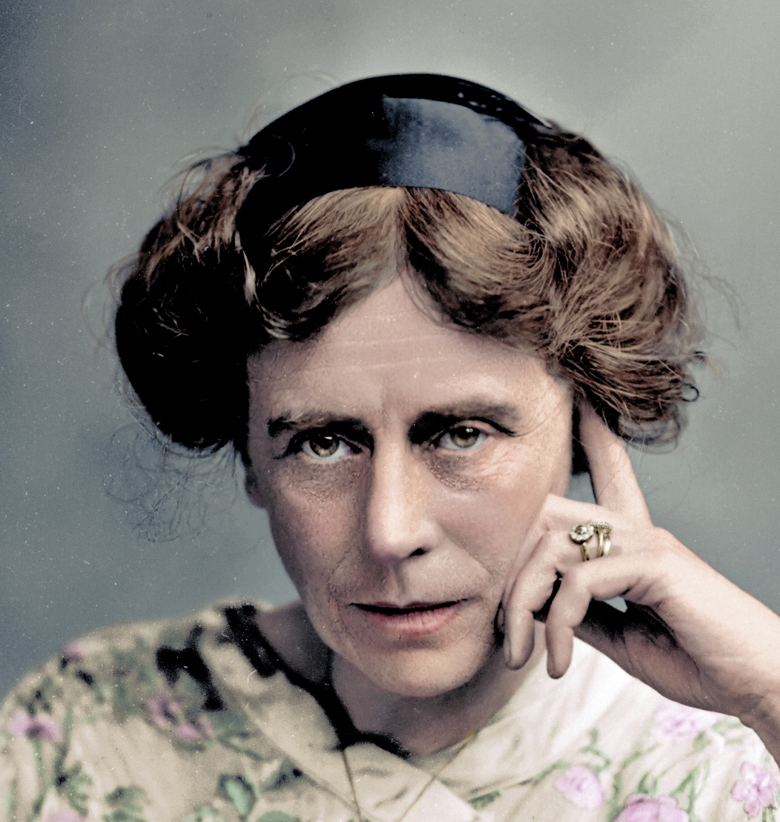
Above – Cllr Florence Ada Keynes (Ind – Fitzwilliam, 1914-1918) detail from Palmer Clark, in the Cambridgeshire Collection. Colourised by Nick Harris, commissioned by Antony Carpen.
Note her son wasn’t particularly impressed at the theatre offers in Cambridge in the same era, and like his mother he – John Maynard Keynes (yes, him) started cracking on with his own project – The Arts Theatre in Cambridge. In Maynard’s case, he faced down the opponents in his college (Kings) who didn’t want to pay for the theatre costs, so Maynard (a wealthy man by that time) paid for it out of his own funds.
Private philanthropy or taxpayer-subsidy?
I’ll save that for a future time – only to note that Rupert Brooke, a close friend of Maynard’s younger brother Sir Geoffrey Keynes, made a speech arguing for the latter in 1910 called Democracy and the Arts – transcribed by the latter. 31 years after making that speech in Cambridge, Maynard was appointed Chair of what is now the Arts Council.
Later this week the City Council and Combined Authority sign off some big decisions
- The Combined Authority Board meets on Wednesday 25 Nov 2026
- The Full Council of Cambridge City Council meets on 26 Nov 2026
The former signs off the local transport plan (which I wrote about here) and discussed the multiple in-depth State of the Region reports which I’ve tried to point people to here.
The latter signs off the Greater Cambridge Local Plan 2026 (which I wrote numerous responses to their evidence papers in the Future Cambridge page here).
*This City/Table is Yours to Draw (On)*
The Cambridge Room also continues with its series of events in the Grafton Centre, with another session on Wednesday asking:
“What do arts & culture look like in Cambridge? Where does it happen? We want to hear about the events you’ve discovered, the people you’ve met, the thing’s you’ve made and the dance floors you’ve shared.”
Above – Cambridge Room
It’s also got something listed for Citizen Friday, which as the last Friday of November I have known as Buy Nothing Day. The Brighton-based group The Go! Team wrote a catchy song about it.
“What did the Stadthalle remind you of?”
The sorts of events I was going to elsewhere some 20-25 years ago when Cambridge’s population was around 110,000. The population of the city is now over 150,000 and is still growing with the housing growth – but the infrastructure for arts, sports, culture, civic and social has not kept pace. In particular it has not kept pace on regional tier infrastructure – which is why the East Cambridge proposals for the Airport site and beyond will be critical for the future of the city.
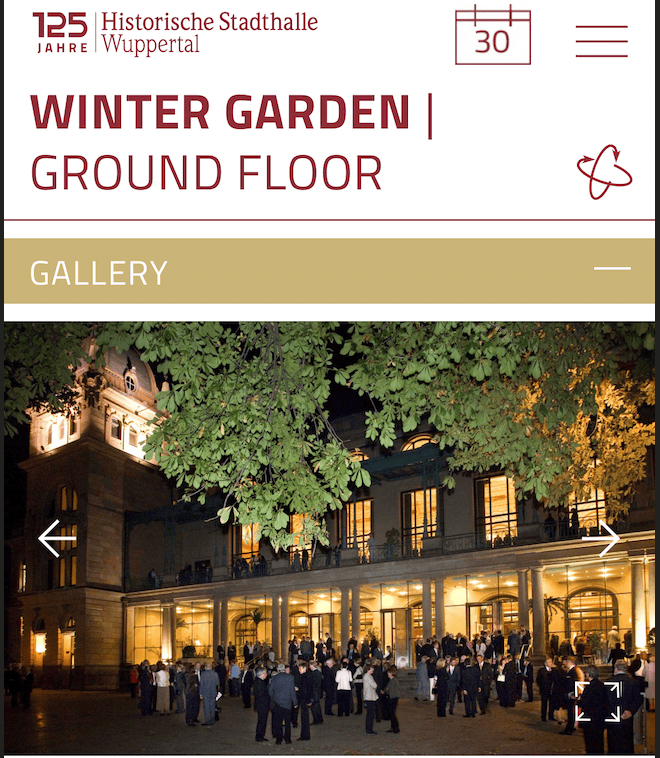
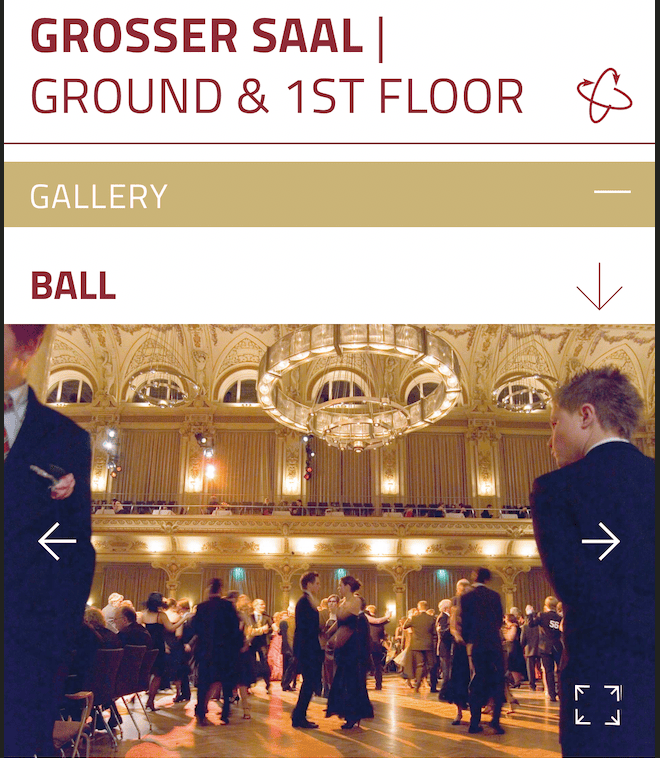
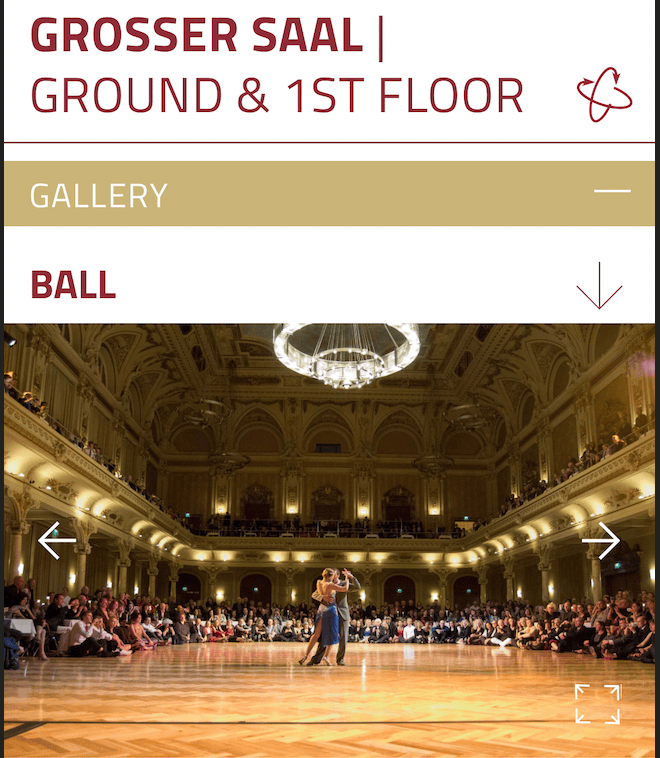
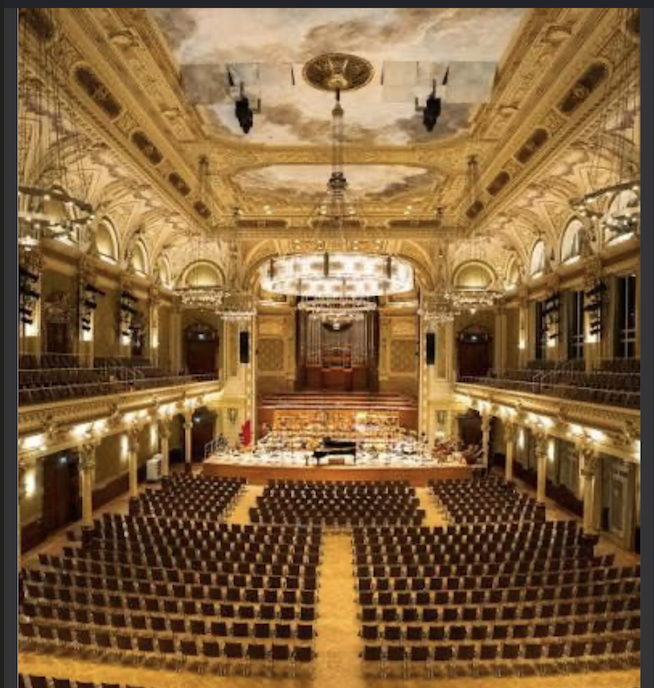
Above – images of Stadthalle Wuppertal’s main hall – can we have this too please?
Separating a concert hall from an arena
One of the conversations going on is about converting some of the large aircraft hangars into an arena complex
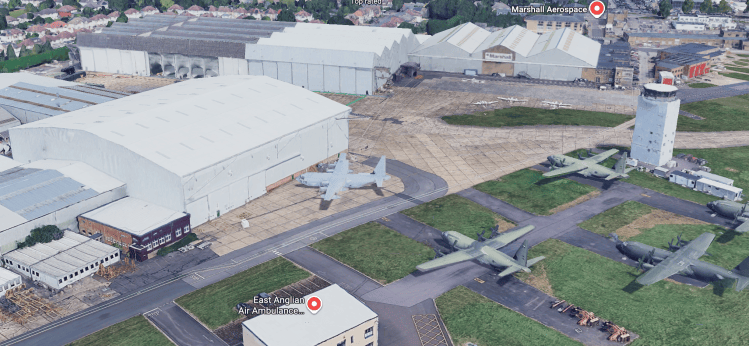
Above – which of these would make for a suitable indoor arena? Via G-Maps
This should be seen in the context of the Civic Quarter project because of the limitations to the capacity of the Cambridge Corn Exchange. While the proposals include improving the fire safety features which will allow standing capacity to 2,000, it’ll be a squish. Furthermore, councillors remain concerned at the proposed even higher prices (See Cllr Beth Gardiner-Smith in my previous blogpost). If Cambridge is to host large acts while keeping prices reasonably affordable, then it will need to look at something around the 5,000 capacity – and have a public transport system to serve it. In that sense it would function as a large exhibition and events arena rather than an ornate concert hall of the standard Sir Simon Rattle talks of.
Yes – Cambridge can have both. If it is ambitious enough for the people that make the city
Furthermore, the plan for both is in the Mayor’s Growth Plan for Cambridge. I wrote about this back in October 2025.
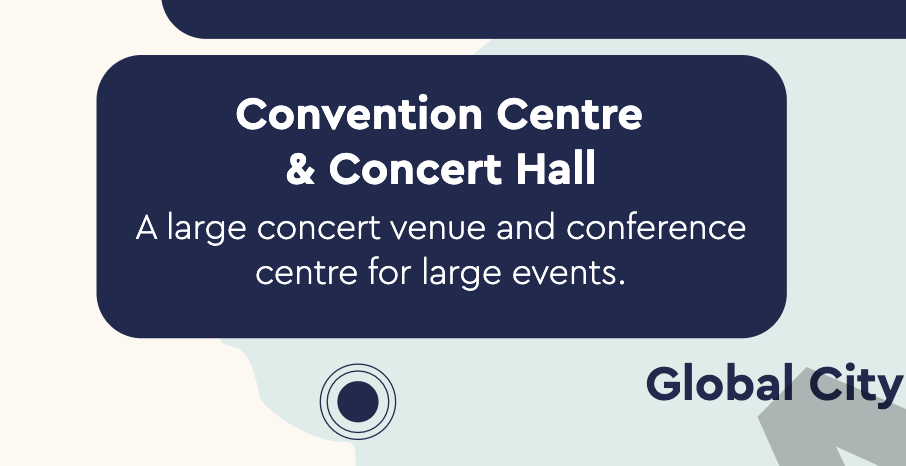
Above – the Local Growth Delivery Plan should be presented to the Board early 2027 according to the CPCA’s November Growth Committee meeting.
There is a lot more I want to write on the social infrastructure…
…and the neighbourhood-level community infrastructure needed to provide such regional tier things with firm foundations.
But it’s midnight at the time of typing.
As things stand, Cambridge does not have the social or civic infrastructure to support a new large concert hall of Sir Simon Rattle’s standard. We’ve made some progress in some areas, such as the launch of the CMP at the University of Cambridge back in 2021.
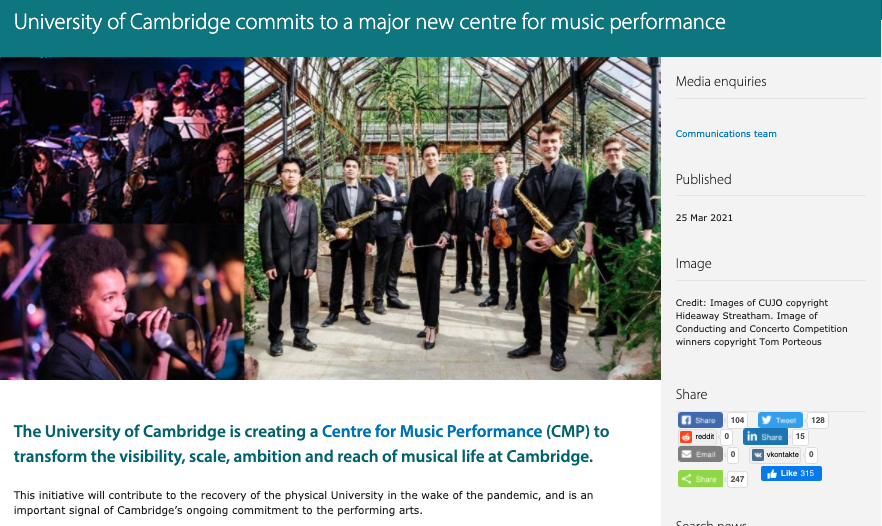
Above – the CMP launch in CTO 25 March 2021
My choice of location for the concert hall was originally by Parker’s Piece but it looks like this is going to become Cambridge University’s new innovation hub. Also at the time, Michael Gove had not published his ‘Supersize Cambridge’ plan and also there were no meaningful proposals to redevelop the airport site. A lot has happened in five years on paper – but nothing in terms of building!
In order to build strong foundations, we need to look back at what we had – as I did in August 2024 here in a piece titled Strengthening grassroots music making in Cambridge
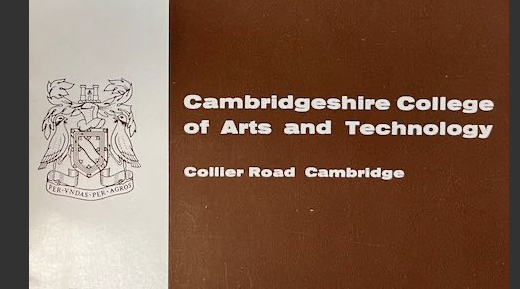
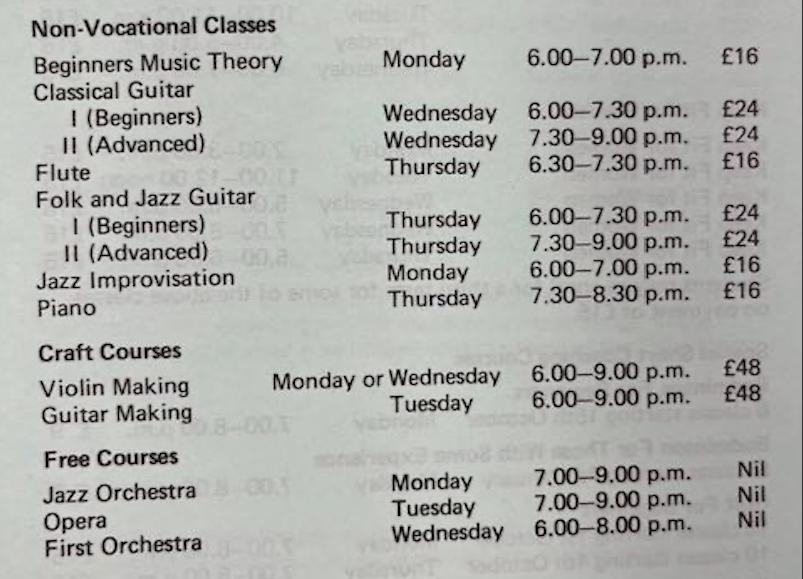
Above – CCAT Evening Class Catalogue detail from 1981 – from the Vertical File in the Cambridgeshire Collection C.36.7 vf
From my earlier blogpost, Cambridge no longer has routinely organised and co-ordinated civic programme of music learning for adults. We used to – as the coat of arms on the old CCAT brochure reflects (CCAT was dissolved and incorporated into what is now ARU in the 1980s in Thatcher’s restructure) the old Cambridgeshire County Council Coat of Arms.
But as I’ve found out the hard way, local politicians are not interested – as the Cambridge News reported here. Again, I think Cambridge should be aiming for better than simply what the Government says it’s prepared to give handouts for.

Above – An ideal adult education college – An example from Derby 1968
As I concluded last June (2026) Combined Authorities are not set up to deal with disconnection in society – even though their policy areas of local transport planning and adult education are ideal for dealing with it. Future Government policy developments may change this.
If you are interested in the longer term future of Cambridge, and on what happens at the local democracy meetings where decisions are made, feel free to:
- Consider a small donation to help fund my continued research and reporting on local democracy in and around Cambridge
- Follow me on BSky
- Spot me on LinkedIn
- Like my Facebook page


